Oorjjam- September newsdigest from the Rainmatter Foundation
ഊർജ്ജം (Oorjjam, Malayalam; English: Energy)
Greetings from the Rainmatter Foundation!
India faces a critical energy challenge: Despite our commitment to achieving net zero emissions by 2070, we remain heavily reliant on fossil fuels, which account for 75% of the greenhouse gas emissions. Additionally, India imports nearly 40% of its energy needs, making it vulnerable to global market fluctuations.
A climate-resilient future calls for a just and equitable energy transition. However, as India shifts towards renewable energy sources, we cannot do so without addressing the potential economic, ecological, and social impacts. At Rainmatter Foundation, we support organisations working to achieve net zero emissions and ensure this transition is just and equitable. By adopting a systems-thinking approach, we aim to identify and address potential blind spots that may arise during this transformation. The other critical aspect is looking at energy’s intersections and impact on a number of other verticals – livelihoods, biodiversity, economics, policy, etc. This article, for example, talks about the impact and future of DRE technologies in relation to rural livelihoods. So it is important to be mindful of the impact of renewable energy plants on the local biodiversity and habitat loss.
An important element of finding climate solutions in the space of energy is the collaborative work between non-profit, research organisations, as well as the private sector. In the space of energy, the foundation has been working closely with the consortium of Prayas/IITD/Princeton University on understanding and modelling the Net Zero Transition Pathways for India; while Rainmatter Capital has been supporting innovative, impactful work by organisations like Solar Square, Zodhya and Sunday Grids, among others.
Identifying energy as a crucial piece in the climate puzzle, we’re looking to move ahead collaboratively, working alongside think tanks, organisations, policymakers, and changemakers across diverse, intersectional fields.
Updates from the Foundation
We kicked September off with the Rainmatter and Zerodha teams coming together over a weekend for an insightufl catch-up at our new Jayanagar office. Hours of delving deep into our thesis, looking back on what we’ve learnt so far, and looking ahead on what work in the climate space looks for us came out of this. The need to learn from and collaborate with a diversity of partners in this journey emerged. We also managed to encapsulate some of our learnings and hope for the future in this short catch-up with the RF thesis heads.
Watch Rainmatter Reflections here, and let us know what you think!
Soon after the monthly catch-up, our teammates Sameer, Vikas and Akshatha, headed out on field visits across Madhya Pradesh. They saw the first-hand, the revival and rejuvenation of natural ecosystems by the community through Halma traditions, what community ownership means to communities themselves, how decentralised production methods can preserve traditional skills, and innovations can focus on sufficiency and not extraction. Many interactions with campuses, partners, organisations and industries followed. Read about this experience in detail in Akshatha’s wonderful blog post.
Our team continues to work closely with our partners across the field of climate, some of whose updates are listed below.
From the community
Since early this year, NCF has been running the Wonder of Birds course – a multimedia, free online course designed to inspire an appreciation of the beauty and significance of birds for all curious nature-lovers. This self-paced course has been taken by close to 8000 people so far, and continues to introduce many more people to the rich urban biodiversity surrounding them.
Gram Vikas joined as a Rainmatter partner last year. As they complete a year of association with us, we look back together on our shared journey and learnings. The overall objective of the programme is to ‘demonstrate community-managed climate resilience efforts in the Eastern Ghats region Odisha and Jharkhand, to influence State Government policies and actions’ through building communities’ capabilities to plan, design, implement and monitor activities related to reduce impacts of climate-related hazards and natural disasters, and enabling local governance system to adopt processes contributing to short-term and long-term climate resilience for rural communities. Read more here.
As Wayanad slowly rebuilds from the devastating landslides from July, HUME, Rainmatter’s partner, continues to play a critical role in equipping local communities to monitor and understand local climate variations that help in predicting landslides. The weather forecast model developed by HUME proved to be helpful during the landslides where it predicted heavy rains at least 16 hours earlier at the district level – information that was passed on to the Panchayat and helped many tribal settlements relocate in time. Watch their work, featured on scroll here.
Supported by the ClimateRise Alliance, Rainmatter partners Reap Benefit and SWMRT are adopting unique models of household awareness and training that are encouraging communities to be an integral part of climate action.
As part of National Wildlife Week, lantana elephants are travelling across the world, highlighting the urgency of human-animal coexistence. In Bangalore, visit Orion, Rajajinagar, Orion Uptown Mall, Forum Rex, Forum South Bangalore and Phoenix Mall of Asia to learn more about the initiative.
The Ecological Restoration Alliance is looking for someone who is passionate about community based ecological restoration to join as a manager for its Indigenous people and local communities (IPLC) desk. Registrations are also now open for restoration practitioners, conservationists and enthusiasts for the third edition of Restoring Natural Ecologies – ERA’s annual conference celebrating ecological restoration.
Opportunities and upcoming events
Climate-focused NGOs are at the forefront of environmental protection, but many lack the technological resources to maximise their impact. Meanwhile, skilled professionals and students eager to contribute to climate action often struggle to find meaningful ways to apply their expertise. Aikyam residency is a transformative 5-day program that brings together NGOs and skilled volunteers to co-create tech-driven solutions for climate action. They will collectively understand barriers faced by organisations working in climate action and which of those barriers can be meaningfully solved by leveraging technology. Apply here.
Indigenous voices are essential to creating a more equitable and sustainable future and there is an increasing need to get their voices into mainstream narrative and decision-making. Dialogue Earth’s, Indigenous voices fellowship program for Indigenous journalists, writers, and storytellers aims to spotlight and elevate issues vital to Indigenous communities throughout South Asia, Southeast Asia, Africa, and Latin America, as seen through the unique lens of Indigenous media professionals.
WCS is hiring a field intern for the Forest Owlet Project : More details here.
“New research based on remote sensing data by the Indian Institute of Remote Sensing (IIRS), Dehradun, whose scientists mapped land use and land cover changes (LULCC) in the western Himalayas from 1975 to 2015, reports a massive upsurge in urban areas in the ecologically fragile mountain systems, alongside a parallel forest decline”. The Western Himalayan Region (WHR) is under constant threat from LULCC due to urbanisation, agricultural expansion, and population growth, the IIRS study reports. Read more.
Parting shot
According to the World Economic Forum’s finding, climate impacts will cost healthcare systems a further US$1.1 trillion globally by 2050. The impact of climate change isn’t elsewhere; it’s felt in the here and now, affecting our physical and mental health, and culture. Are we willing to listen to the signs the planet is sending us? How do we brace for the future? Read more on Nature.com.
Until next time, may your roads be auspicious
śubhāste panthānaḥ santu
Tanmayi
Team Rainmatter Foundation
Sahābasthān – August newsdigest from Rainmatter Foundation
Greetings from the Rainmatter Foundation! It’s been a minute.
As I sit to write this, I grapple with mixed emotions. While I want to be elated to see how well our Sharing Cities campaign is being received, I come across a video of a wolf cub being bludgeoned to death in Uttar Pradesh. As we launch our first video of the “Living with…” series in collaboration with The Better India, the “Hula Party” in Bengal comes to light, which led to the killing of a pregnant elephant in Jhargram. Coexistence is a challenge in India, as in any part of the world. It is also crucial to build functional ecosystems and a nurturing relationship between human and non-human species, for the larger health of the planet. While we celebrate and learn from the many communities and organisations who continue to pave the way for tolerance and a shared landscape for all species, it is a long-winded path, navigated through meaningful collaboration, unlearning and reimagination.
Through Rainmatter, we continue to work closely with organisations who see the criticality of human-animal/ human-nature coexistence as a building block to the larger goal of functional ecosystems leading to climate change mitigation. The Gurukula Botanical Sanctuary has been a preservation site for some of the rarest plant species, and takes a community-led approach to promote the wellbeing and resilience of humans and non-humans through the School of Ecological Nurturance. They also partner with fellow Rainmatter partners like the Hume Centre for Ecology to work on issues of human-animal coexistence. Another partner, A Rocha India has been working with communities in the Bannerghatta – Hosur Landscape in urban Bangalore to understand their connection with their land and wildlife, and address the issue of human-elephant conflict through innovative solutions in the Bannerghatta National park.
The International Conference On Human-Elephant Conflict Management, hosted by the Karnataka Government and the Karnataka Forest Department on the occasion of World Elephant Day last month, came at a pertinent time. A number of Rainmatter partners like A Rocha, Vidhi, NCF and the Shola Trust were knowledge partners for the conference which focused on sharing learnings from research in the field, strengthening inter-state coordination, and bringing together different stakeholders, and will soon be publishing a charter on the way forward.
However, conflict is closer and takes more forms than we think. “What amounts to conflict?” Gerry Martin, from the Liana Trust brings up during our conversation with snake experts and handlers. How does misconception and misinformation impact highly misunderstood species like snakes, so often found close to human settlements? All the information and outreach materials under the Sharing Cities campaign are available to access and download here. As part of Rainmatter’s Conservation thesis, we continue to work through partners, consortiums and governing bodies to ensure better shared spaces for humans and non-humans.
Updates from the Foundation
Our team is growing! We’ve had to bid byes to a few of our teammates as they explore newer roles in the climate space, but we continue to be grateful for their tremendous contribution. In the last few months, we’ve been joined by other enthusiastic, passionate people looking to expand the scope of our work. Nayantara Lakshman joins Sid in Conservation, Akshata Narayan is exploring the Construction thesis, Sathya Shankaran will be heading the Urban vertical, Siddharth Lahri will take on quite a bit as part of the CEO’s office, and Sailee Rane is the latest addition to our team, passionate about Ecosystem Messaging.
The Odisha Sandbox (OS), a joint initiative of Rainmatter and the Socratus Foundation, is pioneering the execution of a place-based economy approach known as the Situated Economy. OS emerged from the urgent need to address complex climate challenges that require localised and integrated responses. A Situated Economy framework requires application of Ecosystem Thinking, which brings together the communities, the State, CSOs, systems agents, and local influencers to develop, test and mainstream different responses. Odisha’s unique landscapes, diverse communities, and frequent exposure to climate-related disasters make it an ideal testing ground for innovative solutions that blend ecological, economic, and community-driven approaches.
While under Energy vertical, we focus on working towards net zero emissions and Energy Transition Preparedness initiatives, on the Materials front, the focus is on promoting a circular economy with key chases around solutions for textile waste, awareness about materials and promoting reduction in consumption. To this end, the Rainmatter team and members from Saahas, Waste Impact, Oorja and others, joined Surbhi from the Materials Library in an insightful afternoon exploring materials and circularity.
Material Literacy workshop by Shubhi Sachan at the Rainmatter office
As Rainmatter’s Urban Thesis comes together, Sathya speaks to Madhav Pai, CEO, WRI India, on India’s road to net zero (Watch – Energy, Buildings, What else can cities do?). Under Rainmatter’s ESG framework, the aim is to enhance the Quality of Life in cities by tackling Scope 1, 2, and 3 emissions. We’re keen to build a solid network of partners and stakeholders to keep climate at the centre of the idea of growth.
From the Community
In the aftermath of the Wayanad landslides that happened at the beginning of August 2024, our partners Vidhi, CRA and ATREE are spearheading a group that is working together to respond to the draft notification of the Eco Sensitive Zone Areas (ESA).
Our partners, BuzzWomen and SWMRT are co-developing the ‘Our Waste, Our Responsibility’ module to strengthen their climate action curriculum and facilitate a healthy living environment for people working on field.
In August, The Locavore worked with Climate and Policy Lab to publish an interview with Dr. Ruth DeFries, a celebrated environmental geographer and the co-founding dean of Columbia Climate School. She also founded the Network for Conserving Central India (NCCI) which strives to make millets easier to grow, process and thereby eat, for local communities.
Gram Swabhiman session by Goonj in progress
Goonj’s Gram Swabhimaan fellowship team, in collaboration with Nature’s Club and Socratus, conducted a three-day workshop in the Kendrapara district for participants in preparation for taking the idea ahead in the 100 villages where they operate. The workshop was followed by on-ground training sessions in 11 villages within the Kendrapara district, with the Gram Vikas team also contributing to this initiative. This marked the successful completion of the six-month long Gram Swabhimaan fellowship.
Opportunities and upcoming events
The Bhoomi Network is organising The Children need nature conference, that aims to create a space for educators, parents, children, and educational pioneers to share research findings on the essential role of nature in our wellbeing
WRI’s flagship event, #ConnectKaro, happening on the 11th and 12th of September at the Habitat Centre in Delhi, features a diverse lineup of sessions. The two-day conference will explore themes like transformative urbanisation and green development, with sessions on climate action, clean energy transition, financing clean energy, food loss and waste, building healthy public spaces and streets, and much more.
RoundGlass Sustain is hiring: Associate, Marketing – Social Media and Community. Details here.
Civis is looking for Senior Associate, Governance role. Details here.
Parting shot
In India, a significant population of wildlife exists beyond our protected areas. Our communities have always shared their landscapes with their wild neighbours, and yet, this connect is being tested by ever increasing challenges. In these circumstances, adopting different approaches to coexistence is crucial. Here’s the story of Assam’s Hargila Army, a women-led conservation initiative to protect the greater adjutant stork.
Until next time, may your roads be auspicious
śubhāste panthānaḥ santu
Tanmayi
Team Rainmatter Foundation
Looking at ecosystems through a new lens, in conversation with Technology for Wildlife Foundation
As soon as Nandini suggests meeting at the mangroves, my first thought is to cycle down. The morning I set out though, Goa is 14°; which for Goa, is COLD. I’m pedalling through ear-numbing winds on a foggy morning, but the ride to the mangroves close to Mapusa is surreal nonetheless. The sun is just rising above the horizon by the river; winding slopes pass through brilliantly colourful homes that only make sense in Goa; and to my great relief, we stop for a quick cup of warm tea before we head out to our excursion.
Nandini is the Programme Manager at the Technology for Wildlife Foundation, a Goa-based conservation and research organisation working to ethically utilise tech to help solve conservation’s ever-growing challenges. Nancy, who heads Communications at the foundation accompanies her. They’re warm and greet me with broad smiles, and although I’m meeting them for the first time, I instantly feel like I’d like to see them again.
There is much about these species that is fascinating, as I discover walking along the bund surrounded by mangroves, along a narrow creek of the Mapusa river. Pockets of over sixteen species of mangroves exist across Goa, covering an area of roughly 2,200 hectares. In conditions where a lot of other species would have withered away, these shrubby trees have adapted to almost always being partially submerged in the nutrient-dense, salty swamps they grow in. They’re also capable of absorbing up to four times more carbon from the environment than even the healthiest forests anywhere on the planet. In many tropical flood-prone areas, they form the first line of defence, battling heavy winds and stormy waters.
Walking along the bund surrounded by mangroves, along a narrow creek of the Mapusa river
While mangroves in India would often be equated with the stunning Sunderbans, small and big mangrove forests exist across coastal regions throughout the country, supporting a diversity of living species as homes and means of living. In Goa itself, mangroves influence and are influenced by their complex interactions with other ecosystems, linear infrastructures and communities. Life without mangroves, that are increasingly losing ground to coastal development projects as well as the changing climate, can become very tough very quickly. A part of Tech for Wildlife’s work is to present these complex interconnections, integral associations and immediate threats through strong visual evidence to organisations, individuals, and decision makers that can take the story ahead.
We may have walked no more than 500 metres so far. During the high tide, the steady waters around serve as a fish nursery. A Brahmani kite takes flight, White-cheeked barbets flock a tree, and a kingfisher is perched on a branch further ahead. We’re hopeful of a glimpse of an otter, but it’s not our day. The same path further extends into a khazaan, an agricultural system unique to Goa, built on the indigenous knowledge of some of the earliest tribes.
A Brahminy kite takes flight
In one of their ongoing projects, Tech for Wildlife is helping chart a khazan map of Goa. Nandini recounts with surprise how they were unable to locate consolidated maps for a system that has existed for thousands of years.,. When we talk of preservation and restoration, how do we move ahead if we don’t know where we’re starting from? In these cases, they’re helping establish baseline data using cartography and spatial analysis skills as well as references from existing records and through collaborations with other organisations, to fill in the knowledge and resource gaps.
In documenting the marshy landscape that surrounds us, technology plays a different role. These waters pose real challenges, risks and limitations for surveyors, making the task resource and time intensive, while the findings may still not be accurate. Here, the team has been using a combination of drone and satellite imagery, to map and model their presence, and understand more about their extent and their role as carbon sinks. A lot of Tech for Wildlife’s work is experimental, strengthened with each experience as they navigate different challenges with the technology available.
Nandini flies the drone during our visit to the mangroves
The sun is up by the time we return from our walk, and the conversations continue at the roadside shack. Shashank Srinivasan, who founded the organisation in 2017, had an innate inclination towards cartography and robotics. He was also acutely aware of the need to take immediate and innovative action against the rapidly worsening impacts on the environment. These two interests combined in founding the organisation, and Nandini, fresh out of her Masters course, joined the one-person team soon after. “I was drawn to Shashank’s earnestness and his sense of urgency in wanting to do something, and to do it in the way he believed”, she reminisces. After Shashank’s sudden passing in 2023, the team continues to take their work ahead under Nandini’s direction. Tech for Wildlife’s is also a story of people being drawn together by trust, camaraderie and a shared vision.
The Tech For Wildlife Team, Jan 2023.
Technology cannot and should not be looked at as a be-all and end-all solution to climate and environmental concerns, Nandini reiterates. In fact, the more powerful the tool, the more important it becomes to understand its capacity to influence the environment and use it in a way that doesn’t interfere with, harm or otherwise disrupt the natural landscape. While studying the auditory sensitive gharials, for example, in the Gandak river in Bihar, the team had to be doubly cautious of the use of drones.
The organisation’s distinct view of landscapes and habitats, enabled by the use of tech, helps convey ecosystems and climate concerns from a perspective often unavailable to people. While looking at the crystallisations forming on the succulent leaves of mangroves holds its own kind of attraction, looking at the extent and diversity of our landscapes through drone vision hundreds of feet off the ground, opens up a whole new outlook. Their research has been utilised by organisations across the globe; at the same time, their data has played an important role in improving people’s understanding of their own habitats – like their contribution to documenting Goa’s natural landscapes – strengthening people’s sense of belonging and awareness, and encouraging collective action. The endeavour has been to make everything – the successes, losses, learnings, and resources freely accessible for everyone to learn from and adapt. Taking ahead these learnings is the work of artists, communicators, educators, storytellers. The edifice for these stories is built by the team at Tech for Wildlife. (Link: Understanding Mangrove Carbon, Science Gallery, Bangalore)
Micro view of the salt deposits on leaves v/s the aerial views of mangroves in Goa
Even without intending to, I am more attentive to the biodiversity I am surrounded by in the days following this morning. It would take me many more visits to fully grasp how rich and diverse the state is, but I am grateful for the introduction. Couple of days later I’m taking a cab to the Vasco Railway Station. The trip has been both immersive and whirlwind, in ways that I haven’t entirely comprehended. For now, I’m looking out of the cab, hoping to catch final glimpses of Goa to take back home. The breeze is still cool, like it has generously been for most part of this trip.
Along the NH66 Highway, a little ahead of Panjim, I see a stretch of mangroves along the road. These are nothing like the mangroves I saw the other morning though. The lush greens are replaced by a ghostly grey. I was told about this, but it is dismaying to encounter it nonetheless. The visual I carry with me is a humble and unfortunate reminder that ecosystems – resilient, enduring, adaptive- are still not indestructible. Everything, no matter how enduring, will invariably reach a breaking point; my hope and wish is that nothing is pushed to it.
If the future is Urban, how prepared are we to tackle climate challenges?
India is home to some of the world’s most populous cities with projected urbanisation figures standing at 43% of its population by the year 2035. The pace of urbanisation has brought along with it, the challenges of sustainability and the need to adapt and cope with the changing climate and the threats posed by it.
The IPCC Sixth Assessment Report warns of extreme weather events triggered by glacier melts resulting in flooding across the subcontinent, in the recent past, much of this has come true with poor urban planning and adaptation furthering the threat. Cities such as Chennai and Bangalore have been the latest additions to this list of flood-prone regions, with Mumbai and a few in the Northeast having been on the radar for more than a decade now.
India’s growing ambition to urbanise and catch up with the developed world requires us to plan and grow sustainably by paying heed to nature’s ecosystem boundaries and the identified commons. Most urban planning today is in conflict with this approach. Balancing both is seldom discussed, making it an urban planner’s nightmare.
Why are cities an important component of the climate fight?
Cities, by the neoliberal world order, are understood to be growth engines and aspirational hubs for upcoming generations to thrive in. As a result, cities today constitute for about half of the world’s population. The global greenhouse gas emissions attributed to cities, according to the World Bank, are said to be a whopping 70%, underlining them as the real-time carbon guzzlers.
Several studies over the years have clearly made a distinction between the per-capita consumption of carbon in low, middle and high-income countries and have noted specifically that developing nations such as India and others together contribute to less than 14% of the global, urban, carbon-dioxide emissions. It is now amply clear that the climate adaptation risks posed by the warming planet are being borne the most by low- and middle-income countries such as ours.
Many lower income countries such as India, Nepal and Bangladesh have all experienced severe heatwaves, flooding, water stress and dramatic cyclones and changes in weather patterns in their urban spaces. The projected figures for risk seem to be on the rise for these nations in comparison to those in the developed world. Indian cities in particular have seen a wave of catastrophic developments in the recent past – heat waves in Delhi and central India, flooding in the hill towns and metropolises down south caused by cloud bursts and the constant hurdle of poor air quality threatening the lives of millions, have all been issues attributed to the menace caused by global warming.
The changing patterns of climate and water distress in the rural areas has also added to an influx of urban-climate refugees; challenging the cities to plan and account for inclusive growth, a challenge that is at the forefront of planning and development of climate resilient cities today.
What’s missing?
One of the key things that occur to me, as far as Indian cities are concerned, is the aspect of ‘inclusive, local governance ’. The 74th Amendment Act constituted in the 90’s outlined the vision and mechanisms for ‘Urban Local Governance’ under the municipalities or the Urban Local Bodies. The adoption of city-centric adaptive mechanisms for climate resilience and sustainable expansion of a city is an important component that needs to be understood thoroughly and integrated into the planning architecture of a city.
Cities today are tasked to devise a Climate Action Plan that shall take into account the city’s overall consumption patterns of greenhouse gas emissions as well as the sustainable pathways for equitable and inclusive growth. The institutional capacities, particularly at the ULBs, to comply and adhere to this ambitious goal are lacking in its entirety. A recent report released by one of our partner organisations, Janaagraha Annual Survey of India’s City- Systems speaks at length regarding the administrative deficit and the need to revamp capacities to tackle climate-specific challenges.
The survey specifically talks about the financial challenges as well as the lag in addressing the vacancies affecting the functioning of the local governments. While comparing Indian cities to the rest of the world, the survey further builds a case for an increase in municipal staffing per lakh population. Bangalore and Mumbai have less than a 1,000 municipal personnel attending to per lakh population whereas in cities such as New York, this figure is five times higher, resulting in better managed city councils. Clearly, the challenges aren’t limited to the above and what cities today are up against is an evolving landscape of complexities that are dynamic in nature.
Excerpted from Janaagraha’s Annual Survey of India’s City-Systems 2023 report
At the Rainmatter Foundation, we believe that cities play a pivotal role in addressing the climate fight and are key game-changers in building sustainable pathways for growth in the country. In the last few years, we have pledged our support to multiple think-tanks, researchers, advocacy groups and individuals to plug into and identify these specific gaps in order to steer the narrative on cities towards a common agenda of sustainability.
Our learnings in the last few years have taught us that there is a dire need to collaborate across thematics and sectors concerning climate and sustainability in the cities to be able to make any significant impact on how we function in our urban spaces. In this process, we have distinctly felt the need to create coalitions that drive multi-faceted efforts that are ongoing and upcoming in this direction, to together build a momentum for sustainable cities, that are inclusive and equitable in nature.
By Aishwarya Sudhir
Observing World Fisheries Day with Dakshin Foundation
Fisheries play a vital role in providing food and livelihood security to millions in India, especially through small-scale fisheries. Today, World Fisheries Day, traces its roots to the small-scale fishworker movement and the birth of the World Forum of Fisher Peoples in 1997. At a time when the sector faces a multitude of challenges, including but not limited to overfishing, declining fish stocks, large-scale infrastructure development in coastal and riverine regions, reduced access to traditional fishing grounds, and the increasingly visible impacts of climate change in the form of extreme weather events and uncertainty, the observation of World Fisheries Day becomes quite pertinent. This day serves as a call to action, urging collaborative action towards practices promoting responsible fishing, protection of marine ecosystems and safeguarding the livelihoods and well-being of communities dependent on fisheries.
Over the years, the objectives of World Fisheries Day have evolved to incorporate and emphasise a broader understanding of sustainability, equity and their intersections with various environmental, social and economic factors. All these factors make the fisheries sector, especially small-scale fisheries, extremely vulnerable on multiple fronts. Notably, nearly 14% of the fisheries workforce in India comprises women, primarily engaged in post-harvest activities like fish vending, drying, and processing. It has also been recognised how climate change disproportionately impacts women, especially in marginalised communities. Recognizing and addressing gender-specific challenges in the fisheries sector is an integral aspect of the evolving scope of World Fisheries Day.
Rainmatter partner Dakshin Foundation, is dedicated to enhancing governance and participatory fisheries management while supporting the livelihoods of small-scale fishers and coastal communities through its Sustainable Fisheries Programme. The programme contributes to SeaChange, Dakshin’s integrated approach to systems-oriented and scalable pathways for thriving ecosystems and communities. The programme’s focus is on democratising knowledge, involving fishers in decision-making, and addressing data gaps to promote sustainability and ensure equitable resource access along the Indian coastline. They collaborate with diverse stakeholders, including fishers, government organisations, civil society groups, academics, researchers, and practitioners.
Presently, their work spans the Lakshadweep Islands, the Andaman & Nicobar Islands, as well as the coastal states of Maharashtra, Tamil Nadu, Odisha, and Karnataka. Their initiatives cover diverse themes, including community-based fisheries monitoring, fisheries co-management, documentation of traditional ecological knowledge and customary governance systems, investigation of reduction fisheries and their implications in India, and campaigns promoting responsible seafood consumption and diet diversification.
They collaboratively aim to develop a holistic understanding of fisheries across various sites in India through interdisciplinary research and create models of sustainable and participatory fisheries management through interventions that are appropriate for the local social and ecological contexts.
Understanding that human survival and ocean health are very closely linked, and that small-scale fishers have historically been custodians of the ocean is the first step of beginning to understand the importance and scope of fisheries in India. One way to be actively engaged in understanding this relationship more closely could be through joining local organisations for intertidal walks, beach cleanups, or taking part in in-water marine resource monitoring with dive institutions to develop a sense of stewardship and a deeper connection with oceans.
Another simple step is to follow the work of initiatives like Know Your Fish or InSeason Fish to understand what diverse, locally available and season-appropriate seafood you can consume to maintain the balance in marine ecosystems and promote culinary variety.
It is important to recognise that the sustainability of fisheries is not just an ecological concern but also a developmental one. Empowering fishing communities through culturally sensitive development is key to achieving healthy oceans and sustainable fisheries. World Fisheries Day serves as a call to action, urging collaborative action towards practices promoting responsible fishing, protection of marine ecosystems and safeguarding the livelihoods and well-being of communities dependent on fisheries. In a nutshell, World Fisheries Day in the Indian context, sparks a collective commitment to sustainable and equitable practices.
Read more on Dakshin’s work in Sustainable Fisheries –
Written with inputs from Dakshin’s Sustainable Fisheries Programme team.
Skrap: How one company is driving zero-waste, one event at a time
Skrap has grown to become one of India’s leading sustainability firms in the last couple of years – with a number of big events like the NH7 weekender, SBI Green Marathon (Mumbai) and waste managementat the IPL in Ahmedabad under their belt. In a chat we had with their team to get insights into our Zero-Waste Pledge, we were inspired by the impact they’ve been able to create, and how they continue to engage with and educate people at large events and organisations to significantly reduce their waste. Here is Skrap’s story in their own words, of how they’ve managed to help large events be fun and memorable without coming at a cost to the planet.
_______________________________________
Divya Ravichandran, the Founder and CEO of Skrap, is a music lover who has attended many music and cultural festivals in India. She never noticed the waste generated at events until a fire broke out in the Deonar dumping ground in Mumbai in 2016. That same year the government released the Solid Waste Management Rules, in which, for the first time ever, event organisers were required to manage their waste responsibly. Many organisers were not aware of the new Rules and others weren’t not sure how to implement them. This was a connection that Divya noticed and she devised a way to help them understand what they could do.
Before doing anything else, the first step that Skrap takes is waste audits to help organisers understand the data. Divya explains, “Event organisers would estimate they were generating 200 kgs of waste– when we showed them it was closer to 5000 kgs they were shocked, but it made them understand that zero or low waste management was vital. Our partners are always keen on doing the best they can, and that’s how we are able to create change.” This is why waste audits were so powerful– because they revealed real time information.
Data matters. When waste impact reports were shared with event organisers, it helped them understand how much waste they were generating.
Much of the work begins before the event itself. Skrap works extremely closely with their partners to look at venue layouts to ensure waste solutions are tailor-made i.e. to know exactly where the waste segregation stations would be placed, or where the waste sorting is going to happen, and where to send the waste after the event.
Trainings with the event stakeholders
Spoken Fest which began in 2019 in Mumbai, attracts thousands of fans every year. Skrap has been part of making the festival zero waste from the beginning– including reducing the amount of flex banners used, and encouraging decor made of upcycled materials. Last year, Skrap piloted reusable garbage bags at this event, reducing the need for single use plastic bags and will scale this initiative to other events as well.
Skrap wants to make the work inclusive. From their waste sorting partners, like Stree Mukti Sanghatana, to the housekeeping teams and food vendors at the event site, they make sure that everyone understands why they are implementing waste segregation and understands its impact.
The women from Stree Mukti Sanghatana are the backbone of these events
When people see social media posts or interact with Skrap at events, it helps them strike up conversation with Skrap, asking questions or explaining how the small steps have helped them on their zero waste journey.
Roshan Abbas, actor and co-founder of Spoken Fest says, “I don’t think event organisers realise how important being environmentally responsible is to participants now. To have 7,500 people who come to Spoken Fest realise the difference between what they are carrying to the festival in terms of single use plastic is amazing. They leave the festival knowing how to segregate their waste and why that’s so important. The posters, the interactions with the Skrap team really help the participants, and when we announced that 90% of the waste generated onsite was going to be recycled, that left people feeling really good.”
Caption: Roshan Abbas and Divya Ravichandran on stage
With over 150 zero waste events under its belt, Skrap has innovated many times, constantly improving after learning what could be done better. “We started with insisting on segregation at events, and even that was a challenge in 2016, but over the past few years, we have worked closely with our clients, and they want to push the envelope just as much as we do,” Divya explains.
After seeing lakhs of disposable plastic bottles being used at large events, Skrap piloted water refill stations at NH7. Now, the event team has eliminated over 80% of their plastic bottle waste by setting up zero waste water stations. When Skrap learned how much good food was just being thrown away, they decided to set up food donation systems as well. It’s not just plastic waste Skrap cares about– it’s anything that gets wasted.
Artists like T.M. Krishna and Raja Kumari supported the Reusable Cup programme
Skrap continues to push itself and the industry to be more creative on waste management. Skrap is one of the first organisations in India to introduce the Cup Reuse Initiative at NH7 and Bacardi Weekender in 2018 after noticing that plastic cups were being thrown away in the hundreds of thousands. They piloted the Cup Reuse program to encourage fans to reuse their cups at the festival. The festival added an economic incentive – a RS 50 discount on every drink when fans brought back their cups for a refill. Skrap hoped 10% of the attendees would participate in this– but at the end of the event– 70% of people reused their cups at least once.
A participant at the event even Tweeted about the programme, saying it was one of the most memorable parts of the festival for them, which helps organisers know that the effort they make on sustainability gets noticed.
“Most people want to do the right thing,” says Divya. “From our organising partners, to our team on ground, and of course people who come for the events– given the chance, they want to do better. Skrap is supporting that journey.”
By Sweta Daga, Skrap.
E-City’s inspiring ‘waste’ story
Waste is not easy
Waste is not an easy subject to deal with. It’s hardly pleasant either. We know. We agree.
Conversations ranging from the lack of infrastructure and the subsequent mismanagement of waste to upcoming innovative circular solutions and everything in between; and of course its impacts and intersections with the larger climate puzzle have increasingly been a focus at the Rainmatter Foundation. Yet, the more we reach out, the deeper we delve into these questions – from a sustainability, climate, rights, innovation, systems perspective – we’re both shocked and humbled by the magnitude of the problem, and the resilience of individuals and organisations working tirelessly to handle it.
An early morning auto ride takes me to Electronic City. This is unlike the landscape I’m used to in Bangalore; it’s an alternate cityscape. It’s instantly modern, sorted – a landscape with towering industries, and lives built around it. A lot of it is credited to the management by ELCITA. The Electronics City Industrial Township Authority (ELCITA) is Karnataka’s pioneering industrial township authority. Within its scope lies everything from overseeing the infrastructure demands of E-City to envisioning it as a futuristic city. I’m visiting ELCITA’s Material Recovery Facility with our partners, Saahas.
Set up in a 1.5 acre plot, the centre is managed by NEPRA, a waste management company based in Gujarat, and has been operational since January 2023. The expansion to add two more waste management centres is underway. Everyday, a whopping ~16 tonnes of waste from about 149 industries of the close to 200 in Electronic City comes to this centre. Of this, about six tonnes is food waste which is sent to the biogas plant (it really is six tonnes, we confirmed thrice). The dry waste mainly comprises packaging material, multi-layered plastic, food delivery boxes, tissues, etc.
The building is built as per the IGBC guidelines (a rating system developed to encourage designers to adopt concepts and principles to reduce the environmental impact of constructing new buildings) and runs on solar energy. The two existing centres currently employ about 70 people.
Stock of waste collected at ELCITA over two days
Waste is a long and winding road
Of the total waste collected ~70% is dry waste and ~30% wet. While ~70% comes in segregated, ~30% is mixed and needs to be sorted at the centre. After the waste is collected from the companies, it goes through a round of pre-segregation before going into the “trommel” – a large rotating drum that separates waste according to its density and size. The waste going into the trommel needs to be cleaned though, or it will mess up its functioning.
The trommel
Here comes the troubling part –
Before the waste is sent into the trommel, the women employed at the facility have to sort through and clean it by hand. Containers in which food is already starting to rot, biodegradable waste mixed with the rest, dirty packages – all because these weren’t rinsed or segregated before being thrown out. I remember once reading, ‘There is no “away”. Everything thrown ‘away’ goes somewhere’. Would we continue handling waste the same way if we knew its full implications? The truth is, the choices we make with our waste – what we buy, if we segregate, how we discard – has consequences beyond what we imagine. Yes, our systems are hardly perfect, but is there scope to do better in what is offered to us? This video that recently went viral brings to light the plight of waste pickers across Indian cities.
The manual pre-segregation process
Once out of the trommel, the waste is manually segregated into 38 categories on the belt. From whatever is left behind as ‘reject waste’, the employees comb through to find recyclable bits. Whatever is left then is, well, reject. But thanks to the thorough efforts by the employees, as little as 10% goes to the landfills as reject waste, while the remaining 90% is sent to the appropriate recycling centres. The multi-layer plastics go to cement factories, plastic bottles go to PET plants where these get made into buttons, thermocol packaging is melted to make pellets.
The cleaned, segregated waste goes into the baling machine category-wise and comes out as a tightly packed bales before it’s sent out. At the next recycling facility, a lot of these containers need to be washed again, making the recycling process resource intensive.
In the same premises is also a Sewage Treatment Plant which treats waste water from the residential areas around and then sells the recycled water to industries for gardening, etc. The sludge is sent for composting.
Bales of single-use plastic containers
No effort goes waste
The day before we visited the plant, ELCITA had won the Most Innovative Environmental Project award from the Confederation Of Indian Industry (CII). It has also found a way to bring in tech solutions to understand and handle waste better and to get accurate records and stats for all activities; like tracking waste collection vehicles for example, or figuring the waste patterns of different industries or understanding what forms major chunks of the waste, etc.
Despite ELCITA’s mammoth efforts, a number of issues remain to be addressed. While significant steps are taken in the direction of managing the waste produced, how can the patterns in larger industries be influenced to bring down the stock of waste generated. Daunting as it may seem, industries have managed to reduce their waste footprint with the right effort, intention and support. We’ve shared a few guidelines to get started here.
Organisations and large corporations, as industry and society leaders, have tremendous power to change the existing narratives and become responsible brands that invest in the future of people and the planet. With support from institutions like ELCITA and waste management partners like Saahas, Skrap, SWMRT, Hasirudala, Waste Warriors, etc., there is scope for meaningful, sustainable change, provided industries are willing to engage in the process and move ahead with trust and patience, and a little reimagination. This is our chance to rewrite what ‘business-as-usual’ may mean.
A case for Zero-Waste
In June, we initiated the Walking Lightly campaign, with people from all walks of life joining us in rethinking our relationship with our planet and how we could walk on it more mindfully and respectfully. It gave us the opportunity to delve into the stories of so many ordinary people doing extraordinary and valuable work in the space of waste management, and doing it in a way that has inspired others to follow suit. In the coming weeks, we will be featuring a few of these stories as a multi-part series.
This month also happens to be Plastic-Free July, an initiative of the Plastic Free Foundation that has encouraged thousands of individuals and organisations across the world to join the challenge. To kick off the series, we start with a basic question: Why go zero-waste?
Zero-waste is an approach that intends to prevent waste from going to landfills or accumulate in other natural ecosystems such as rivers and oceans. This is achieved through various means such as generating less waste or introducing circular loops (repair, reuse, repurpose, recycle) or better end-of-lifecycle strategies. Reducing the amount of waste we generate involves being mindful about the material aspects of our day-to-day life. This can be challenging because most of us are not conditioned to think about what and how much we are tossing into our bins. It takes patience, effort and constant rewiring to be cognizant of how much waste we are generating. If you think about it, the amount of waste that we generate and how it is handled today, comes at a very high cost to our environment, to our health and to those who are unable to better protect themselves from its impact. This is an incremental cost to our future, collective well-being (Watch this video from our latest podcast, The Climate Conversations, wherein Rainmatter’s founders talk about what these trade-offs and choices mean to them and why it is worth doing it nevertheless).
Single use containers are often lined with plastic making them difficult to recycle. They’re also not recycled unless not properly sorted, cleaned and sent to a recycling facility. Image source: Unsplash
The phrase ‘zero-waste’ may sound overwhelming, but adopting a zero-waste lifestyle is as much about the intention as it is about a proactive, mindful choice. The result may not be perfect, but a sincere effort in reducing waste is a worthy choice.
Wanting to go zero-waste doesn’t only mean rethinking what and how we consume, it also means realising and appreciating the intrinsic value of resources. It can mean being a “brand” that sets itself a higher benchmark – to do right by the planet, by the people and by its stakeholders. Embracing a zero-waste mindset also fuels innovation and encourages the development of new technologies and business models.
Grappling with complexity
Considering how severe the problem of ocean pollution has become, laws and policies have been put in place worldwide to prevent and clean up marine debris and pollutants. The UN has also included the reduction of marine pollution as part of Sustainable Development Goal 14, which focuses on improving life below water. Image: Naja Jenson, Unsplash.
The challenge of dealing with waste is a hugely complex one, having many intricacies that require a holistic approach. At the Rainmatter Foundation, our immediate response has been to support efforts in the management of waste i.e. after the waste has already been generated. But no matter the ground efforts by folks at Waste Warriors and Saahas (and numerous others of their ilk), we have to ask ourselves if it is possible to handle an ever-increasing amount of waste, much of which ends up in landfills? And what is the environmental and health cost of all this waste that we generate?
It then becomes apparent that we also need to invest in more circular loops as well as battle for low-waste and zero-waste strategies. If we reimagine production processes from a materiality and end-of-lifecycle perspective, we will be able to reduce the amount and quality of new waste generated. Our partner organisations Zerocircle and Infinity Box are reimagining the possibilities to deal with the problem of single-use packaging with a shift towards better choices and materiality.
Other aspects of deepening the impact in waste management include advocacy, awareness and education. This is where folks like SWMRT come in – they engage with our administrators, be they in our civic bodies or state governments, to get segregation-at-source kind of policy mandates, even as awareness through efforts like the Zero-Waste Pledge, composting and waste workshops, facilitation for low-waste events and offices help engage more and more people to champion this cause.
Starting from the start
Perhaps sustainability requires us to look back and look ahead in equal measure. Looking back at how people led their lives two generations before us can offer insights into simpler, mindful, low-waste choices in daily life. Yet we are acutely aware that our lives are structured differently from two decades ago with a bias for convenience-at-all-costs. So looking ahead would mean looking at innovative, end-to-end solutions and alternatives. Rainmatter partner Padcare cleans up non-biodegradable menstrual waste and converts those polymers into plastic-based products such as paver blocks and planters. We see such solutions i.e. at the intersection of both waste management as well as circularity, to be steps in the right direction.
Organisations like Saahas (working in Bangalore, Gurugram, Surat, Chennai, Hubballi and Ballari), Waste Warriors (dealing with the unique problems in the mountain ecosystems of Uttarakhand and Himachal Pradesh) and Fields of View that engage with everyone from residents to policymakers through creative initiatives like their waste management game ₹ubbish, are partners we are proud to support for their constant commitment to a better, cleaner and more equitable future.
A session of ₹ubbish facilitated by our partner Fields of View. Image via FoV
If you’ve come this far on this blog, we urge you to take a few more steps towards a zero-waste journey – with a few aspects that can help you get started.
Knowing our waste
Understanding what makes up the waste in your home and workplace can be a first step in working towards reducing and eliminating it. For example, are the food packages forming the larger chunk of waste at your home? Maybe next time take a short walk to the sandwich shop around the corner instead of ordering in. In a corporate space, where there is a comparatively large volume of waste to deal with, a waste audit can be a valuable tool. You can reach out to one of the many waste management agencies like Saahas Zero Waste, Hasirudala, SWMRT, Waste Warriors or Skrap for this. Waste audits can help an organisation make better decisions about waste (and allied cost) reduction instead of taking a shot-in-the-dark measures.
We start where we can
Composting prevents organic waste, which on average forms about 60% of domestic waste, from ending up in the landfills.
Often times waste reduction involves making small, simple choices. At work for example, bulk packaging can replace smaller sachets, printer settings can be changed to print on both sides, single-use plastic and paper cups can be replaced by reusable ceramic ones. Here’s a handy guide put together by Saahas that outlines the transition to low- and zero-waste office set-ups.
What are the small steps that matter at an individual level? Carrying our own water bottle and cutlery when we step out or using concentrated detergents and cleaners that can be diluted to last longer or starting to compost! Composting is also a fun activity to introduce to kids, and can be set up even in the smallest of spaces. Daily Dump composters are great to help you get started. There’s much more that we can all do if we start being mindful about the material choices of everyday life. Be creative and think where you would like to start from.
Segregation at source ensures proper disposal
Image: Nareeta Martin, Unsplash
For individuals and organisations, waste management starts at the level of waste segregation. This is a small step that leads to big results downstream. For instance, clean up your pizza box and keep it separately for recycling. In offices, the e-waste generated can be collected quarterly and then sent to an e-waste recycling centre. Here’s a comprehensive guide by the NITI Aayog that delves into the details.
Starting on this journey towards a low- and zero-waste goal comes with the inevitable possibility of lagging-off, getting it wrong or even feeling overburdened and discouraged. But we can tell you that after the first few steps, it actually gets easier. As with anything else, in our homes and workspaces too, it takes time for the processes to fall in place. Then it’s just a matter of sticking to them. The important thing is we encourage each other to keep going, and if derailed, to get back on track.
We are in this together
When we think of better solutions, it makes sense to work together. Collaborative action is indispensable to waste management. Sourcing items in environmentally friendly packaging, making them last, disposing off them well, managing food waste, demanding for a change in production patterns towards a circular economy – there’s much that each one of us can add to the list. But these alternatives will become mainstream, better priced and more accessible only as the demand, investment and support for these grows in tandem.
A clean-up session organised by our waste management partners Waste Warriors working in the Indian Himalayas. Image via Waste Warriors
Sharing the knowledge
Different things work for different people, and the starting point varies for each of us. If there’s something you know, speak to your coworker, your management, your friends and family. Different landscapes, households, organisations, companies will have different requirements, and some real constraints too. Like we mentioned earlier, zero-waste is an intention as much as it is a practice. When we’re on the same page in terms of our bigger goals, we can be more mindful of making better choices when the opportunity presents itself.
Kudos to the Rainmatter partners for always being open and more than willing to share the best practices from their own learnings. All of our collated waste management resources will soon be openly accessible to all. These include alternatives, suggestions, and services that can help you get started on or further your low-waste journey.
Civis: As a citizen, you can help create climate laws
Rainmatter partner Civis recently launched the Climate Voices handbook. The foundation had supported Civis to create, publish and disseminate the handbook, that would be a how-to guide on environmental public consultation. Here is Civis’ story, their endeavour to make the voices of common people heard in environmental regulation through pre-legislative public consultation, and the relevance of the new Climate Voices handbook – an open-access how-to guide on environment legislation that can help different communities and stakeholders play an active role shaping our climate policies, by team Civis.
We often hear that collective action will play a significant role in addressing grappling climate issues. But did you know that this collective action can also extend to making laws and policies?
Climate policies shape the trajectory of our planet’s future and affect the lives of every citizen. Yet, amid this urgency to address the global crisis, we often overlook a crucial aspect – the power of citizen participation in the making of environmental laws and policies. A transformative potential lies within every citizen and it is essential for us to understand why engaging with policy makers is an opportunity to shape a sustainable future for generations to come.
One of the ways in which this engagement occurs is by participating in public consultations published by government departments and ministries before a law is finalised. Public consultation is a process of gathering feedback, opinions and suggestions from the general public on proposed laws, policies, projects and other vital issues. This process can help increase transparency and ensure that government is responsive to people’s needs and aspirations. They can be held through public hearings, surveys, focus group discussions and virtual platforms. They can be initiated by government bodies such as ministries, departments and regulatory authorities, as well as civil society organisations.
We, at Civis, work in this very area of facilitating effective dialogue between governments and citizens on draft laws and policies to ensure views and interests of citizens are given due regard in this process.
Founded in 2018, Civis has facilitated public consultations on 390+ draft laws helping over 16000+ citizens from 705+ Indian cities give their feedback and contribute to the lawmaking process. We strongly believe that the process of law making should reflect the views and interests of those who the law affects the most, i.e. citizens. For this, it is important for lawmakers to engage with citizens in the decision making process to ensure the resultant laws are inclusive and foster a sense of community ownership and legitimacy.
Civis and the Rainmatter Foundation recently published Climate Voices, a handbook in five languages, that citizens like you and me can use to participate in public consultations for environment and climate related laws.
Having conducted extensive public consultations in the environment domain, we observed various trends in citizen engagement over the years. While it was important to spread awareness on an individual’s ability to participate in public consultations, equipping them with the tools to effectively communicate their feedback emerged as a pivotal one. This is where the idea of Climate Voices was born.
The complexity of our climate crises demands diverse perspectives and ideas. The public consultation process allows all kinds of stakeholders to give feedback. Be it someone from marginalised communities directly affected by climate change or even subject matter experts – both groups are given a platform to offer nuanced insights that have the potential to enrich the decision making process. An example of this would be the experiences of fisher folk in Thoothoor village in southern India practising traditional and sustainable methods of shark fishing. While policies were framed for the conservation of certain sharks, not engaging with them before framing the said policy proved detrimental to their livelihood.
It is also pertinent to note that though climate change affects everyone, its impact is not equally distributed. Some vulnerable communities and citizen groups are disproportionately affected by environmental degradation. We hope that through this process of participatory lawmaking, climate policies are catered to address these disparities and prioritise social and environmental justice.
Understanding the importance of engaging in meaningful dialogue, we included actionable information in the Climate Voices handbook on how citizens can incorporate their valuable insights that policy makers may otherwise overlook. The handbook also explores what qualifies as quality feedback that can help provide context to issues being legislated upon. It further delves into the roles that civil society organisations and media play in helping citizens understand and participate in public consultations.
Participatory lawmaking as a concept was formalised 9 years ago by the Pre-Legislative Consultation Policy 2014, and hence public consultations as a mode of citizen engagement is still developing. The essence of democracy is built on the voices of active citizens and our hope is that this Climate Voices handbook proves to be an essential tool in this process.
Climate Voices is available in five languages – English, Hindi, Marathi, Kannada and Tamil and can be downloaded on your phone by sending a WhatsApp message ‘climate’ to 8976926914.
–
Anusree U and Shonottra Kumar
Anusree is an Associate and Shonottra is a Senior Associate from Outreach and Communications at Civis.vote.
Slam Out Loud: Climate Action through Art
Imagine yourself walking in nature on a beautiful morning – the bright golden sun peeking through the mountains, a river dancing to its tune, a meandering road leading to a house surrounded by lush green trees. What does this remind you of? It’s one of the first artworks we learnt to draw as children – a scenery. The form may have varied from child to child but this drawing is a memory that is universal in its nature, and nostalgic. It is a powerful representation of the world we imagine for ourselves and our children alike.
Our connection to nature starts when we are kids. It is all around us – in the art we make, the poems we read and the stories we hear. Yet, somehow, we seem to be losing this connection and contributing to climate change. Hence, now more than ever, it is imperative for adults to start having conversations on climate change with children, imbibe the shared commitment to the well-being of our planet and its people, and to celebrate the beauty and abundance of nature around us. At Slam Out Loud, this is what we aim to do.
Slam Out loud (SOL) is a not-for-profit that builds Socio-Emotional Learning (SEL) and Life Skills in students through art forms like storytelling, poetry, visual arts and theater to enable children from disadvantaged communities find their voice through creative expression. SEL skills including communication, critical thinking, creativity and empathy are essential for the holistic development of an individual. These help children become self aware, engage in effective communication, build strong relations, cope better with challenges, and aid academic learning. Children are able to empathise with the world around them, communicate their fears, hopes and dreams, and collaborate with others to drive change. They are able to build engaging conversations about nature loss and climate crisis, reflect on the value of being nature positive, and realize their role in curating and creating green spaces. By nurturing creativity and imagination in our children through SEL and art, we can foster the next generation of problem solvers, innovators, and stewards of the environment.
Students from Slam Out Loud’s Jijivisha Fellowship during one of their activities
But how do we start conversations with children on climate action? As caregivers, this question can be especially daunting. It is our responsibility to share the right knowledge with our children and build agency to express themselves. This is where art and SEL play an important role. It is a powerful medium of expression and learning that empowers children with agency and voice, and finding creative solutions. To start having conversations using art, sit with your child and draw the scenery that we all drew as children. Look around and discuss the difference in the trees and water bodies of the real world and the scenery. Make climate change contextual. Identify your plant type and explore how humans and animals are so similar in expressing emotions. Have the children seen a puppy around them jumping with joy? Well, the next time they feel joyful, guide them to notice the spring in their step just like the puppy. Through this process, help children understand climate change, express themselves, and explore their connection to nature.
As children start engaging in these conversations, they may experience a multitude of feelings that they have to work through. As adults, we can equip ourselves and them with coping strategies. Pause, reflect, engage them in mindfulness activities – practice deep breathing, visualise a walk in nature, imagine sitting in an empty field and feeling a cool breeze lightly brushing past you. Hold a safe space for them to process and express their emotions. Start building hope for a sustainable future through climate action. Share powerful stories of people helping and taking care of the climate worldwide and within their own communities. Tell stories of young climate activists and create a comic strip with the children imagining a conversation between them and other climate activists around the world discussing sustainable solutions to climate change. Let children realise the power of the collective in fighting the crisis.
While talking about the big picture, remind children of the deep impact our simplest actions can have. Engage in climate action with them at home and in school – plant seeds with them, take care of birds and animals. Create a climate action checklist and get children invested in the everyday things we do to preserve our resources – closing water taps when not in use, creating bags and blankets out of old clothes and decorating them, segregating waste etc. Don’t forget to acknowledge climate conscious behaviour when you see it and be inspired by the leaps that children make in creating a sustainable future.
“Children are deep thinkers and perceptive individuals with a strong desire to bring change. Our role is to empower them with a voice of change.”
Children are deep thinkers and perceptive individuals with a strong desire to bring change. Our role is to empower them with a voice of change. It is this agency that has allowed Supriya and Muskan, SOL students, to write a poem about the anguish that the Earth is facing due to climate change. It has allowed Narayanai to write a poem calling on people to restore the beauty of nature. It is time to empower our children to leverage art as an advocacy tool towards climate issues and promote nature positivity. Let us make the sceneries we drew as children a reality through collaboration, creativity and collectivism. Let’s harness the power of art and SEL to make more space for nature in our lives, homes, hearts and minds, a small step at a time.
Written by: Shriya Vaidya, Curriculum Manager, Slam Out Loud.
On Earth Day, connecting the dots…
I would’ve been about 16 or 17 when I came across Gavin Aung’scomic strip illustrating potentially the most famous excerpt from Carl Sagan’s Pale Blue Dot. To paraphrase, all of our pasts and futures, dreams and losses, wars and loves have taken shape on what is a mere speck in the gigantic scheme of things. A grainy photograph of a pixel taken by the Voyager 1 spacecraft from six billion kilometres away, that contains the sum total of all that has been and all that is possible.
What is possible?
I’ve lost track of the number of times I have revisited the piece over the years. Like this week for instance, as we thought of what we wanted to say for Earth Day. Some days I’m unconvinced of the idea of attaching one day to a cause. Is it enough? Where does the conversation go the day after that? On other days I feel maybe this is a day to take stock – to pause and reflect on what it could mean to look at what is possible. For whether we like it or not, this is it. The pale blue dot is home for as long as we’re here.
The little over three months I’ve spent at Rainmatter have been chaos and contemplation for me in equal measure. And only now do I feel like I’m getting a hang of what it is about. What it feels like most often is all teams firing on all cylinders at all times. As the year progresses, different initiatives under Rainmatter continue to take shape – we are exploring new partnerships with the intention of mitigating the different challenges presented to us by the climate crisis, we are taking steps to make it easier for corporates and organisations to reduce their waste footprint, we’ve welcomed new teammates to delve deeper into areas of conservation, energy, urban planning and more, we’re developing our own understanding of what it means to move from interventions to response and what it looks like on ground, Grove is taking a shape of its own, we are building a set of playbooks that encompass the best practices across areas of climate and sustainability, which could become a roadmap for those starting afresh.
My biggest takeaway from the months I’ve spent here has been people’s willingness to share. In spite of all the work they’re shouldering, more often than not, when there appears an opportunity to reach out, share stories and learnings, mentor and provide guidance, collaborate, or explore newer avenues – our partners are always game, and we are richer for these stories, collaborations and contributions. The connections we’ve been able to form and envision to enable change will begin in small ways, filling in gaps of the complex climate puzzle, to eventually culminate into pushing the needle in a meaningful way. That is the hope.
What we are trying to do here is connect the dots, for the pale blue dot.
When the landscape of a city changes over time, when there is more demanded of it every day than it can provide, we risk reducing our natural environment to a mere reserve. How much of a thought can we spare it then? What happens to something that no longer holds our attention? We stop noticing its disappearance.
Water is one resource we depend on every single day. Yet what do we know about our water systems?
In 2022, Bengaluru suffered severe flooding in some parts while the water supply was cut off in others. Could much of this catastrophe have been avoided by state action, or through stricter policies, or better urban planning? Or through individual actions? To begin approaching any of these questions is to begin seeing the interconnections between communities, policies, behaviours and education.
Historically, Bengaluru depended upon surface water sources like tanks, reservoirs and wells to meet its water needs. According to the Mysore State Gazetteer of 1876, Bengaluru had 1,988 government tanks, close to 17,000 wells and 354 canals. Today, the number of tanks stands at about 55. When these groundwater sources have played such an important role in supplying water to the city, why is the city opting for solutions with a far higher cost and footprint now?
Fishermen at Jakkur lake
To delve deeper into these questions, I speak to a few members of Biome Environmental Trust, one of Rainmatter Foundation’s partner organisations. A charitable trust formed in 2009 and based in Bengaluru, Biome has been working at the intersection of policy and research, public engagement, education, community action, and securing livelihoods to understand land use, water systems and energy consumption.
One of their longer-running and most impactful projects is the Million Wells for Bengaluru Campaign, which won the Transformative Cities People’s Choice Award in 2022. Under this initiative, recharge wells are being dug and open wells revived to improve the groundwater table across the city and to create a more sustainable source of water. At the same time, it is safeguarding a remarkable skill passed down through generations. It is securing the livelihoods of traditional well-diggers, who come from economically disadvantaged communities.
Cubbon Park metro station mural about Bengaluru’s water and well-diggers
Apart from the Million Wells Campaign, Biome has impacted the water and commons landscape of Bangalore in other ways too. Their collaborations with research institutes in the sphere of sanitation and health, their work on water literacy with educational institutes as well as corporates, their expertise in helping communities adopt better water management methods, their insights to policymakers, are just a few highlights of their work. Their work in the areas of rainwater harvesting and water literacy in government and private schools within and around Bengaluru has been particularly impactful. One of the major outcomes of their efforts has been their recent association with the Central government’s Atal Mission for Rejuvenation and Urban Transformation (AMRUT) scheme. Biome is a technical partner in running a pilot project for tapping shallow groundwater as a water source in 10 cities including Patiala, Agra, Tumkur, Kochi and Surat. This initiative will eventually be implemented in more than 500 cities across the country. Biome is bringing water back to the surface, literally and figuratively.
Rainwater harvesting at Bidiruikippe school, Anekal
A lot of these outcomes and learnings from interactions with different stakeholders are disseminated in much simpler language to make them accessible to all. Biome’s efforts closely align with the Rainmatter Foundation’s principles, in that we see the interconnectedness of our systems, the importance of investing in a landscape over a long period of time, and the willingness to ask important questions in time to be able to build more resilient cities, more aware communities, and more robust systems. The Rainmatter Foundation is aiding Biome’s work by providing them with the resources to communicate about their work and amplify their outreach efforts.
My chat with the Biome team which covers everything from the history of Biome to the future of an urban Indian city goes on way longer than anticipated. Signing off, Shubha, one of Biome’s first three members, muses, “I imagine a future where children can swim in lakes without a worry, where water is respected, and people care for these resources as their own.” For all the years she has put into this, I hope Shubha gets to see this materialise. Because what are we without hope for a world as it looks like in the best of our dreams?
Rainmatter on the Road: A ‘sense of the house’ in Jharkhand
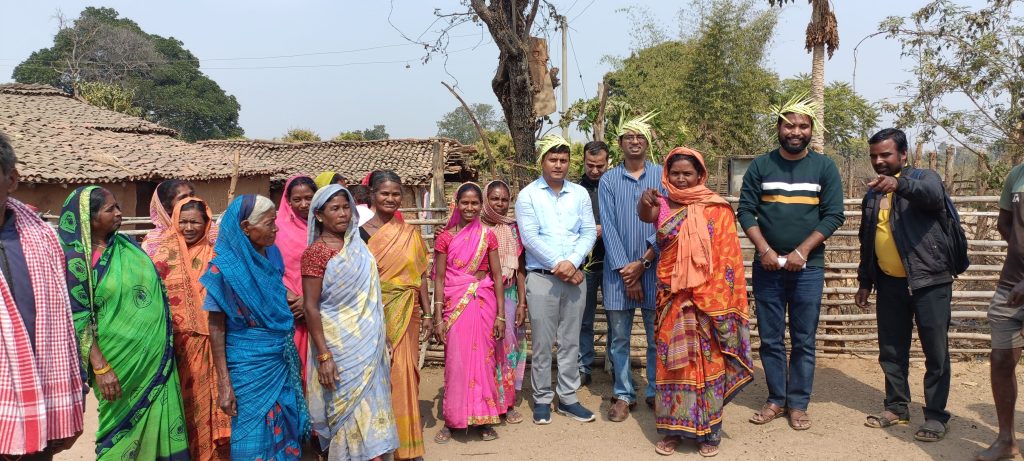
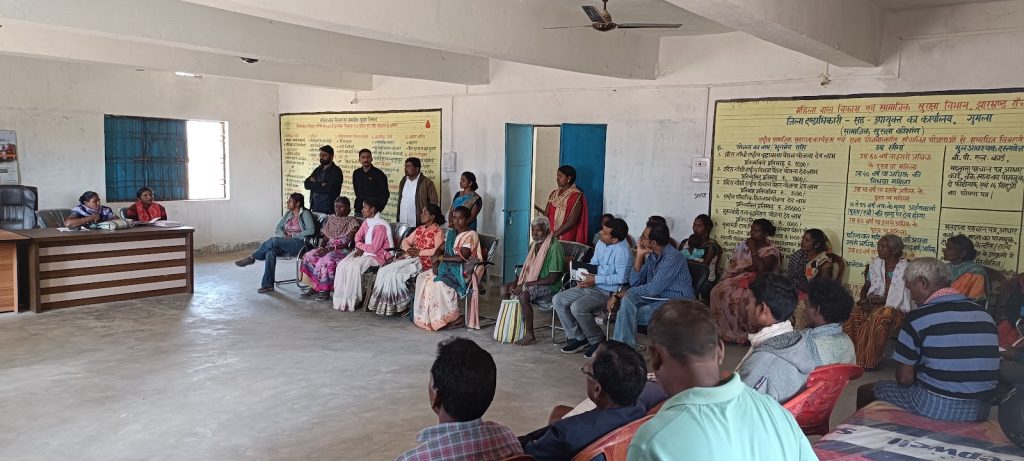
Below is Vikas’ account as he travels to three regions in Jharkhand and asks residents about their relationship to their ‘home’, pokes at the changing aspirations of rural India, and wonders if a transition from interventions to responses might be more meaningful.
Indian villages are a treasure-trove of resources, cultures and skills, traditionally passed down through generations. Villagers also tend to share a close connection with their natural surroundings, for reasons ranging from sustenance to religion. As aspirations change and evolve, these connections undergo a change as well. I visited Jharkhand in February to sow the seeds of a crucial element of the Rainmatter thesis: nudging a ‘sense of the house’ among the locals.
Jharkhand has about 4,000 Gram Panchayats. What do these villages consider to be their wealth? What is of value to them? What are their aspirations? What are these aspirations rooted in? What are the gaps in reaching these aspirations? When we, as outsiders and potential funders, step in, do we take into account the communities’ relationships with their ‘home’? Are our responses based in their requirements? Or do we foist methods that we understand to be the best solutions for particular challenges? These are among the many questions we’ve been posing internally and to our partners throughout last year.
A number of PRA (Participatory Rural Appraisal) conversations tend to lose out on finding valuable information. Through the above questions, we have been trying to move away from approaches that foist solutions onto communities. Instead, the endeavour is to take the time to uncover answers with them through engagement and assessment. As and when the answers emerge from the grassroot level, we can swap the word ‘intervention’ from our dictionary to replace it with ‘response’.
PRA exercises typically start with a specific framework. As such, a lot of questions are directed or hinted to arrive at specific kinds of answers. For instance, questions like: “Please tell us what are the problems you/your village face?” or “What are your aspirations?” more often than not lead to answers like: “We are not able to access X, Y, Z scheme” or “We do not have enough water” or “We need more income” or “We need pucca houses”.
These discussions are then ripe to turn into a solutioning exercise. Our attempt in Jharkhand was to steer away from such discussions and instead instil a sense of the place/house.
So we started the discussion at a village in the Bhasia region by asking the residents whether they made the broom (jhadu) or bought it at the market.
“We make it. Our parents taught us how to.”
“Which method would you prefer for your next generation – to make it at home or to buy it in the market?”
“Making a broom requires effort. We need to first get the grass from the forest, then dry it and then make the broom. It’s easier to go to the shop and buy it.”
“Then we will need to earn money to pay for the broom. Earning money also involves effort, and once the shopkeeper knows that you do not know how to make a broom, he may increase the price. And since you are not using the grass anymore, you will not even notice if the grass vanishes from your forest.”
“It may be better for us to teach our kids how to make the broom.”
We then moved to talking about assets:
“What is your most valuable asset?” –“Paddy. We sell it when we want to buy something.”
“Where do you get the paddy from?” –“From the farm.”
“So is the land the asset or is paddy the asset?” –“The landis the most valuable asset.”
“What about the soil? Will you get paddy if the land turns barren?” –“That is true… without good soil, the land is of no use.”
“So is your most valuable asset your soil, the land or the paddy?”
Further questions led to discussions on water, trees and forests. As it turned out, the community had a deep sense of connection to their soil, water, forests and the place in general. What they needed help with was in understanding the factors that were affecting the health of the soil, water and the forests.
By trying to bring in a place lens, we moved away from typical questions and built a conversation around the community’s needs. What is the value of conserving traditional skills? What do villages stand to lose if they lose these skills? Do we need to introspect if we’re having to source our basic necessities from far and beyond, and heavily packaged and travelling long miles at that.
Interacting with local communities in the Bhasia region.
In Sukruda village, collectives of between four to six women have converted their barren lands into mango orchards and integrated vegetable cultivation to suffice their own consumption needs; they sell the excess produce. As a result, the women no longer have to travel in search of labour jobs. They’ve also observed that the quality of their soil has gradually improved. Looking at the outcomes of these collectives, more villages now want to adopt this idea.
In sharp contrast, in another village, farmers were encouraged to use modern methods such as drip irrigation, pesticides, hybrid seeds, mulching sheets and so on in order to increase yield based on the monetary target they aspired to achieve. Solar fences, nylon fences, and polynets made their way to this remote village. Soon enough, a number of these communities started seeing the long-term problems with the plastic left behind by mulching sheets. In a community encouraged to try hard by any means to increase outputs and income, with little importance given to their surrounding and ecological wealth, it was difficult to see a connection and belongingness to their own home.
When the balance in our homes is disturbed, we spring into immediate action to fix it. But who is doing this for our villages? What is off-balance in our villages today? What needs attention? What is fine today but might be at-threat tomorrow? The local communities have, and will always be able to assess this for themselves. And none of these elements work in isolation, rather they influence one another.
The new Gram Panchayat office, which is now a space for members from the surrounding Gram Panchayats to come together and hold conversations about issues that matter to them.
A deep conversation with our partners followed these field visits. Communities often have a vision for what their village and their panchayat should be like. On this trip, the aspirations ranged from wanting a green and a healthy village to one that can provide for its people’s needs. The question for us then is how do we merge their aspirations with an approach that values people, their skills and the environment? How do we build local communities that are resilient to the market forces in the long-run? How do we help find solutions for communities rooted in their need as opposed to in our convenience? These are the questions we need to ask as we refine our approach.
When I look back on this experience, two quotes come to my mind:
“A bend in the road is not the end of the road, unless you fail to make the turn.” – Helen Keller
“Do Not Follow Where The Path May Lead. Go Instead Where There Is No Path And Leave A Trail.” – Ralph Waldo Emerson
Written by Vikas Hosoor
Edited by Tanmayi Gidh
Nature Conservation Foundation: Redefining conservation in a changing world
The climate crisis manifests differently across different regions. Its impact on varying wildscapes and species can take any form ranging from glacial melt in the snowy Ladakh, to the bleaching of corals along the coasts of India. That being the case, every region would have to ask its own questions, and explore its own unique responses.
The Rainmatter Foundation partnered with the Nature Conservation Foundation (NCF) in 2021 to piece together the necessity of ecosystem conservation and restoration in the climate context. NCF’s approach to conservation – deeply rooted in long-term scientific research, focused on finding place-based solutions by looking at the evolution of landscapes and responding to its changing demands accordingly, and taking into account the needs of local communities that share the landscape with wildlife – forms a crucial part of their conservation practices, and resonated deeply with the kind of thesis we were trying to develop at Rainmatter over the past year-and-a-half. NCF currently works in multiple landscapes in the country and collaborates with national and international organisations on matters related to declining habitats and species, human-wildlife interactions, and the impact of a warming world on ecosystems.
Rooted in ecosystems
It’s hard to point to a start, Ananda says when I’m speaking to him on an unusually warm February morning. NCF has been a long journey of evolving ideas. Dr. M. Ananda Kumar is one of NCFs senior scientists and their current Director, working closely on the Elephant Project. NCF was established in 1996. At the time, it was a group of young scientists out of the Wildlife Institute of India, passionate about certain landscapes and species, and very curious to see where their research would lead. The idea of what NCF has grown to be, the impact that it found the potential for, was realised along the way.
A compact stony coral type with vibrant colours, Acropora plays a vital role in maintaining reef strength. Photo: Mayukh Dey
Although the conservation practices in coastal regions would look very different from those in the high altitudes of the Himalayas, a few common principles underpinned by ethical considerations became a common thread that stitched all of NCF’s efforts. While the Foundation’s work is deeply rooted in science, understanding and building upon traditional knowledge and insights shared by local communities is an important element of all their work. They work towards understanding the life and hardships of communities that share a landscape closely with wildlife, while also helping them learn about NCF’s work. So is a horizontal approach that looks at creative solutions engaging various stakeholders and the larger community and incorporating technology in conservation. Under each programme, a range of ecosystems are protected, conserved, and restored in the region.
Having completed 25 years this past October, NCF’s has been the longest running species and landscape focused conservation programme in a number of these landscapes. As landscapes, environmental threats and conservation challenges evolve over time, the approach to them would need to evolve as well. The organisation also works towards connecting people with nature through outreach and education. To this end, a range of educational materials and projects were introduced under NCF’s Education and Public Engagement (EPE) Programme. A younger generation of conservation scientists and researchers from the interdisciplinary PhD Programme and the Conservation Leadership Programme led by Moushumi Ghosh are furthering conservation research and practices. Building institutional strength to explore non-linear pathways of progress and growth are areas in which the Rainmatter Foundation is supporting NCF.
Students finding a connection with nature as a part of the EPE Programme. Photo: NCF
NCF recognises that along with researchers committed to strengthening the scientific stronghold, conservation requires inter-disciplinary action, cooperation and insights. Youngsters are trained to be naturalists, corporates are encouraged to look at ecological impacts of industry decisions, and citizens have started to engage with the urban wilderness. A community that once feared elephants in Valparai has today learned to coexist with them, hornbill hunters in the forests of Arunachal have turned protectors of the forests, school children are picking up binoculars over the weekend to spot their favourite birds and monitor their favourite trees. And all this barely touches the surface of the impact NCF continues to have through their efforts.
NCF’s long-term commitment to landscapes has made it possible for them to not only deepen the scope of their impact, but also form lasting, trust-based relationships with the surrounding communities, forest officials and other stakeholders in the regions where they are present. The team’s tenacity has been a testament to the change they’ve been able to create.
From a nature camp in the High Altitudes of Himachal. Photo: NCF
The way ahead for NCF
No single organisation can solve every conservation challenge in every landscape, says Ananda. NCF aims to work in one area long enough to create a reference landscape, and help other conservationists with the skills and knowledge to learn from and build on that in their chosen areas. NCF’s latest initiative is a step in this direction.
The Rainforest Restoration Project is potentially one of India’s most successful restoration projects. Having started in 2004 on a small barren patch of land, it has been successful in planting over 150 native tree species in degraded forest patches in Valparai. Ecological restoration entails assisting the recovery of an ecosystem that has been degraded, damaged or destroyed. Restoration is an important means of conservation, and it became imperative to have a platform to share learnings, experiences, roadblocks and successes to encourage responsible and appropriate ecological restoration. Based on learnings from the Valparai project, NCF launched the Ecological Restoration Alliance (ERA) with the support of the Rainmatter Foundation and Rohini Nilekani Philanthropies in 2021. Restoration practitioners and ecologists have come together to inform, support and sustain ecological restoration efforts in India under the ERA platform.
Taken 16 years apart (L: 2004 / R: 2020), documenting NCF’s restoration effort in Valparai. Photo: TR Shankar Raman
NCF’s passion and commitment embodies the spirit of the World Wildlife Day, which falls today (March 3rd). Designed by the United Nations, it is a day to celebrate and bring attention to all the world’s wild animals and plants. NCF understands the complexity and interconnectedness of the many factors that influence better conservation initiatives in the country, and continue to find answers dynamic in space and time by multiplying and strengthening the voices for conservation.


.jpg)


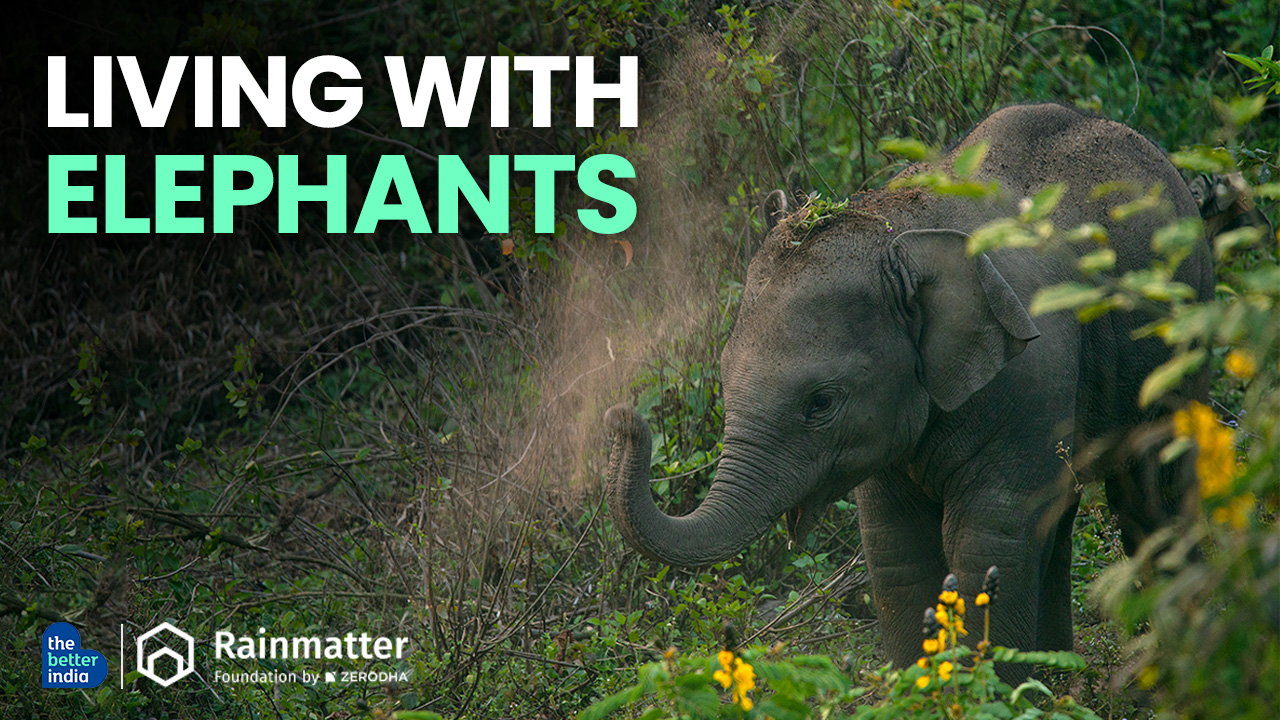
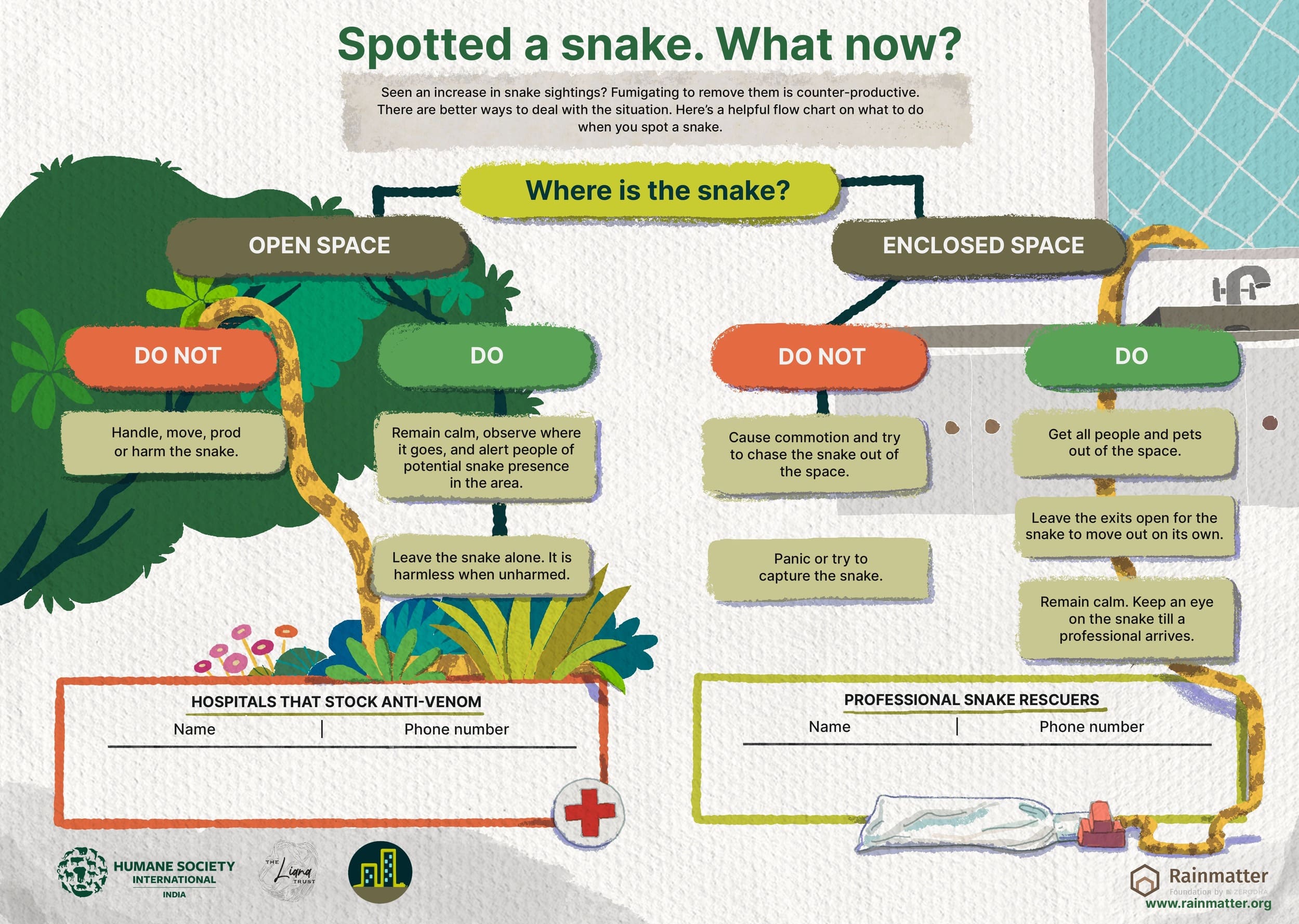
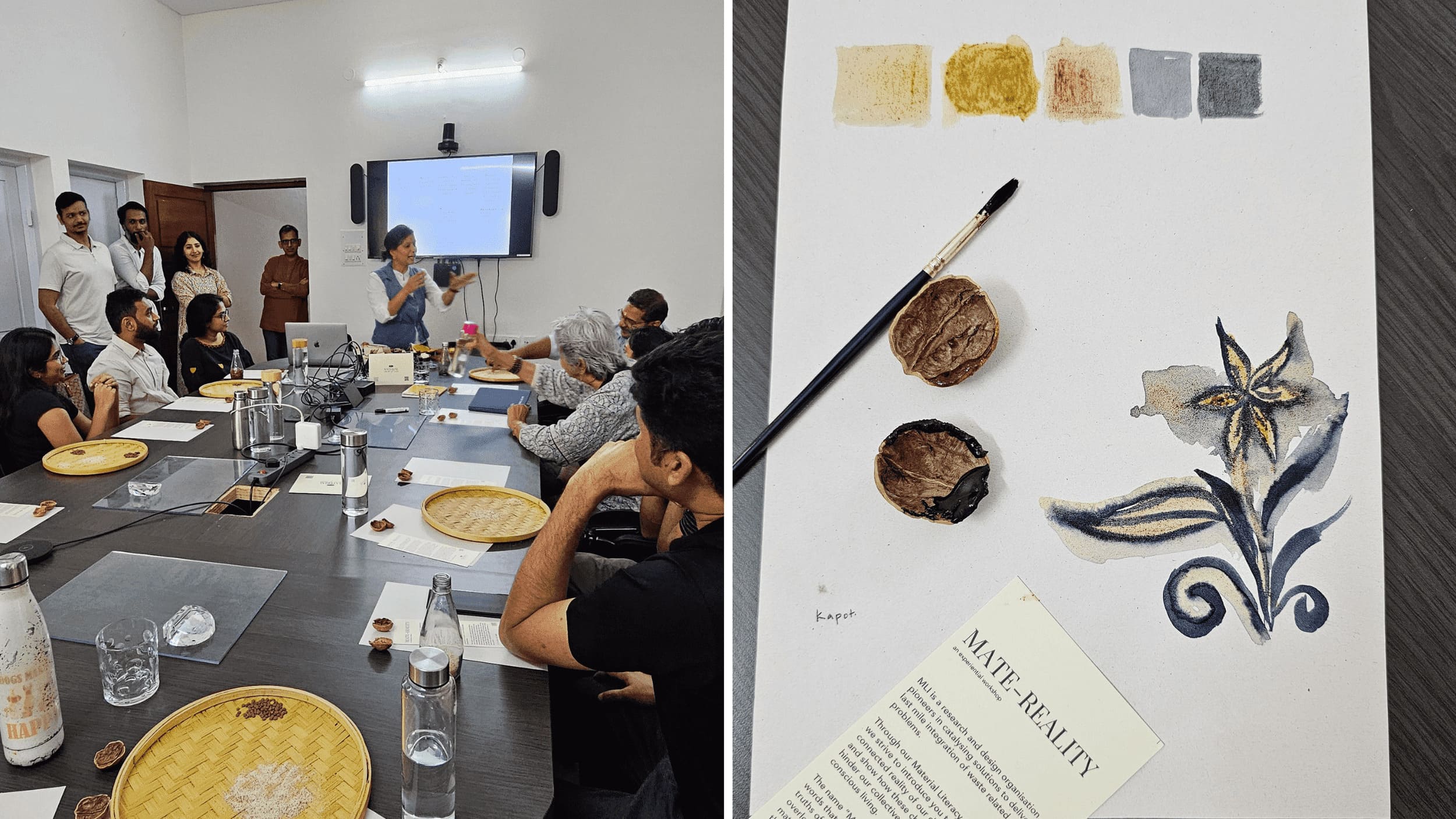
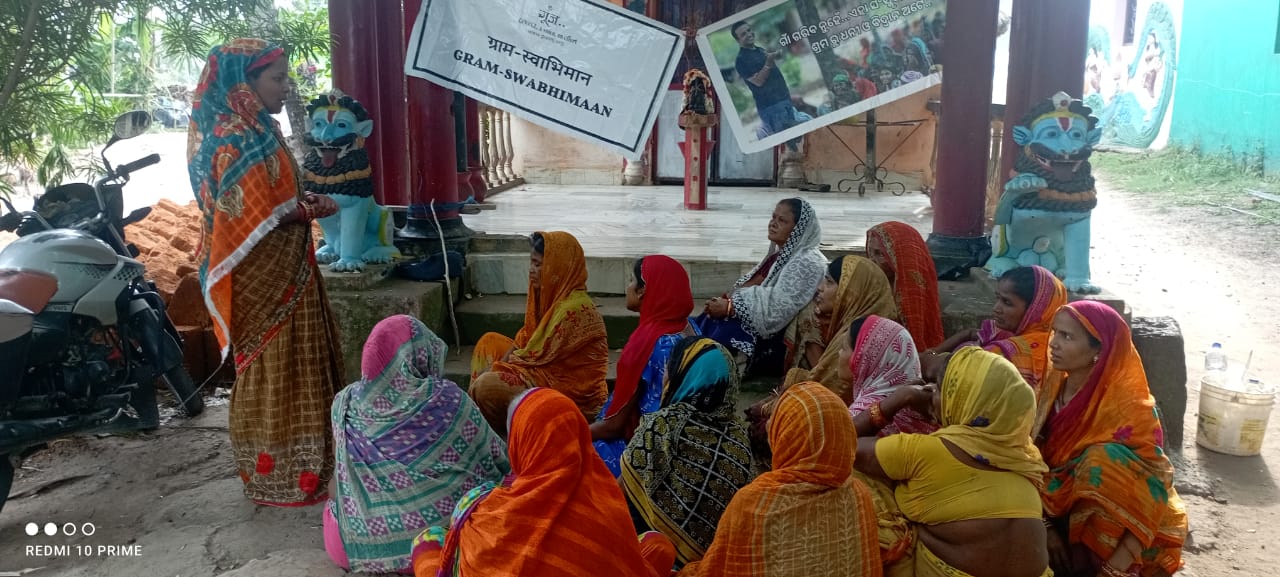
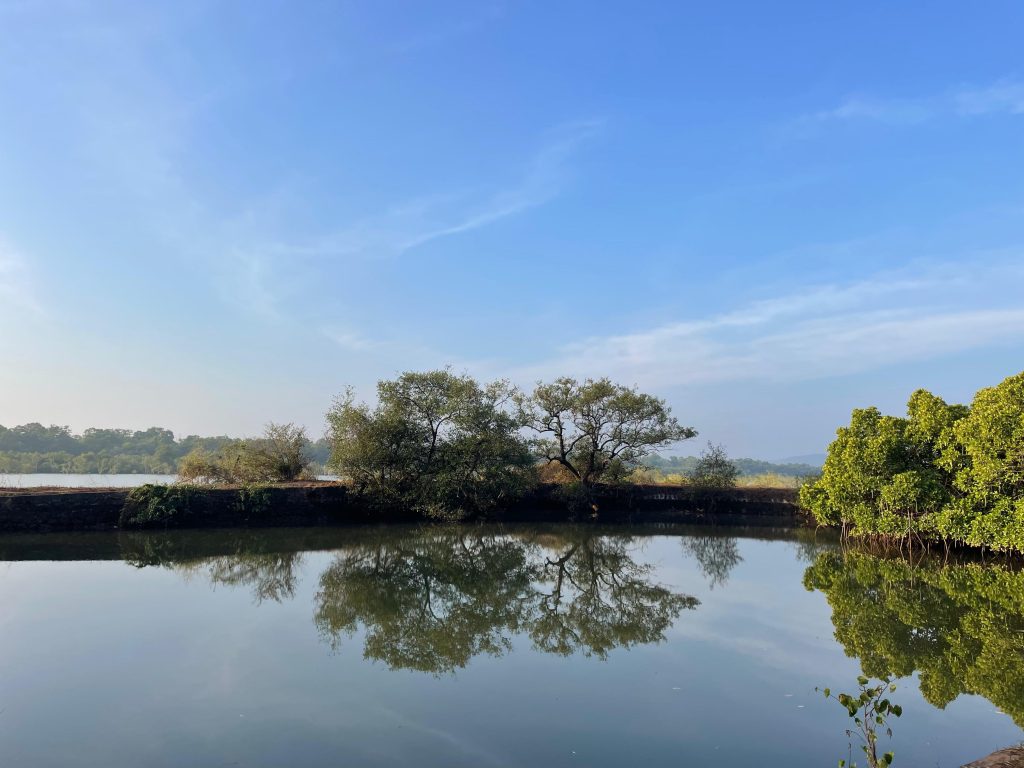
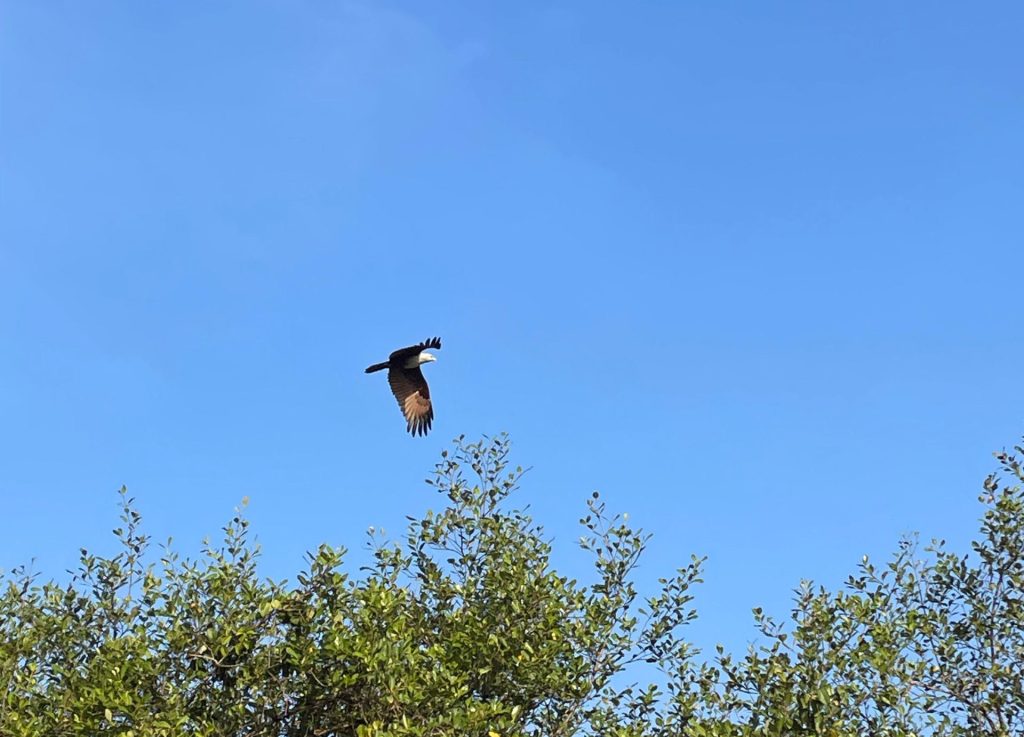
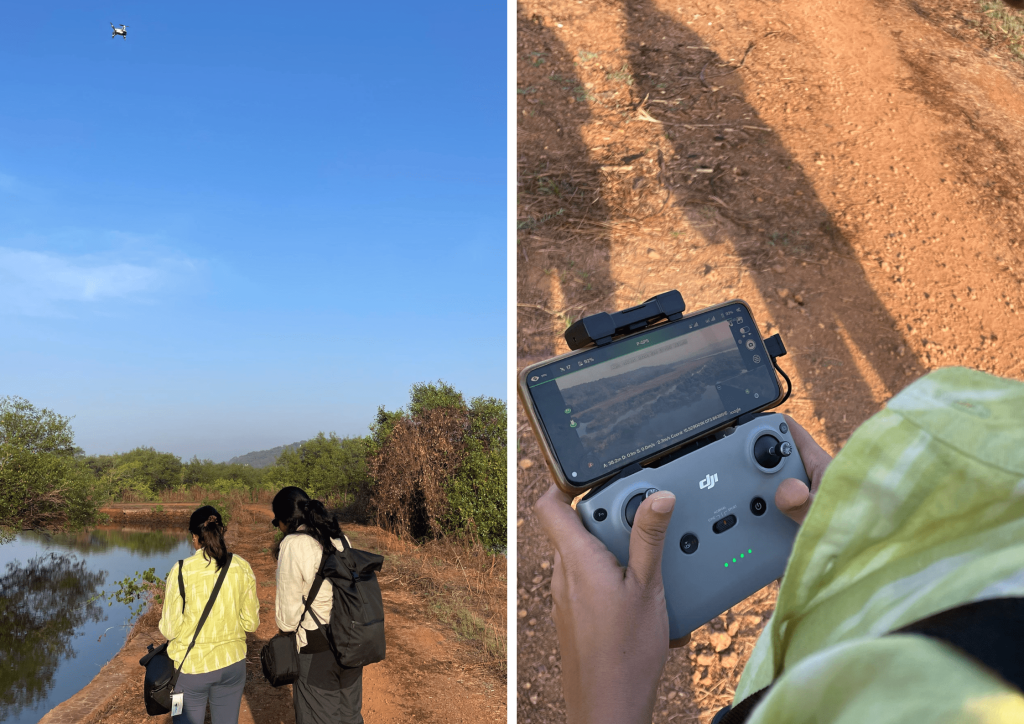
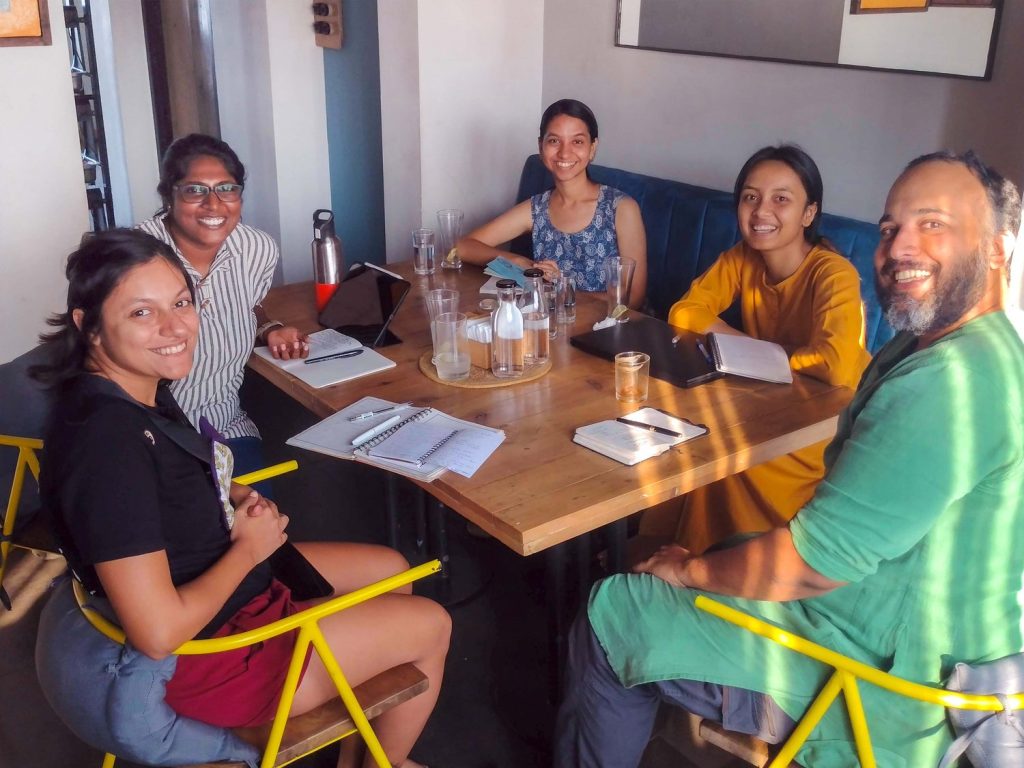
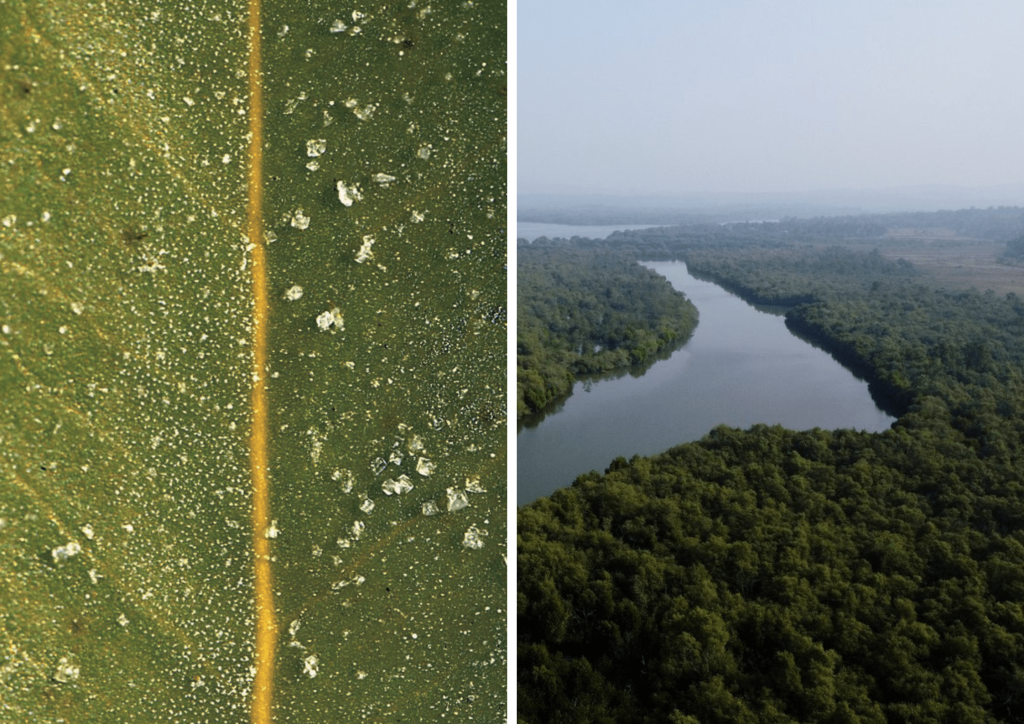
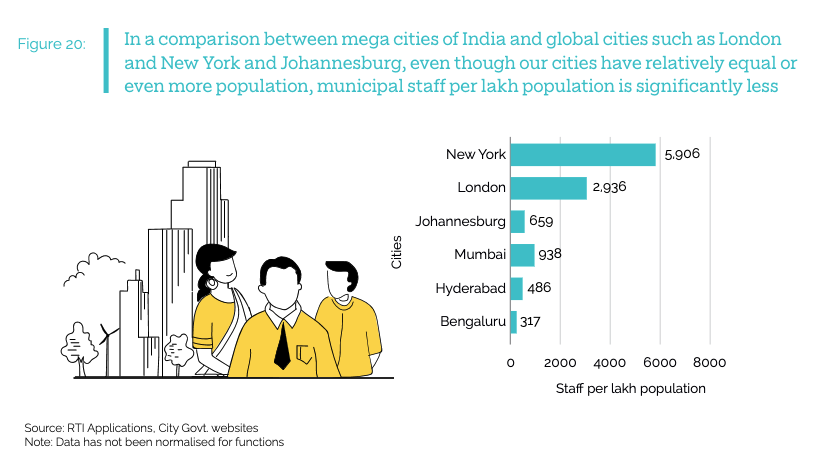
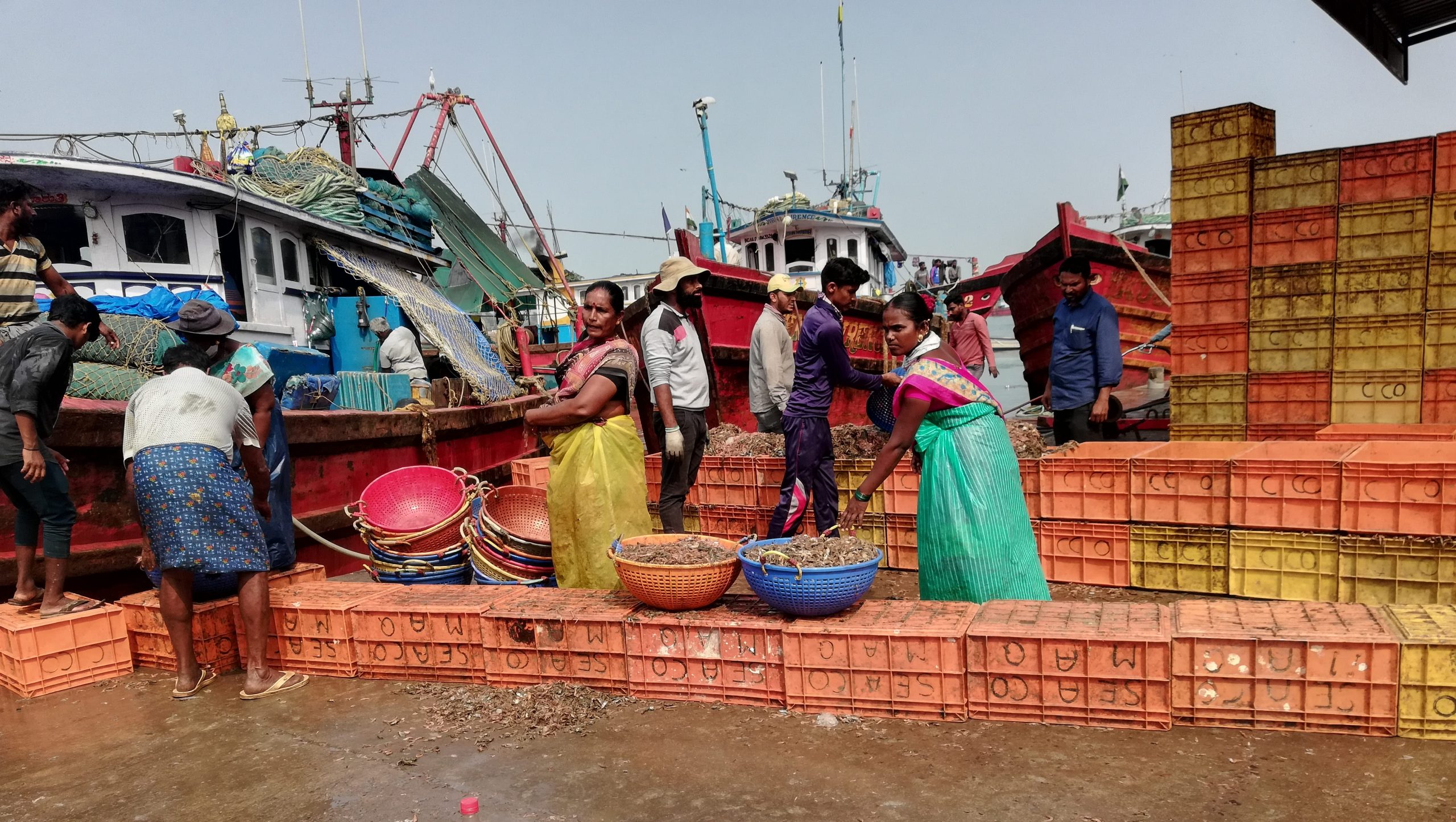
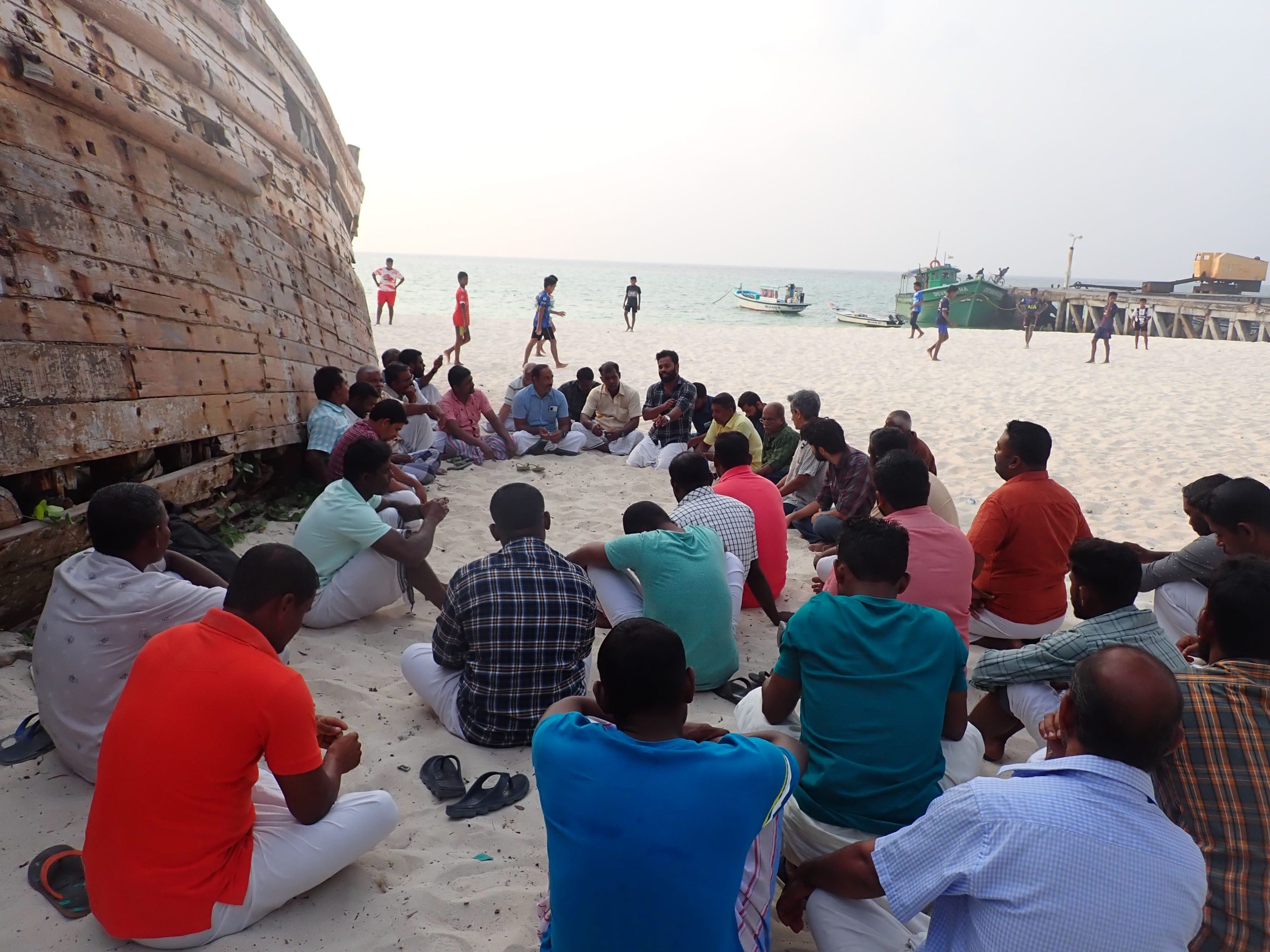
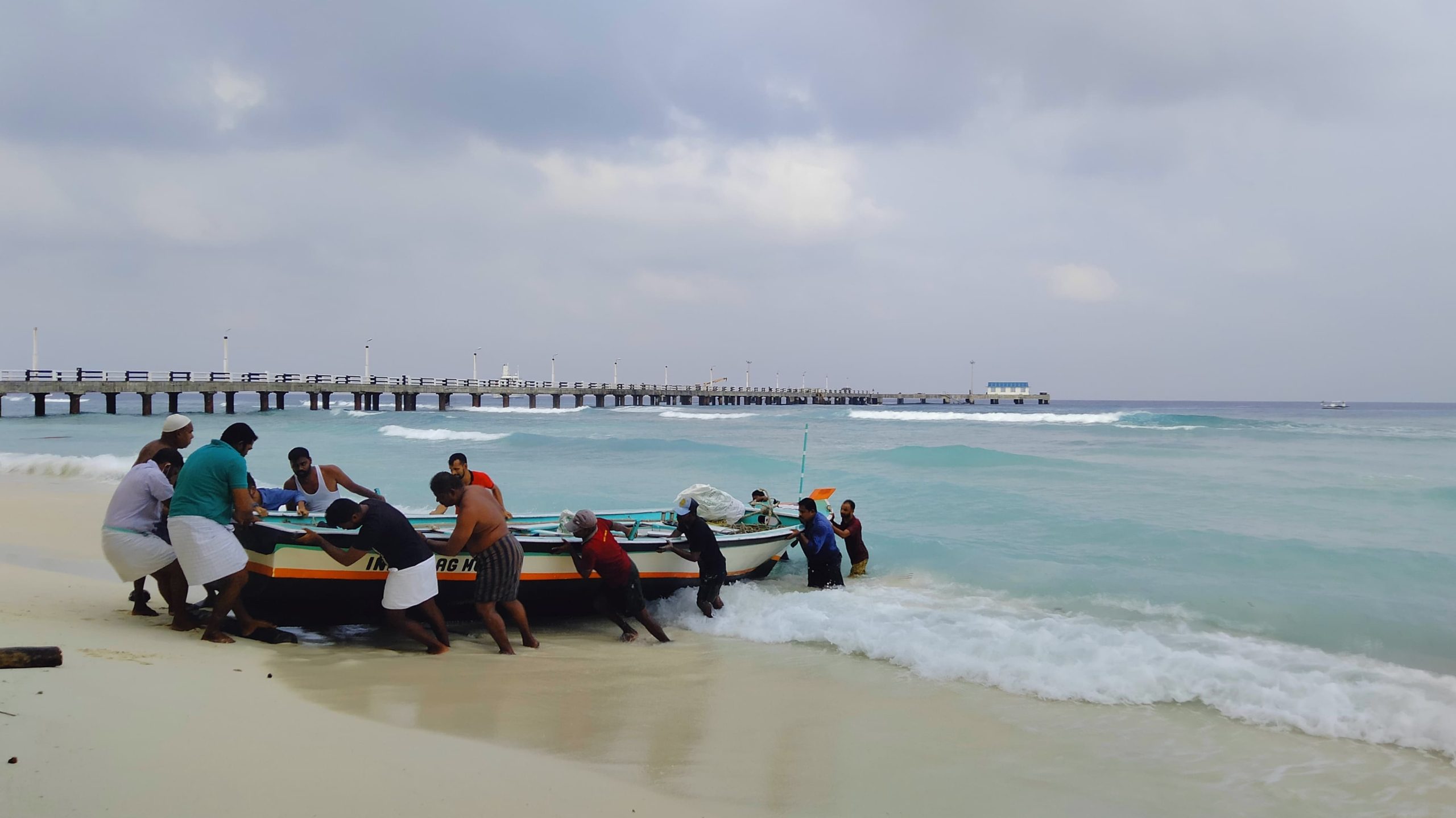
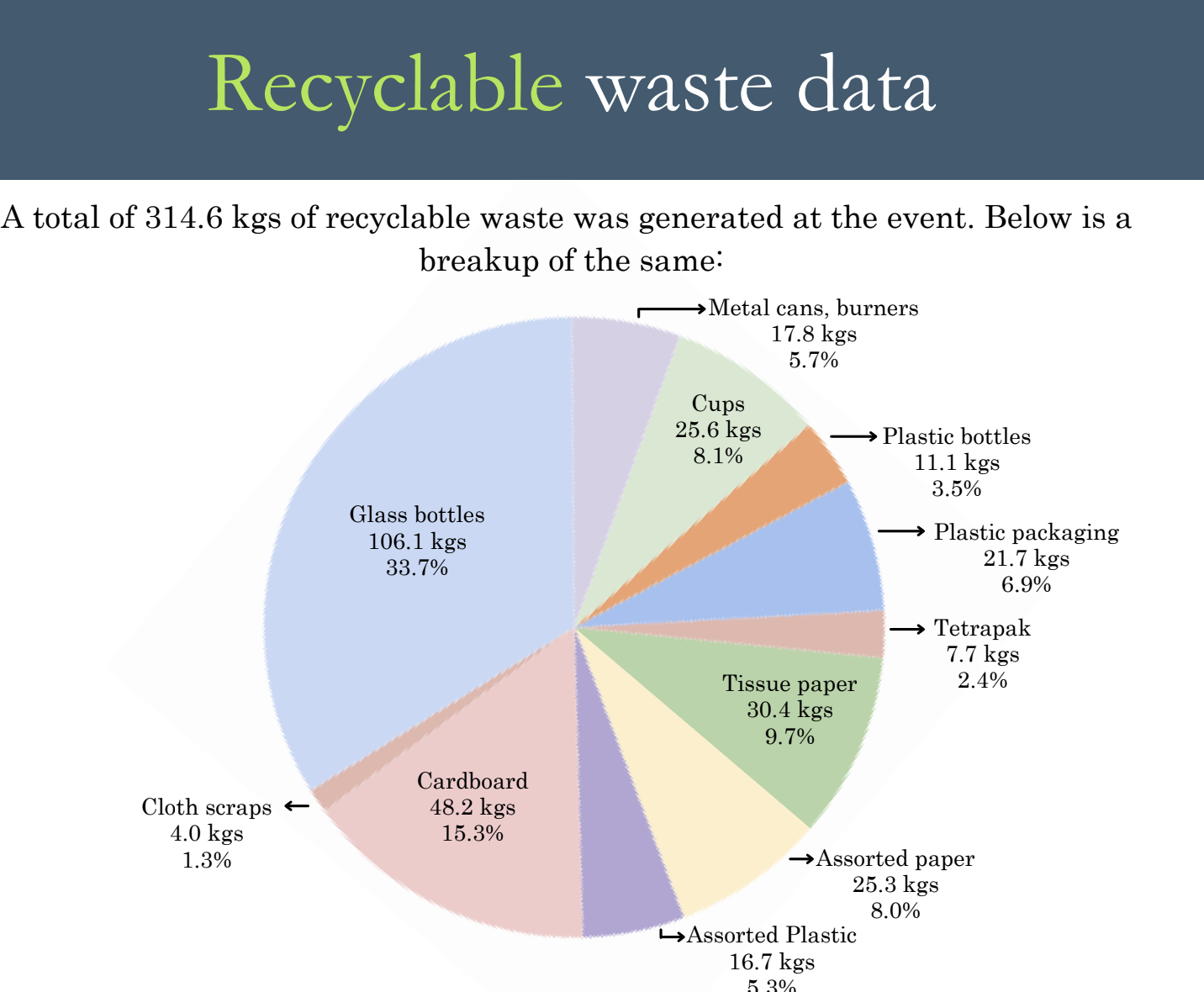
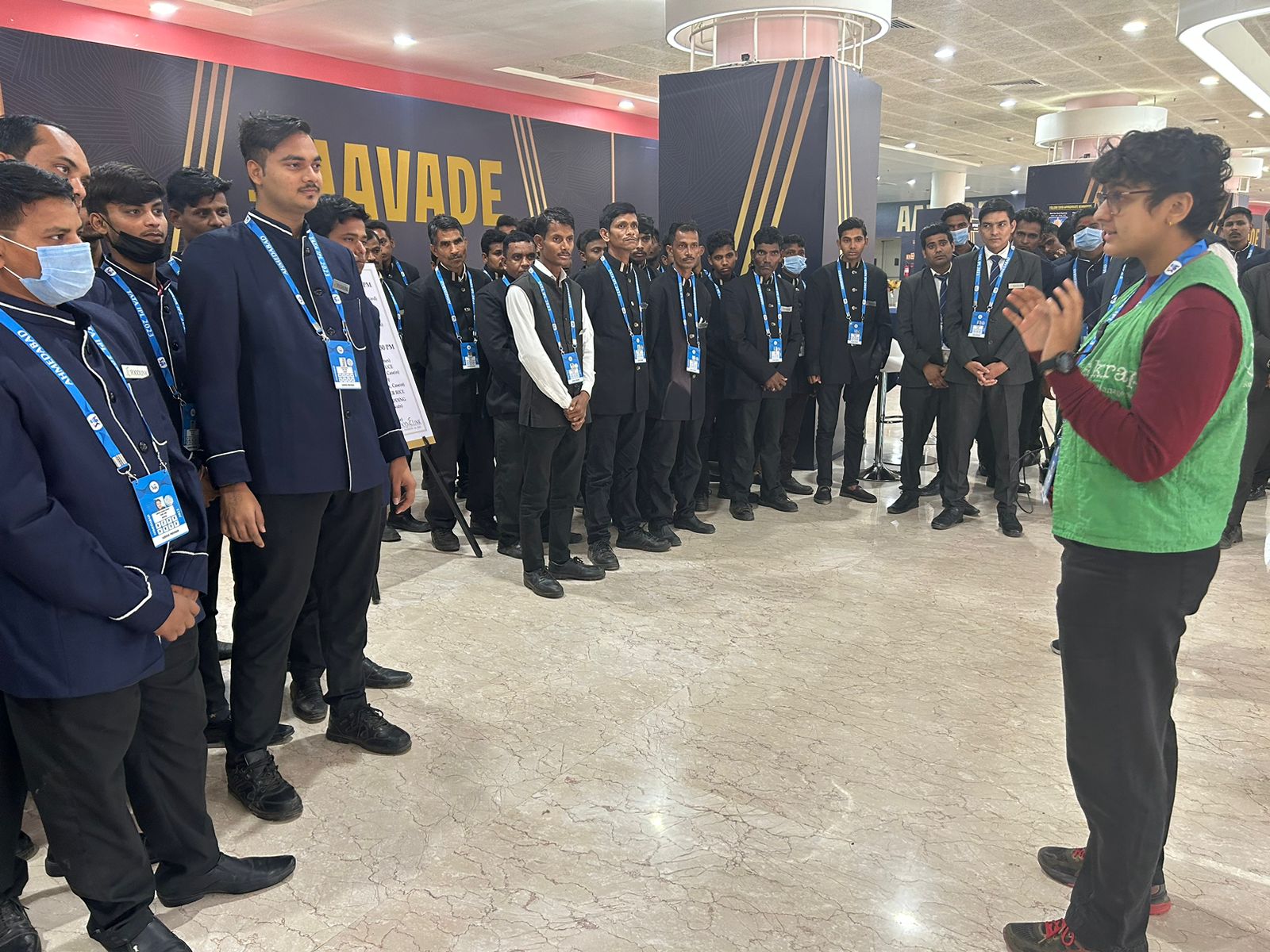
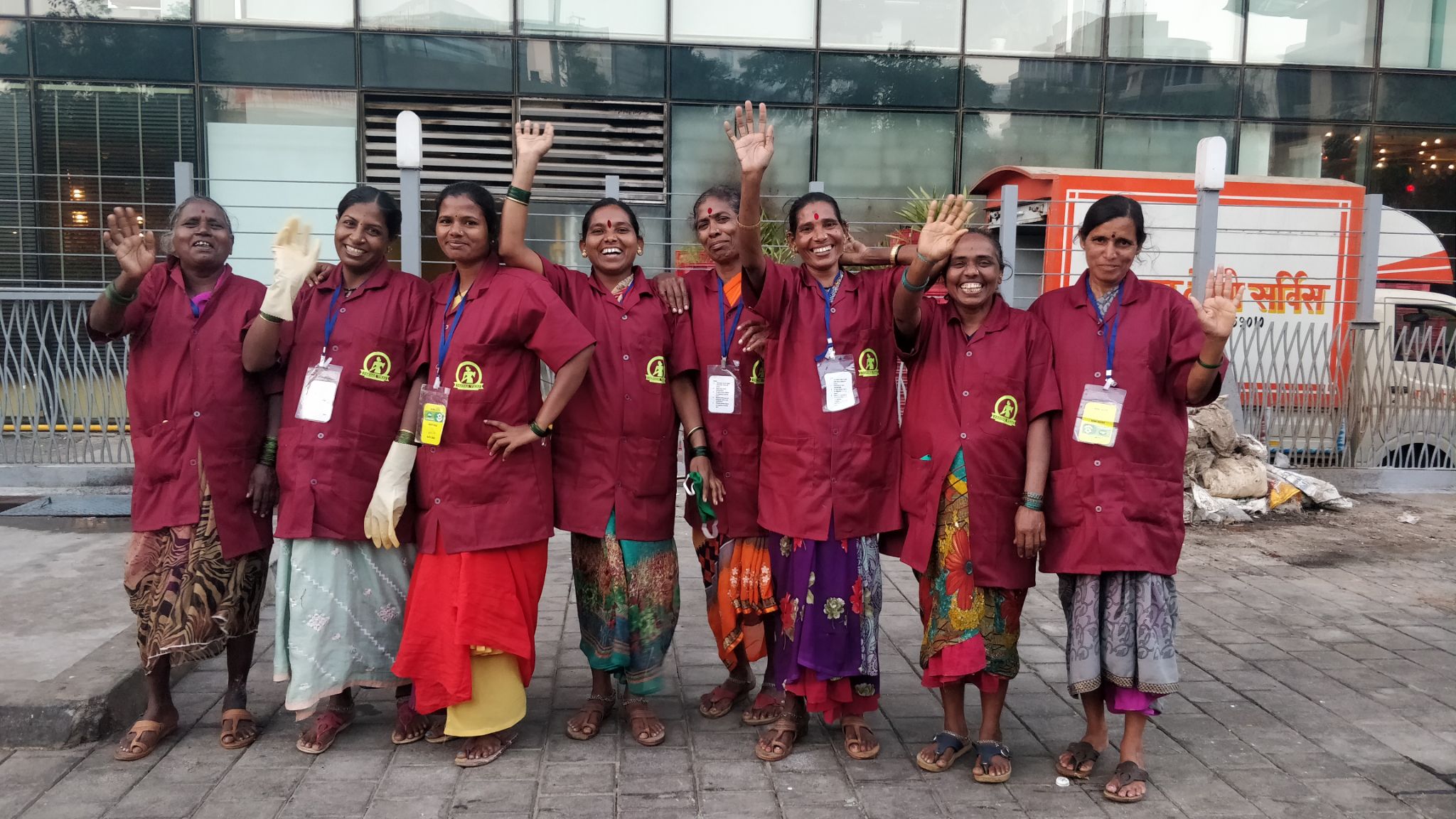
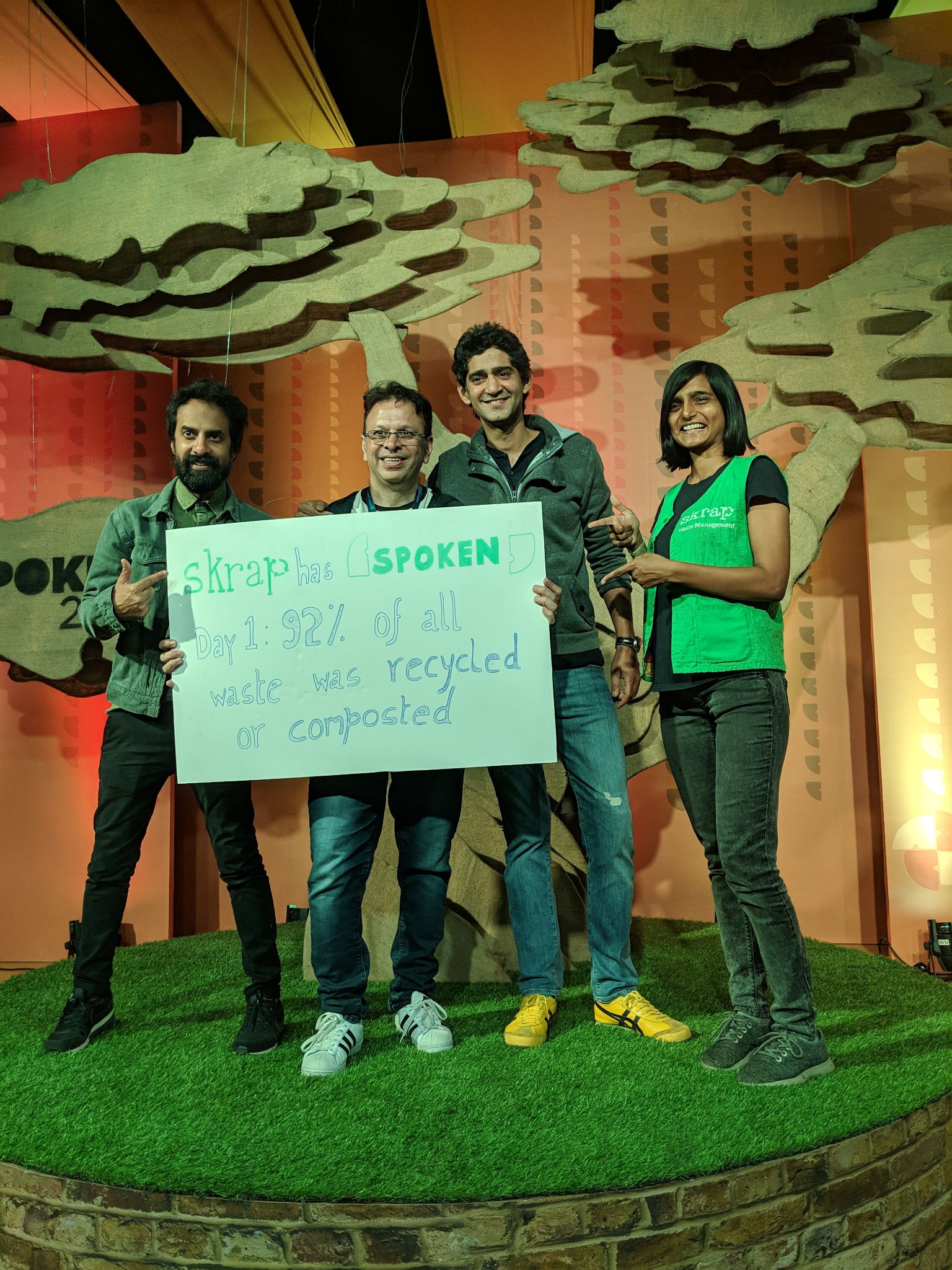
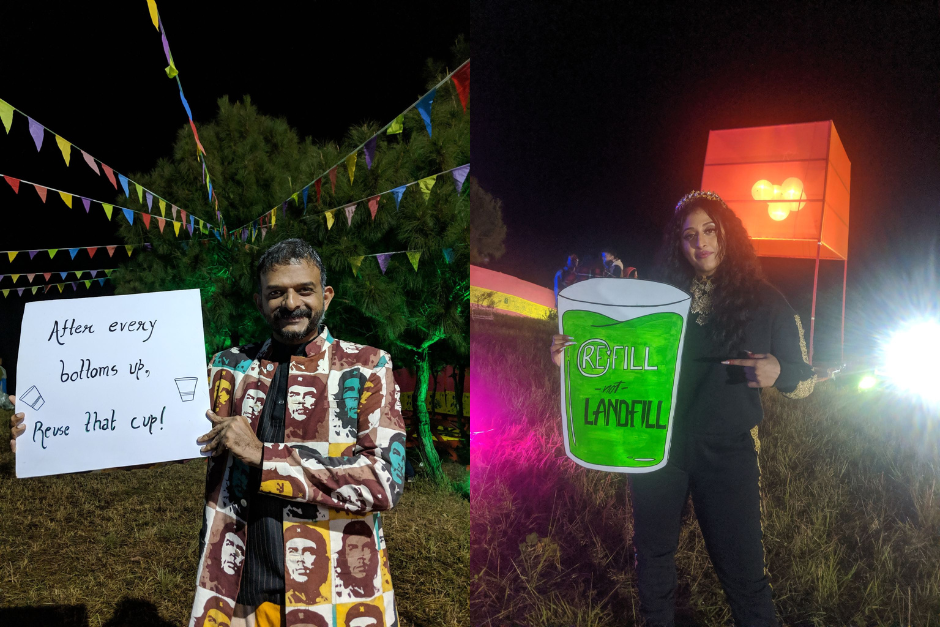
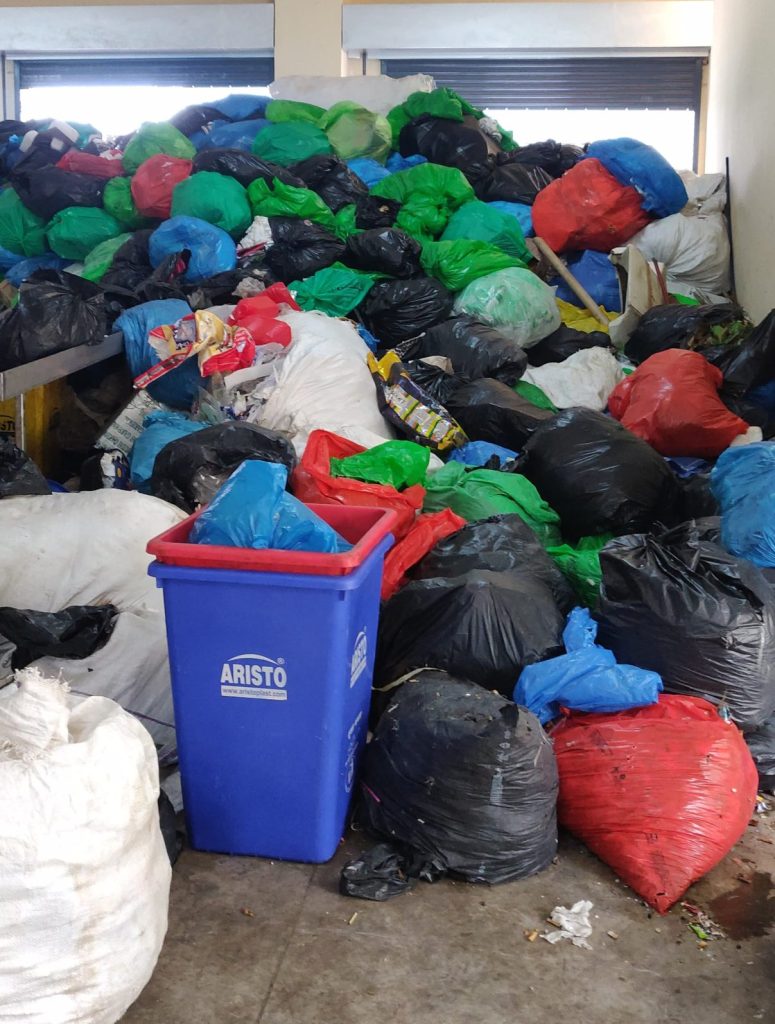
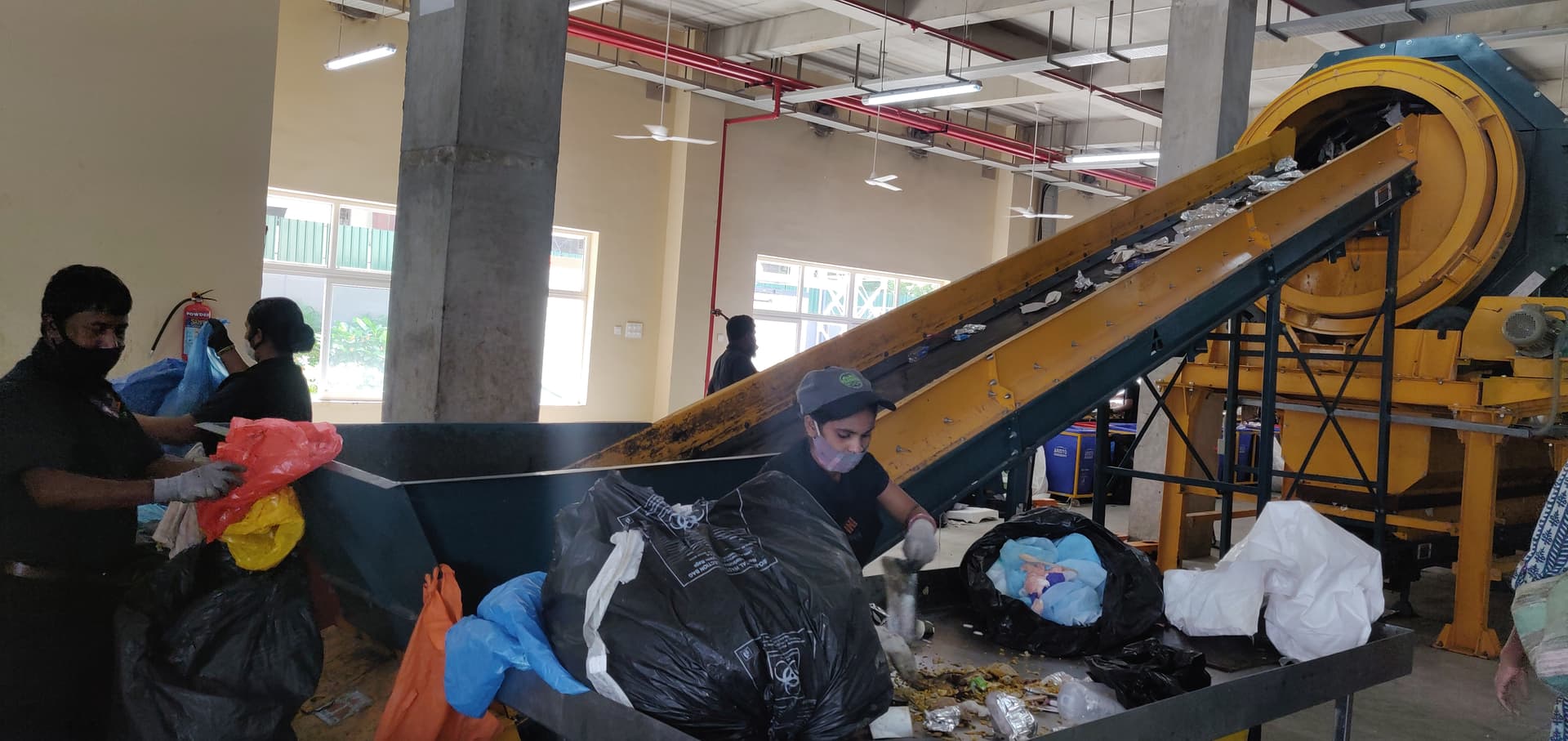
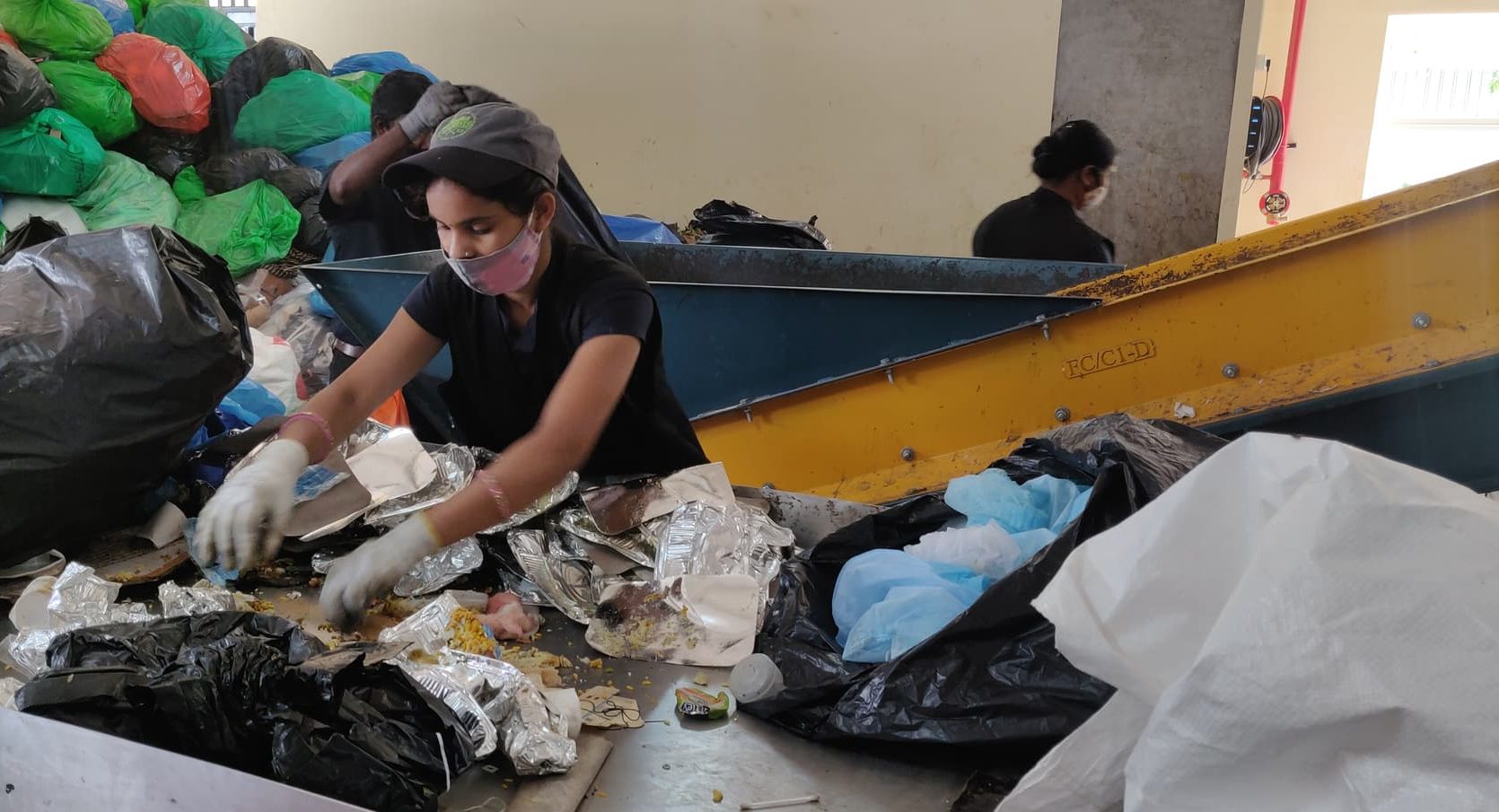
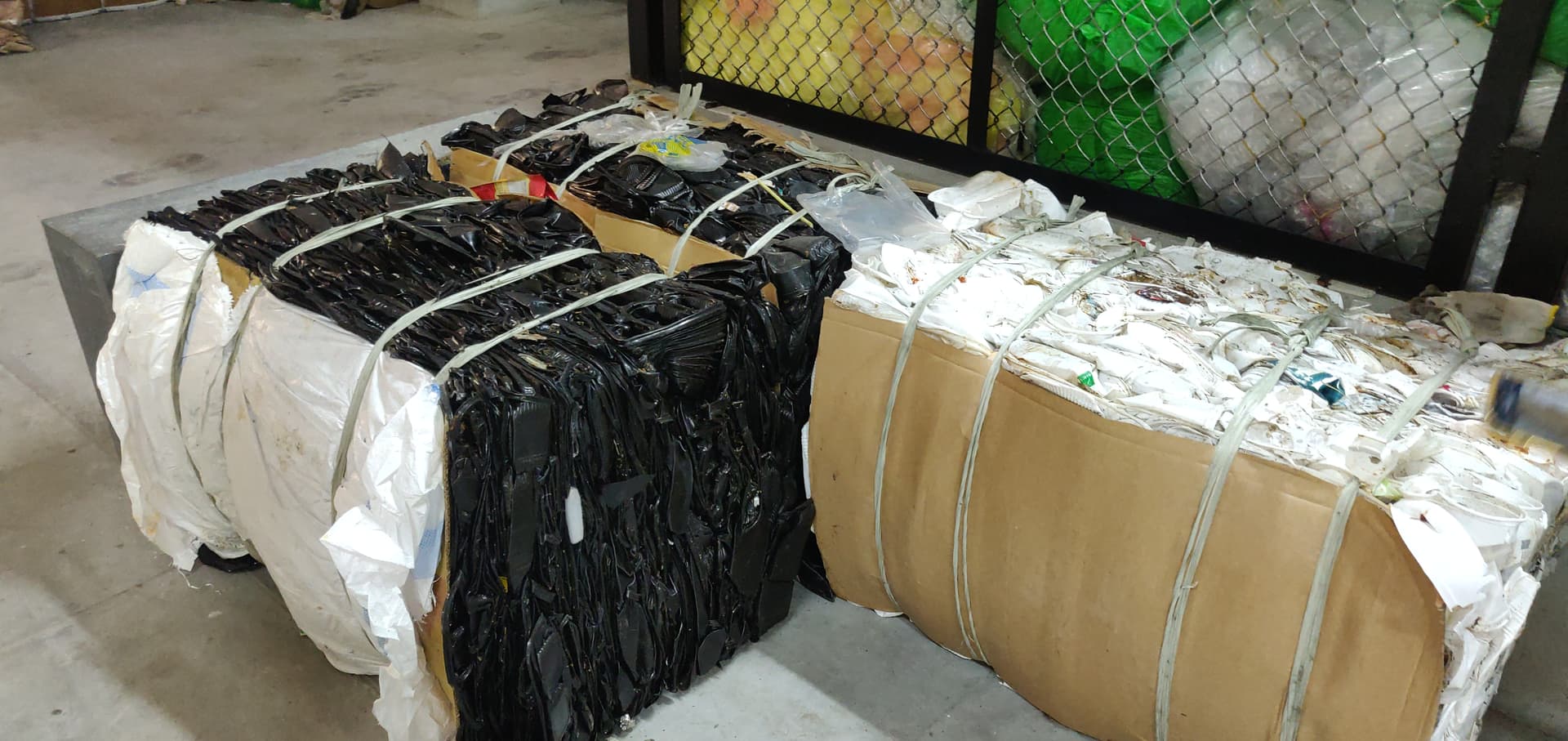
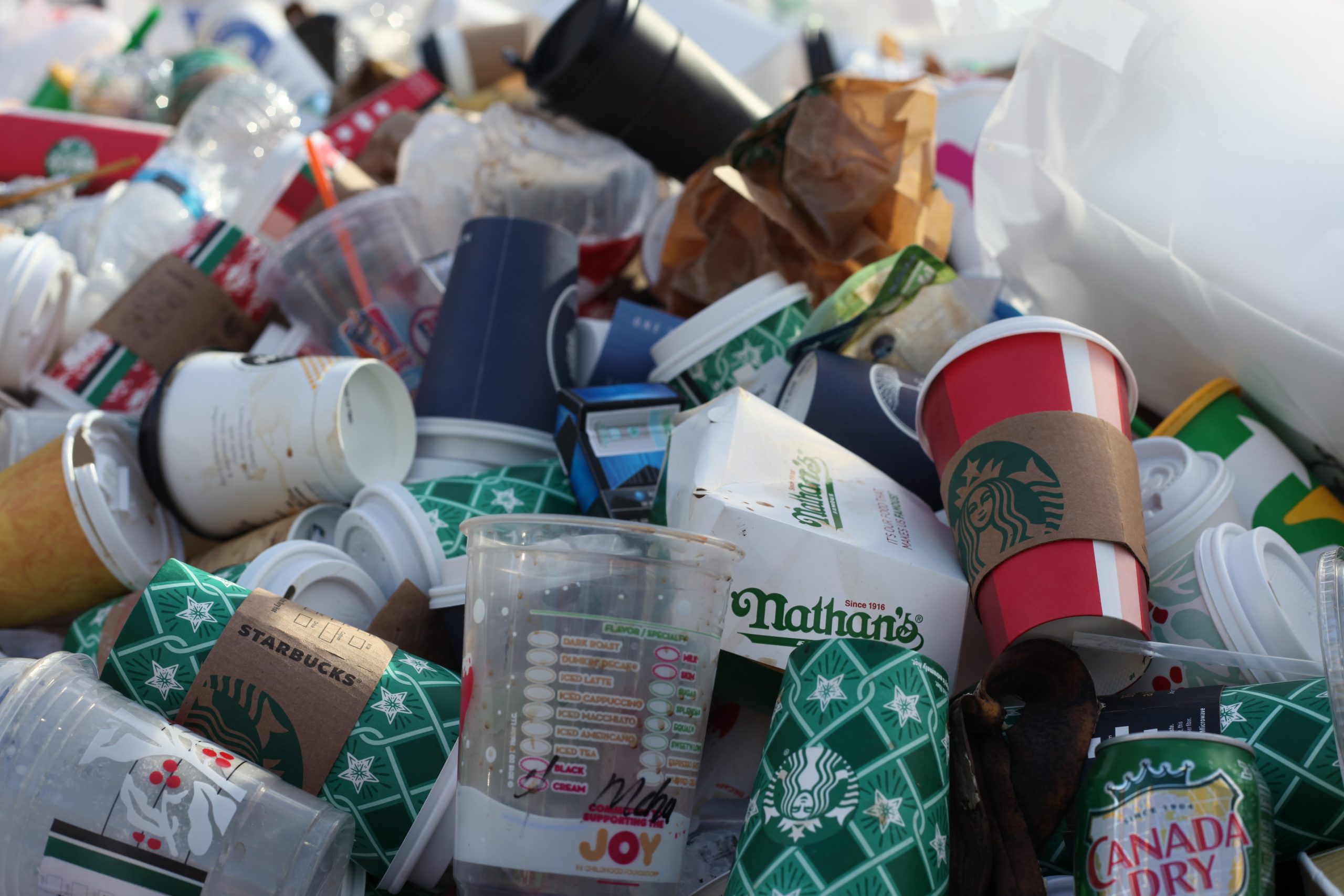
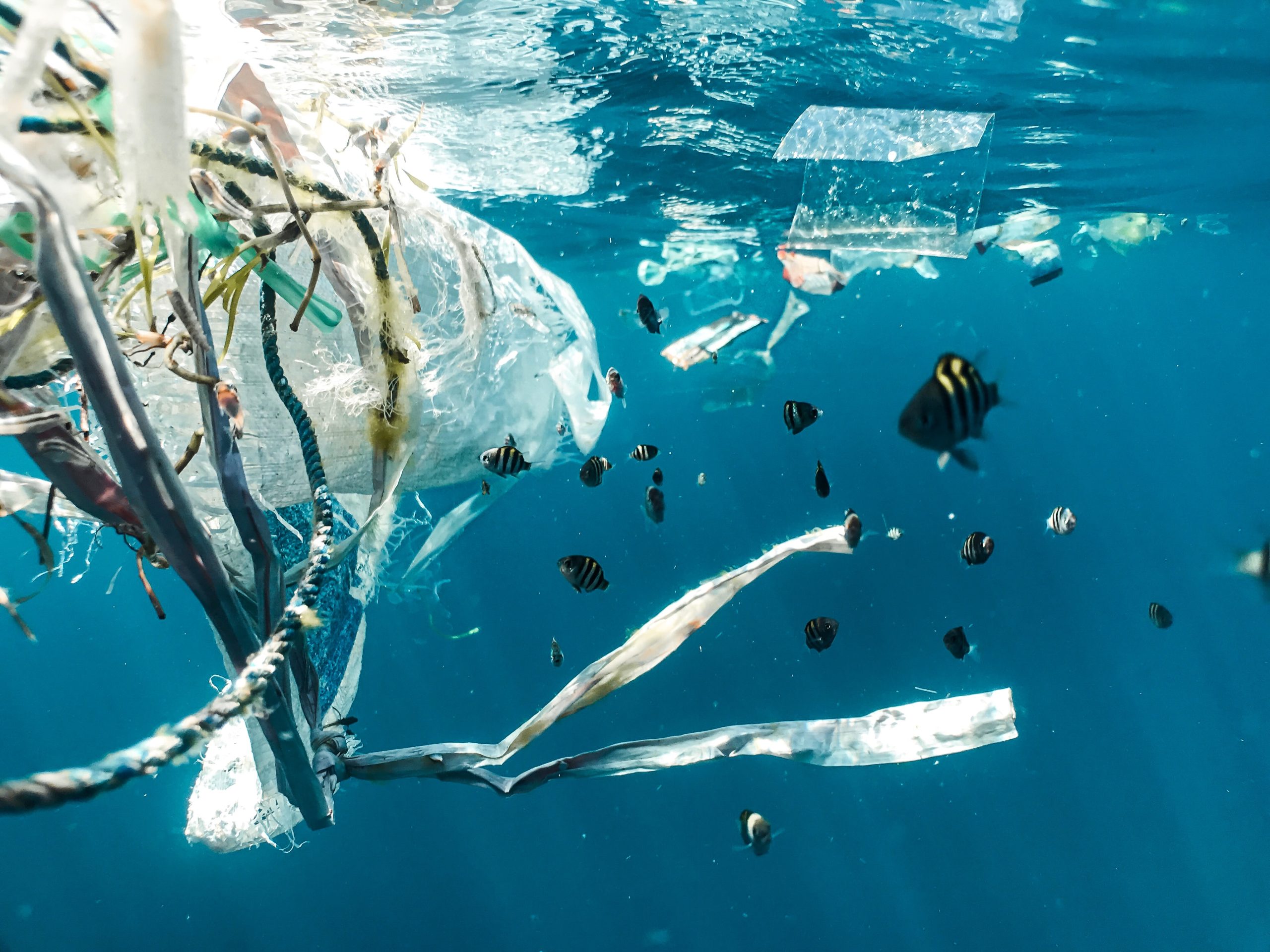
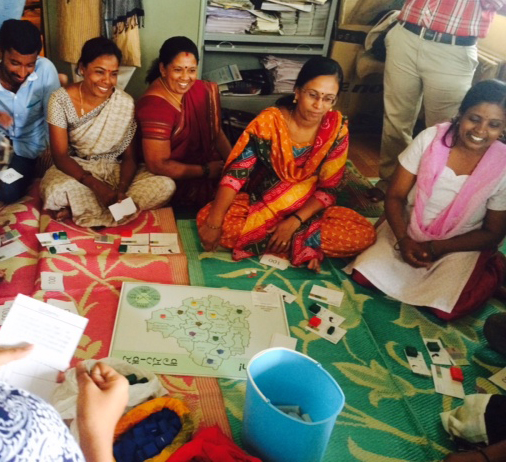
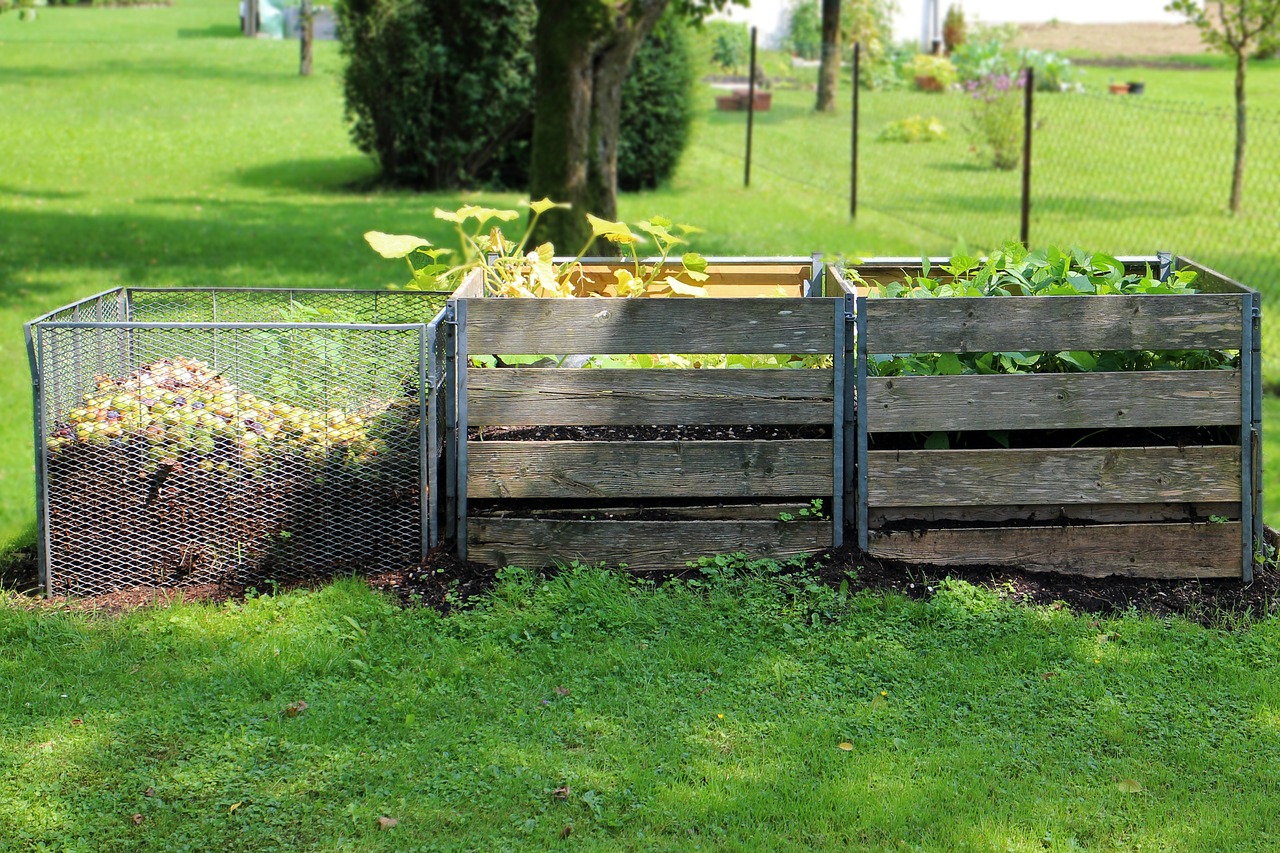
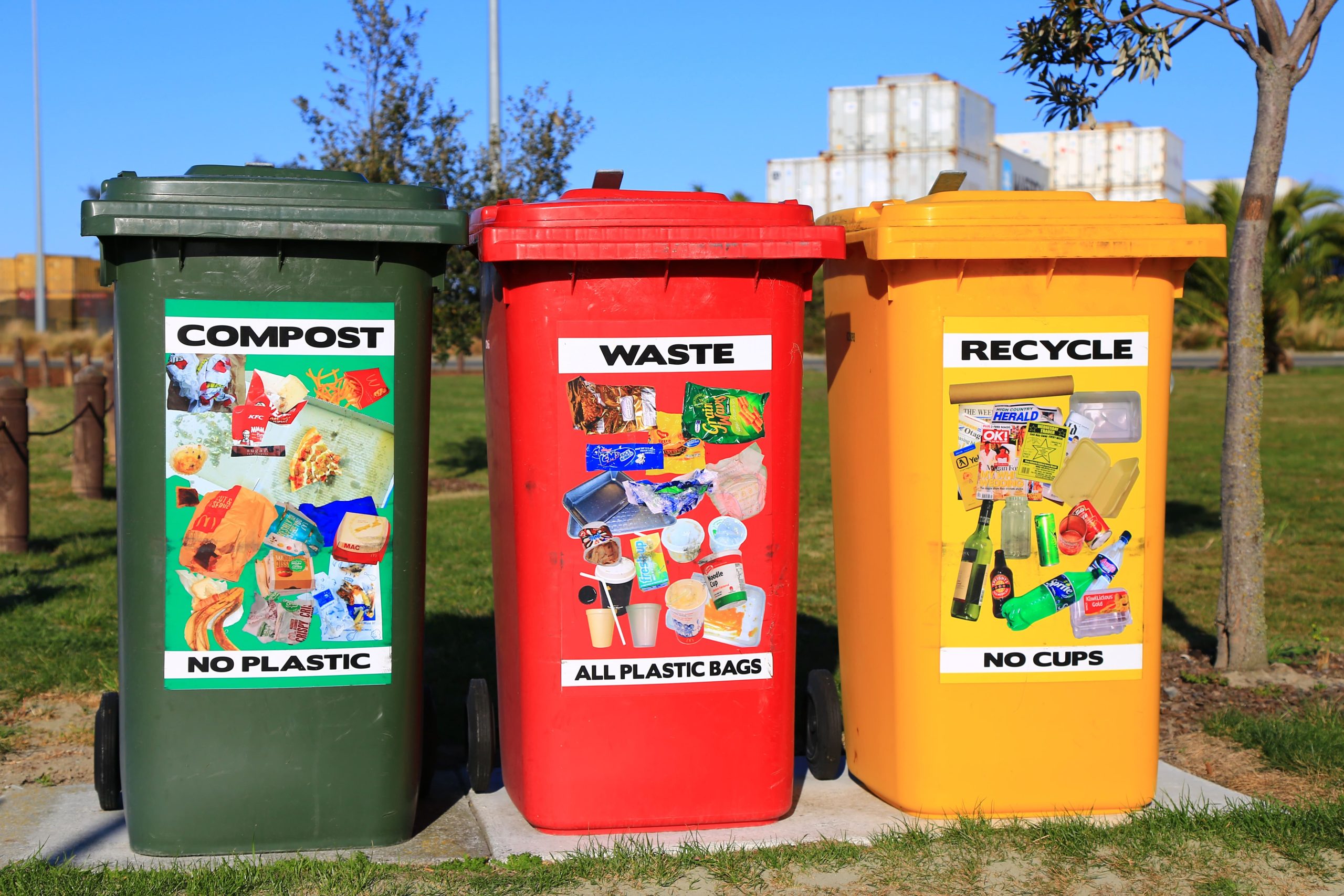
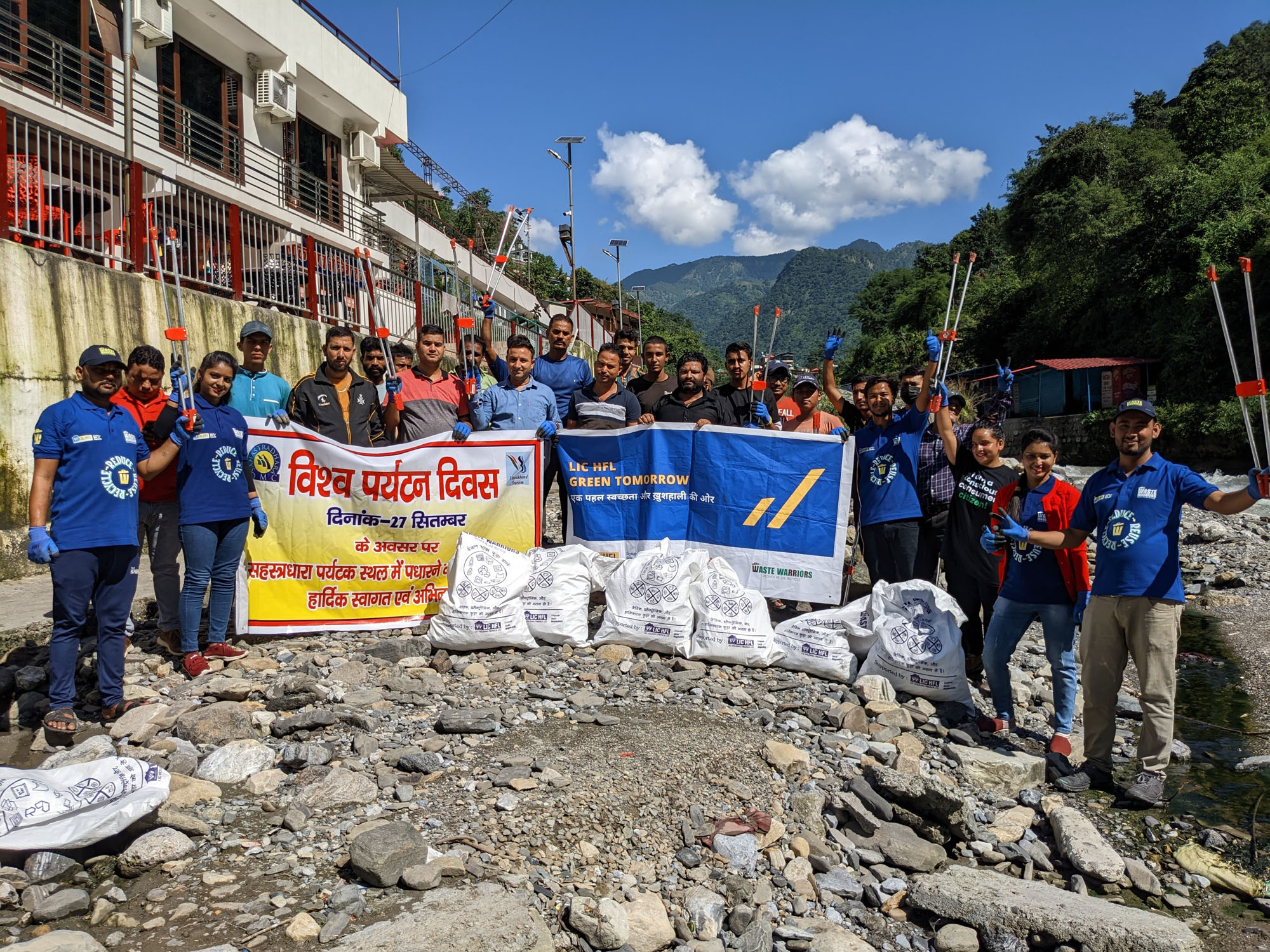
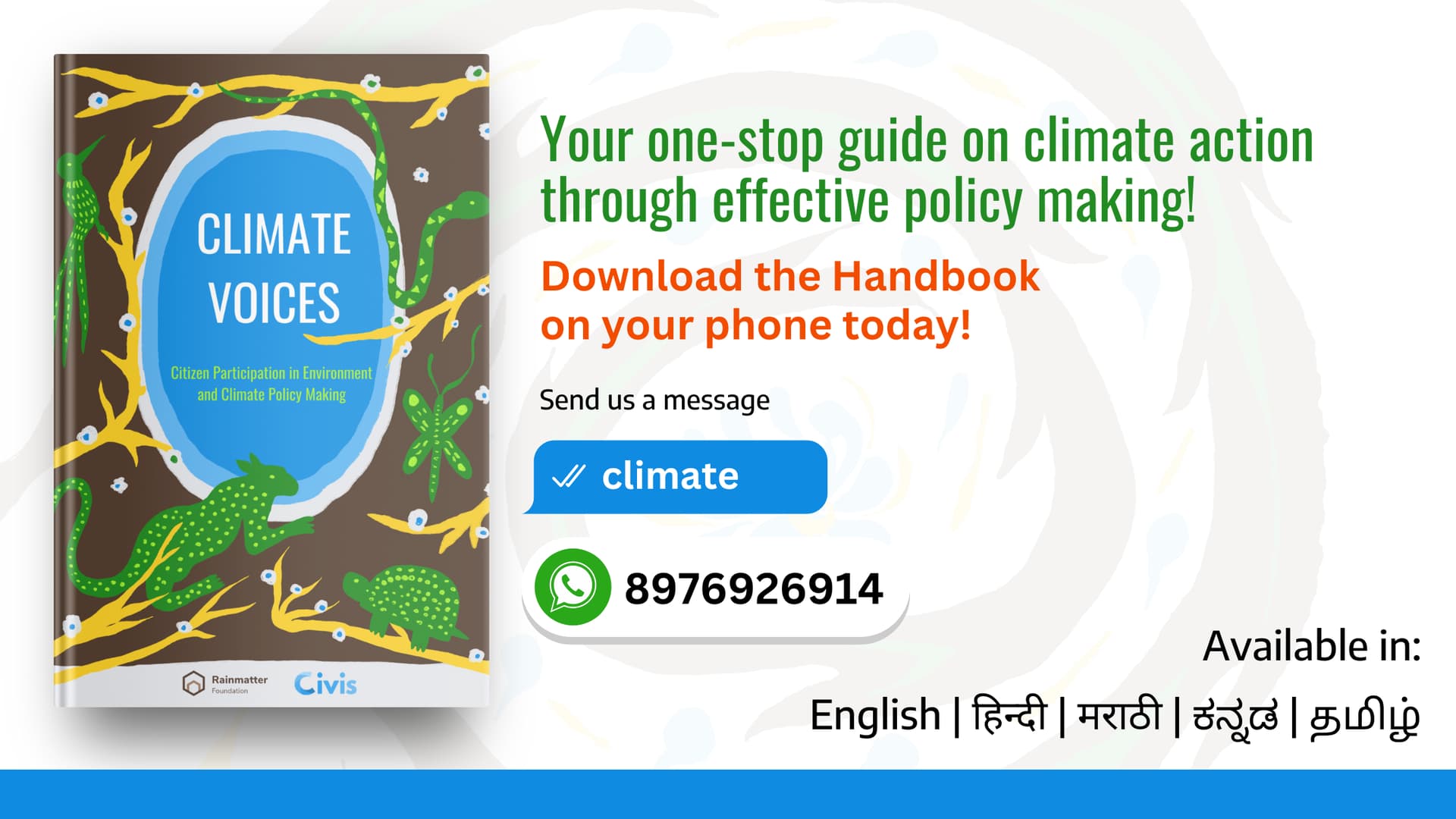
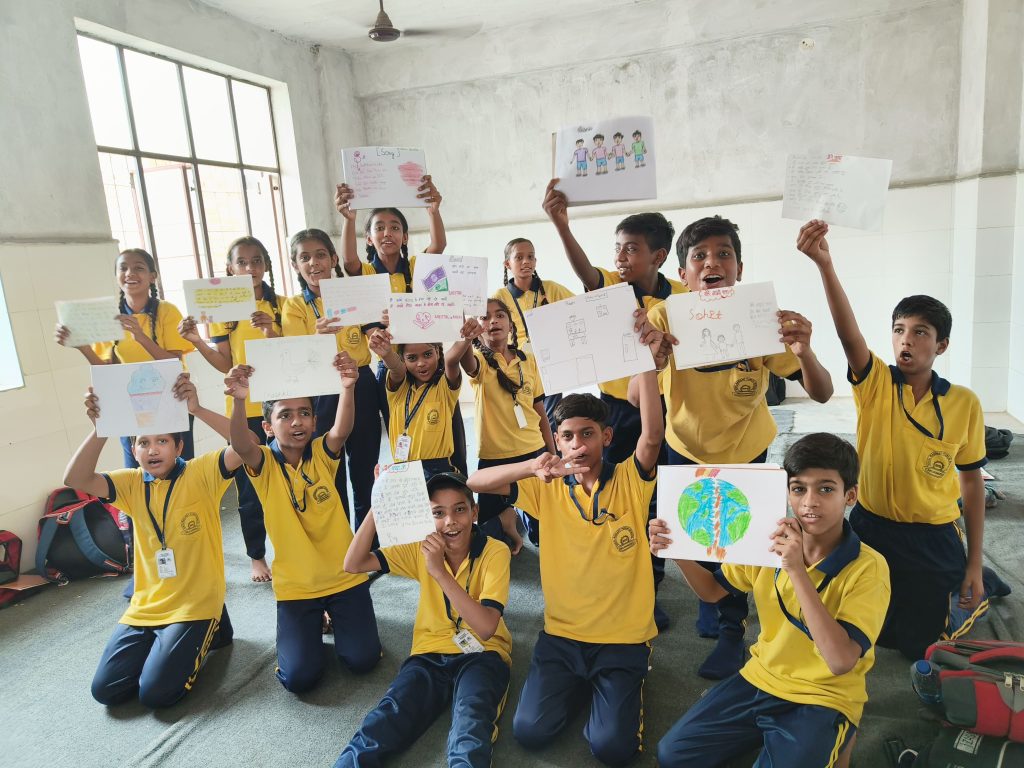
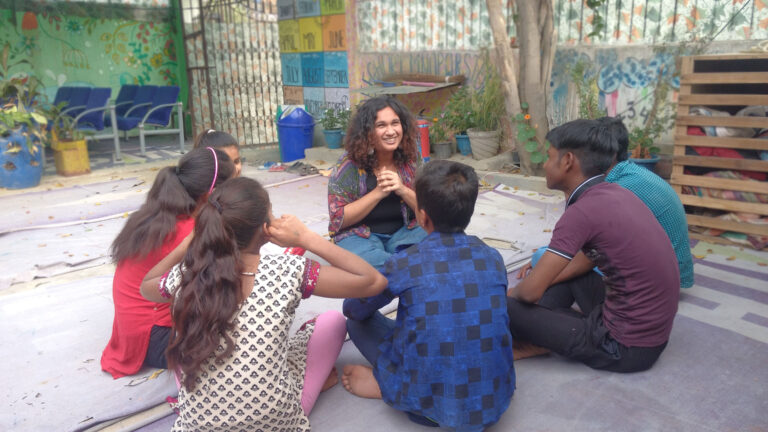

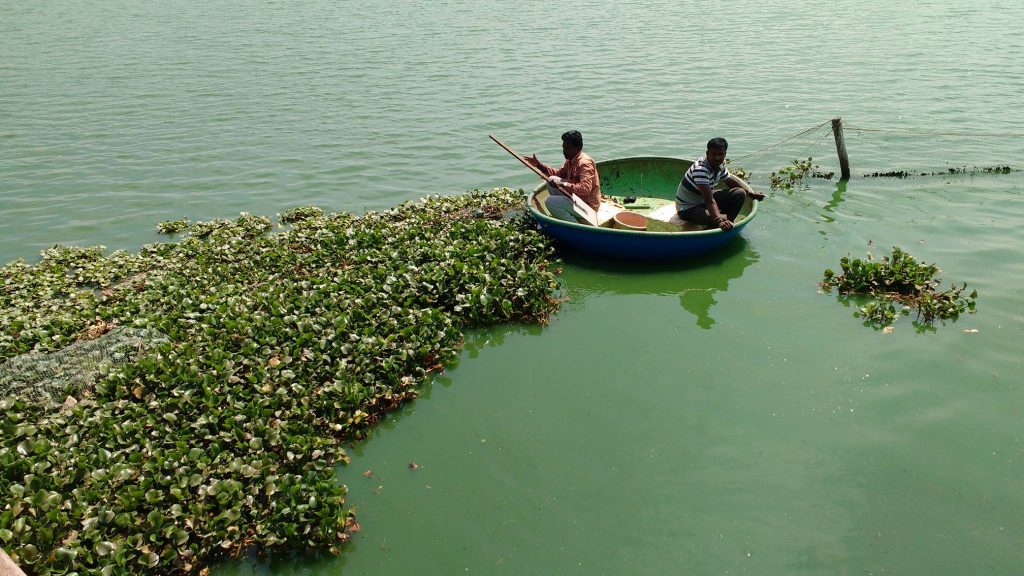
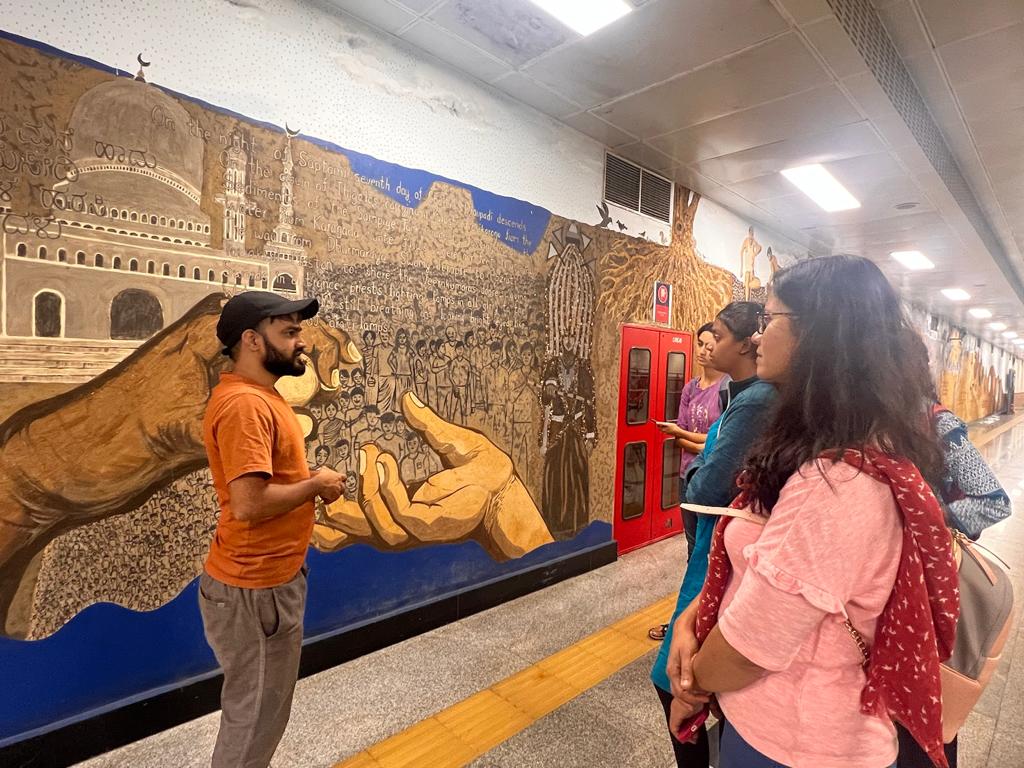
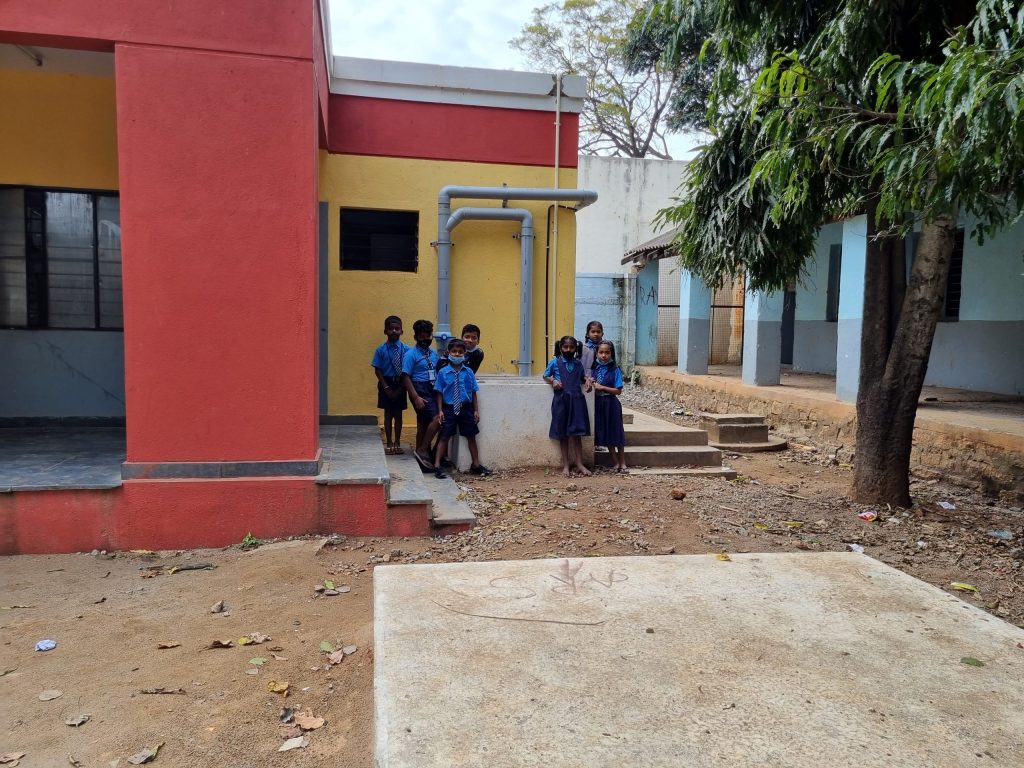
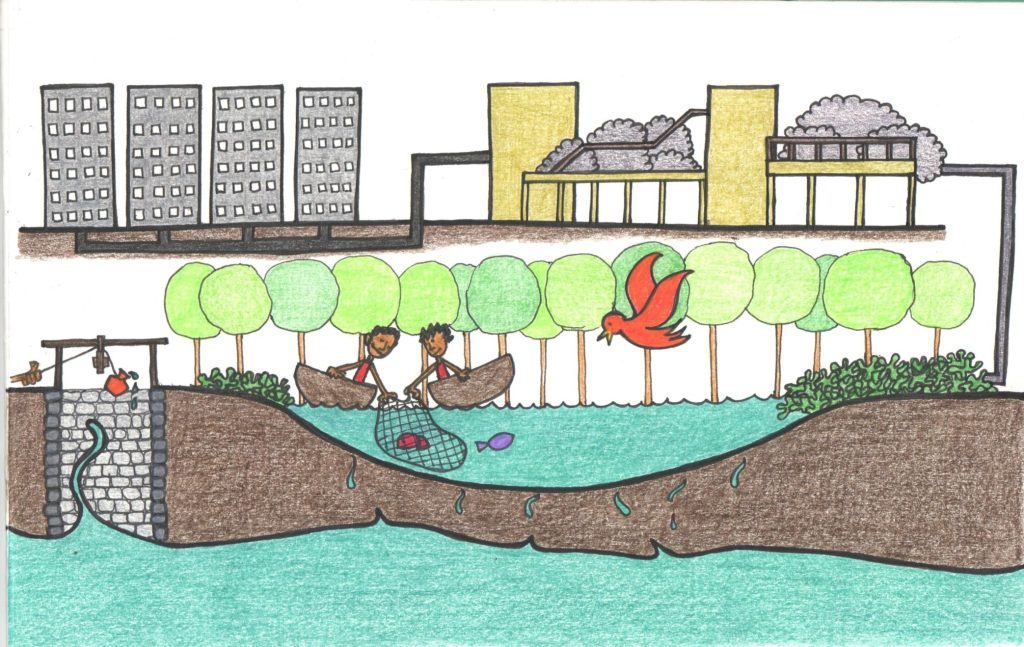
 So we started the discussion at a village in the Bhasia region by asking the residents whether they made the broom (jhadu) or bought it at the market.