No, you did not sign up for this. But do stay for a bit. And then some.
This is our first monthly digest. We hope to encapsulate our activities and learnings from the last month, highlight the work being done by grantees, post announcements, amplify asks from the network and pin environment-related information that has piqued our attention.
This month’s digest is titled Petrichor– the smell of the earth after the first rain– and here’s a bonus 4-minute podcast on the word’s connection to plant ecology.
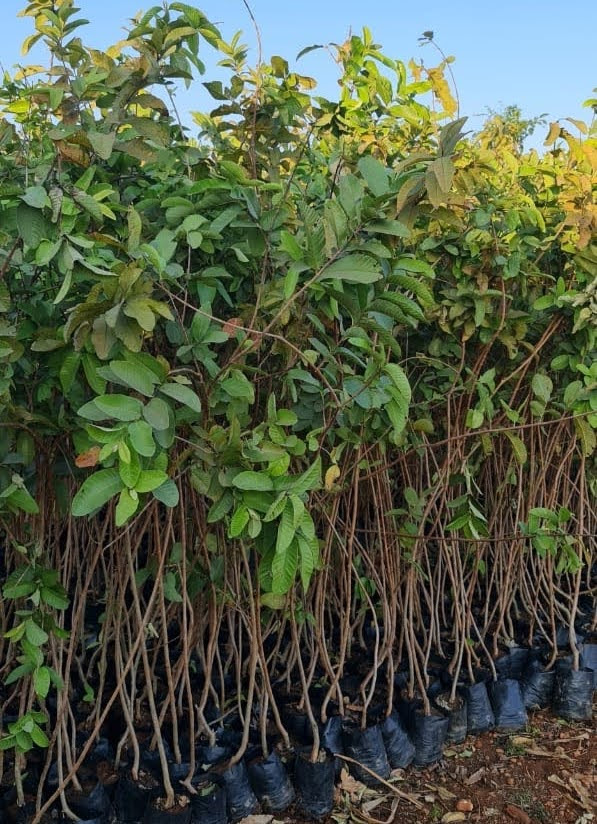
June at Rainmatter Foundation started with a gathering of all the grantees on the occasion of World Environment Day. Soon after, we had commitments and pick-ups from three entities– WePlant, SayTrees and the Bangalore International Airport Limited— for over 5,000 saplings cumulatively from our Bangalore nursery for planting them in public/community spaces. We hope to find more takers for these chigurus (new shoots), so please spread the word in your community.
The nearly 6-ft saplings at the Zerodha/Rainmatter nursery in Harohalli, Bangalore. Photo: Rainmatter
We spent days learning about emerging tools, new methods and models in multiple sectors, including possible livelihood options for communities that voluntarily aid conservation of landscapes, atmospheric removal of carbon and returnable B2B and B2C packaging (paper and flex materials). We also spent time with a few EV companies involved in lifecycle management and renting out EV bikes to businesses.
We were pleased to engage with the Rotary Club of Bangalore for the revival of the Palar river basin. And we struggled to make sense of the consultation paper on the India Digital Ecosystem of Agriculture (IDEA) by the Ministry of Agriculture and Farmers Welfare.
From the community
Farmers for Forests has been busy developing a tree counting algorithm using drone imagery to measure change in tree cover over a short time-period. They are doing this in Raigad and Gadchiroli districts in Maharashtra. On the cards is also a pilot reforestation of a small mangrove patch.
Vidhi Centre for Legal Policy has been working on a project about the legal challenges in regulating exotic species (plants and animals moved from their original range) in India. This follows their review of the Ministry of Environment, Forest and Climate Change’s June 2020 advisory, granting a six-month amnesty period during which individuals in legal or illegal possession of species listed in the CITES (Convention on International Trade in Endangered Species of Wild Flora and Fauna) appendices could make declarations.
Noticeboard
📌 A virus is affecting bee colonies: Mongabay’s explainer on the Thai sacbrood virus (TSBV) states the “disease kills bees when they are larvae, thereby reducing the population of bee colonies”. The virus appears to be affecting apiculture in Karnataka, with Mongabay quoting one professional beekeeper from Shivamogga as saying: “A few years back we discontinued beekeeping due to the outbreak of this virus in south India. The migration of bees from different states could be one reason for this outbreak. Now, we see TSBV active again in the bee colonies of the Western Ghats in Karnataka.”
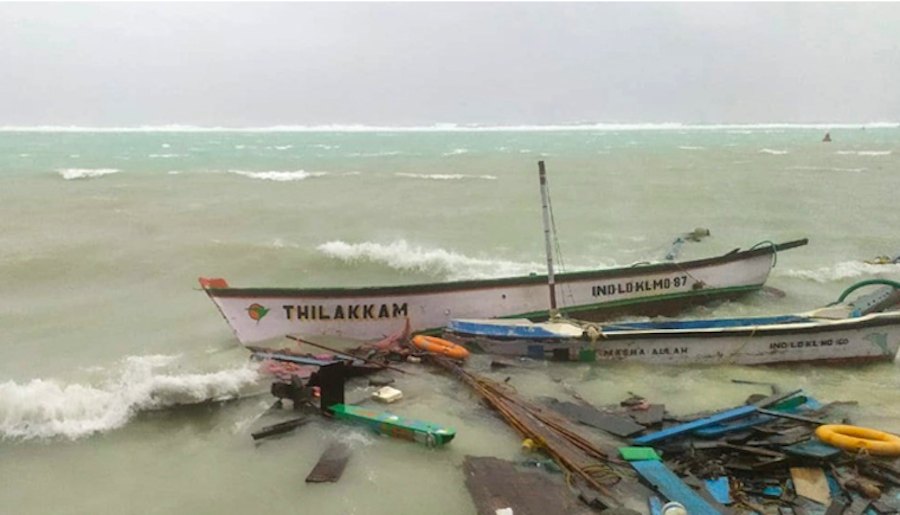
📌 The Nature Conservation Foundation and the Centre for Wildlife Studies are raising funds. Consider backing their Lakshadweep fisher community or the Adopt a PHC initiatives. Bonus karma points for spreading the word.
Cyclone Tauktae upended the livelihoods of Lakshadweep’s fisher community. Photo: NCF
📌 Farmers for Forests is seeking an advisor with experience in forestry and ecology to navigate questions about soil microbial biodiversity, species best suited for local ecology, plantation and post-plantation practices. Mail Krutika: [email protected]
📌 Tech genie, Akshay, is an email away for all kinds of web, software and data assistance for the community. Think of him as an extra hand for your tech team. The genie’s address: [email protected]
And if you know of or have recommendations for services focusing on environment and sustainability in India, please share your suggestions on Grove. #tia
Parting shot
Ever wondered what it feels like to be an octopus? Why are they so intelligent? Do they dream? Do they have consciousness? Read Sy Montgomery’s heart-warming account of an octopus called Athena. The article later became the first chapter of her book, The Soul of an Octopus. #HighlyRecommended
Until next time, may your roads be auspicious.
śubhāste panthānaḥ santu
Team Rainmatter Foundation
Fallow to fertile land, one farm collective at a time
A slow and gradual transformation is unfolding in Yelachatti.
This quiet village on the fringes of Bandipur National Park in the southern Indian state of Karnataka is where a few farmers are turning their parched and denuded farmlands into verdant fields.
Yet, this is not an ‘…and-they-lived-happily-ever-after’ fairytale. This is an account of marginal farmers, pushed to the brink by the vagaries of nature, risking an alternate approach; an approach, which, at first they resisted, then reluctantly agreed to and are now beginning to embrace.
Yelachatti sits in the rain shadow region of the Western Ghats, one of the four biodiversity hotspots in India. Over the last few decades, scant and erratic rainfall has dried up the village’s once-gurgling streams, cracking the earth dry and compacting the land, exposing the subsoil, denuding the landscape and leading to compaction and stone-filled fallow lands.
With the land turning fallow, villagers started to migrate to urban centres for work or depended on livestock, selling their dung, supplying milk to dairies and selling the older animals to butchers.
In 2016, the rains failed, and the state administration declared a drought in the region. The farmers lost a majority of their livestock. For Malvikaa Solanki, a permaculturist in the village, this reality was akin to stumbling upon a missing piece of a jigsaw: “It was the depletion of an ecosystem at play.”
Land is a connected entity. How could her farm be sustainable, Solanki wondered, if her community was not resilient and sustainable.
It was clear to her that “local resilience had to be built into the system”. This led her to conceptualise the 1000 Tree Project under her non-profit SwaYYam. The 1000 Tree Project is envisioned as a collective movement to harness the principles of permaculture and agroecology to regenerate denuded farmlands, enabling food, fodder and livelihood security.
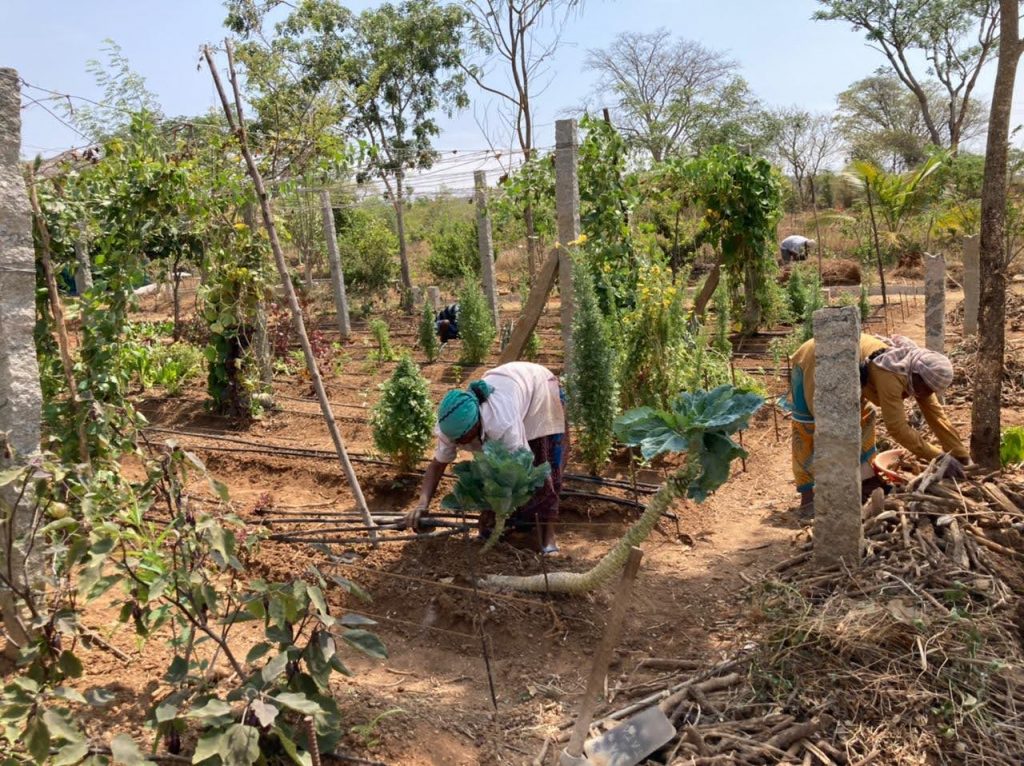
Fruit and timber saplings are planted to buffer from crop loss at the Vasudha collective’s farmland in Yelachatti village, Karnataka. Photo: Divya S
The 1000 Tree Project requires farmers to pool their land and work together as a collective, including bearing 25% of the fencing cost. It also requires them to plant at least 100 trees in an acre, allow for rainwater harvesting structures and follow poly cropping. Most importantly, farmers are required to ditch chemical sprays.
At first, the 1000 Tree Project remained a plan on paper since there were no takers. The farmers in Yelachatti did not want to plant trees as that would reduce the land area available for crop cultivation. They also preferred the more lucrative monoculture plantations and short-term cash crops to long-term tree systems.
It took innumerable informal conversations and dialogues over the course of nearly 18 months for Solanki’s neighbours, all farmers, to warm up to the idea. “There are no models for them to learn or get inspired from. It was difficult for them to imagine this as a better, long-term solution,” she said. “It took a long time to convince them that drought-resistant, revenue-generating fruit, fodder and timber trees would buffer them against failed crops due to erratic rainfall.”
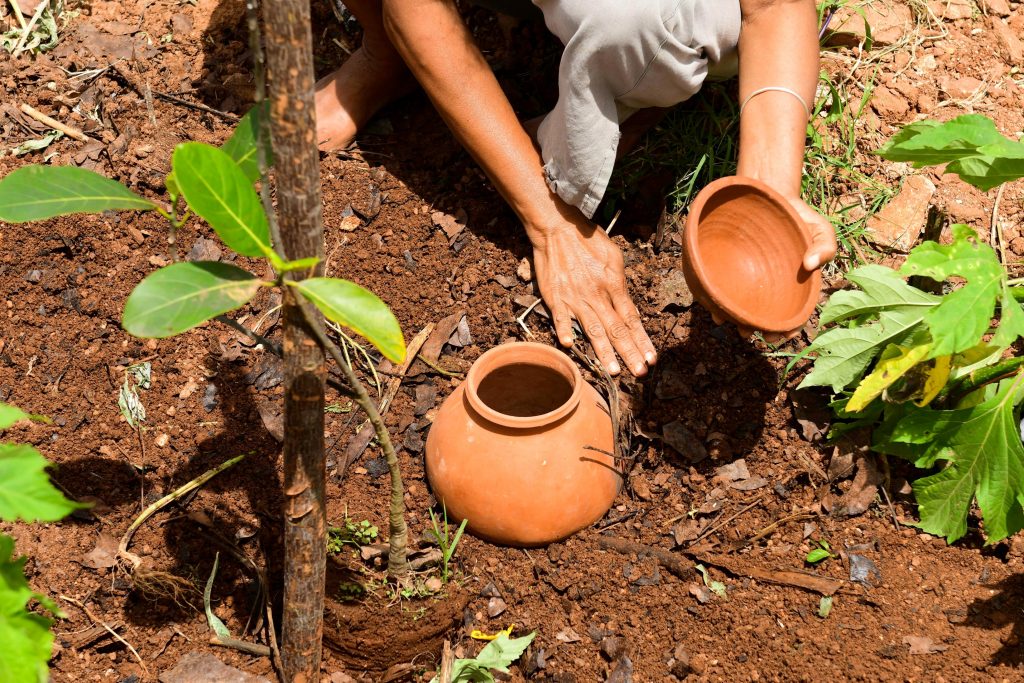
Farmers used pitcher irrigation techniques on the saplings. Pitcher irrigation conserves water and is less expensive than drip irrigation. Photo: Divya S
By the end of 2017, four farmers–Nagappa, Mahadevappa, Sarasamma and Shankar–came together to form the first collective under SwaYYam’s 1000 Tree Project, supported by Rainmatter Foundation, an initiative by Zerodha. Altogether, the Vasudha collective holds 12 contiguous acres in Yelachatti.
Over the next two years, SwaYYam focussed on creating a conducive microclimate with the planting of species that would provide for mulch and shade, while also training the collective on simple techniques on mulching. The collective used manure and jeevamrutha to restore soil health. They undertook earthworks for rainwater harvesting structures and dug swales and tree pits. Saplings were readied and planted before the monsoon. They used crop residue and weeds for mulching and relied on pitcher irrigation and deep pipe irrigation techniques to water the saplings.
In January 2019, the Vasudha collective harvested horse gram, its first rabi crop from land that had been fallow for a decade. The Vasudha collective’s 12 acres are today host to fruit, timber, medicine and fodder trees, including 400+ planted species. This has boosted biodiversity with multiple species of insects, birds, reptiles and mammals homing-in in the area.
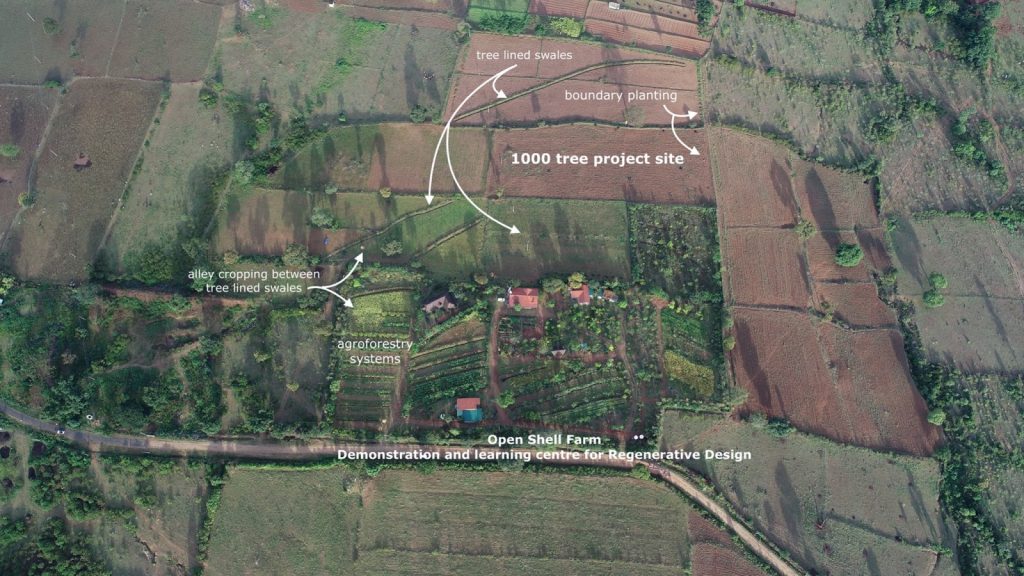
An aerial view of Malvikaa Solanki’s Open Shell Farm and the Vasudha collective’s site in Yelachatti village, Karnataka. Image courtesy Malvikaa Solanki
Today, Solanki’s ‘Open Shell Farm’ is the learning and demonstration model for ‘Regenerative Design’ where the farmers learn from and are trained.
The collective’s small successes have sparked enthusiasm among others in Yelachatti. A second collective, with 12 farmers holding 49 acres of contiguous land, has committed to the 1000 Tree Project. Solanki is heartened. It’s a long road to adopt the principles of permaculture and let nature’s ecosystems flourish, one that requires patience and persistence.
SwaYYam recommends: 1) Use of crop residue for mulching, pitcher irrigation and deep pipe irrigation techniques to water the saplings.
2) Enhancing the value of cow manure through preparations like jeevamrut and ghanajeevamrut thereby reducing the need for volumes. This aids better growth and helps with pest management.
3) Nursery to propagate saplings of nitrogen fixers, forest and fruit trees.
4) Local produce to be bartered and shared in the community; excess to be traded out.
5) Seeds are shared such that users return three times the seeds taken from SwaYYam. This brings in genetic diversity and builds resilience in the seed while also encouraging sharing.
6) The ones who have access to water share water with the ones who don’t.
Lessons: 1) To grow diverse crops in small acreages carries no potential to sell individually. As a collective, it becomes easier. By encouraging buy back/enabling processes to convert small yields into value-added products, they feel encouraged to take on polyculture systems while also ensuring a balanced nutrition in their own diets.
2) Elephant and wild boar break-ins led to modification of fence design. This increased one-time cost but will lead to long-term savings in cost of maintenance and potential crop damage.
3) Setting up local nurseries can drastically reduce sapling cost (including transportation from outside) while also enabling local enterprise among villagers.