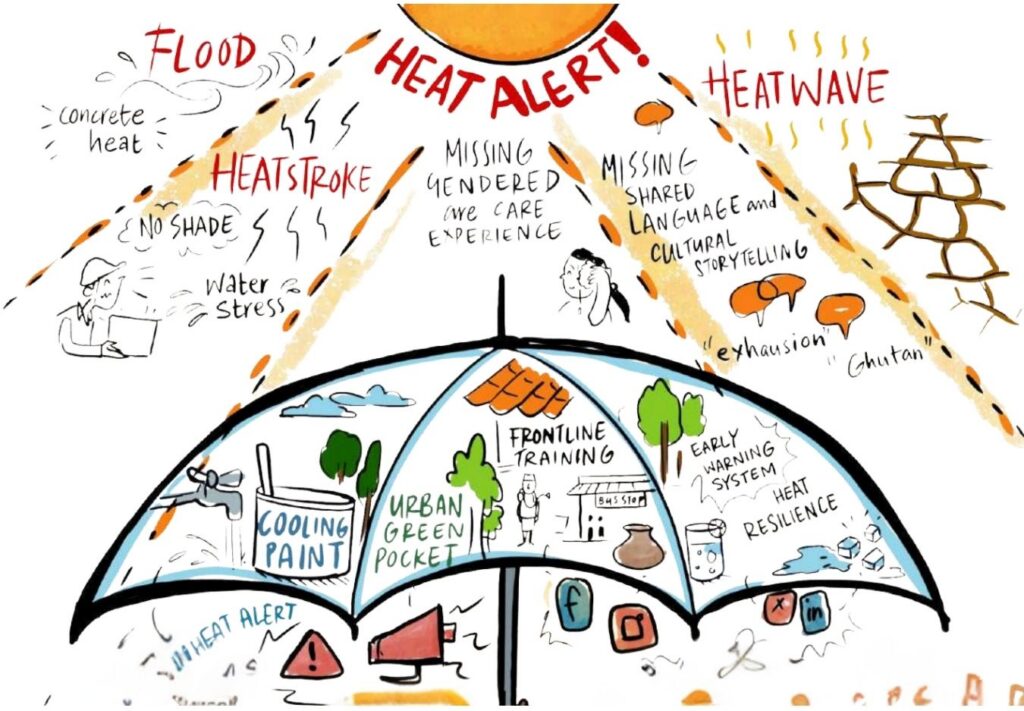
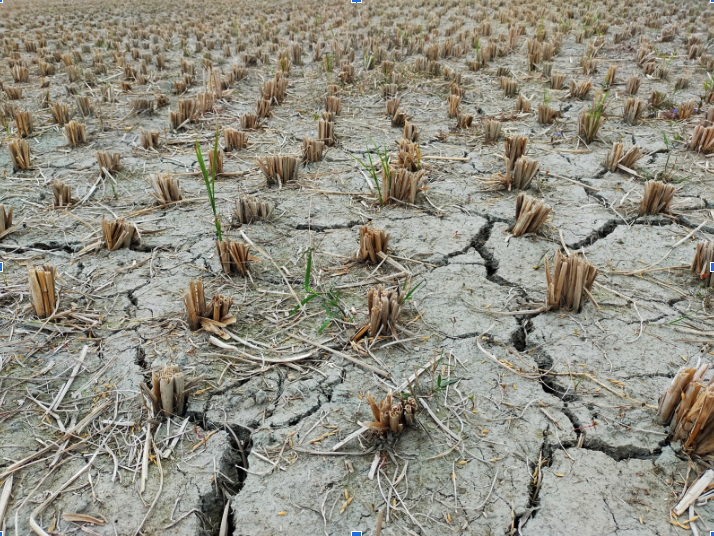
Teevra bisilu (ತೀವ್ರ ಬಿಸಿಲು in Kannada; भीषण गर्मी in Hindi; intense heat): As May brings the peak of summer heat across India, the landscape braces for the arrival of the monsoon. Last month saw significant internal transition and external deepening, as we navigate the challenges of a super El Niño (that threatens to intensify further) […]
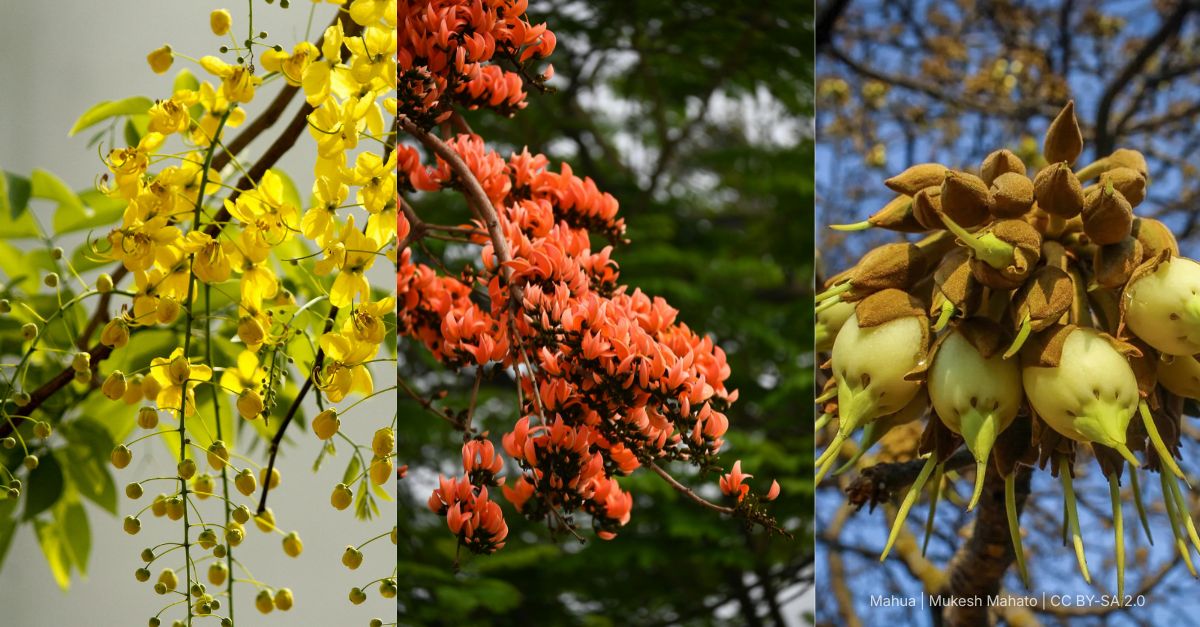
These weeks of April witness the bloom of flowers. Konna (Cassia fistula) hangs like golden chandeliers across Kerala for Vishu, palash sets central India ablaze as the “flame of the forest”, and mahua begins its quiet predawn shower of flowers that tribes gather for food, drink, and income. In our ecosystem of partners, April has […]
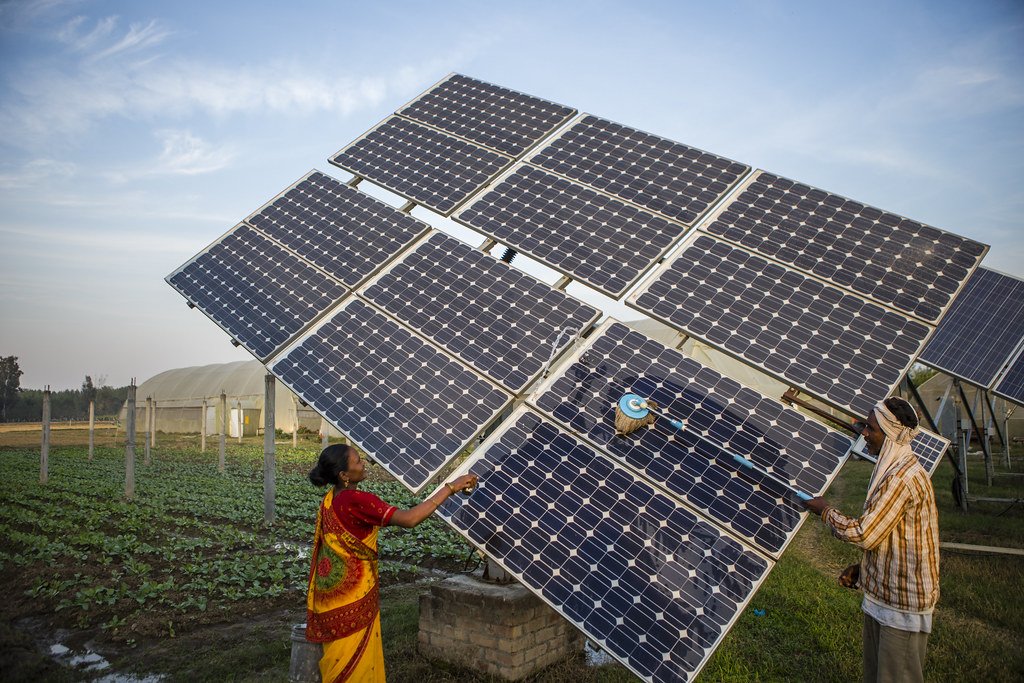
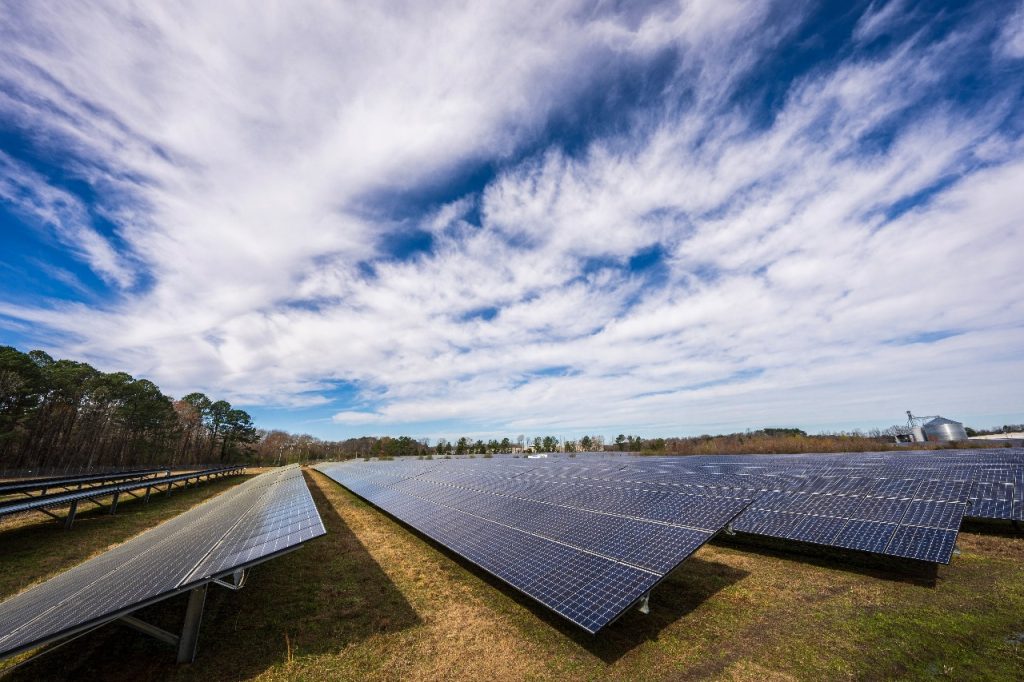
ഊർജ്ജം (Oorjjam, Malayalam; English: Energy) Greetings from the Rainmatter Foundation! India faces a critical energy challenge: Despite our commitment to achieving net zero emissions by 2070, we remain heavily reliant on fossil fuels, which account for 75% of the greenhouse gas emissions. Additionally, India imports nearly 40% of its energy needs, making it vulnerable to […]
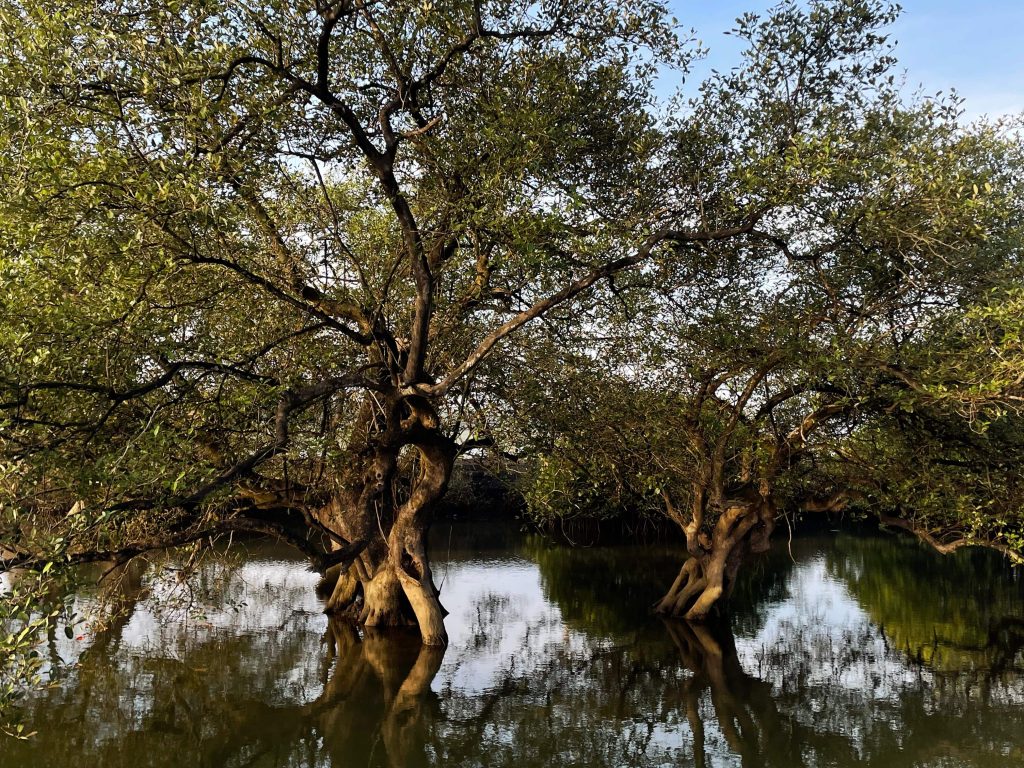
As soon as Nandini suggests meeting at the mangroves, my first thought is to cycle down. The morning I set out though, Goa is 14°; which for Goa, is COLD. I’m pedalling through ear-numbing winds on a foggy morning, but the ride to the mangroves close to Mapusa is surreal nonetheless. The sun is just […]
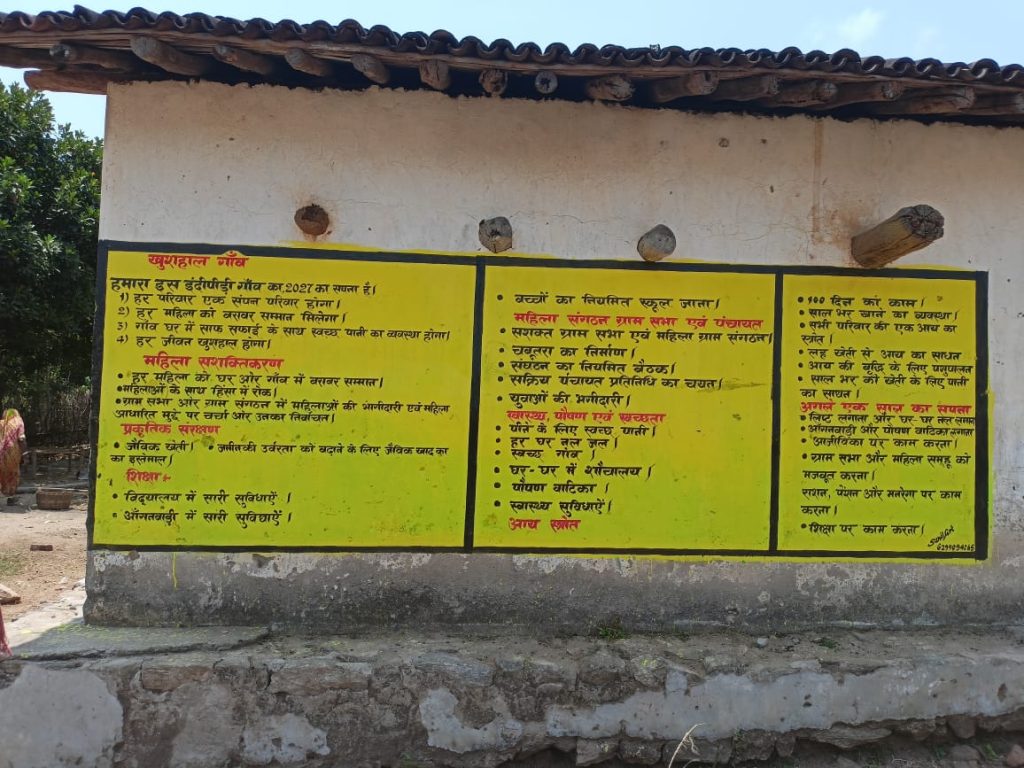
Community knowledge, connection and stewardship of a place go hand-in-hand. Listening and building connection is critical not just for the place but also for a sustainable planet I had never heard of a fasal chakra. Nor a village engineer. Neither about halma, swaraj shala and gram swabhiman diwar. And the most counter-intuitive and rational-defying thing […]
The question of energy has been a particularly knotty one to address in all of the climate puzzles. While a shift is certainly needed from fossil fuels to renewables, optimising resource utilisation is a crucial pillar to reduce strain on available resources. At Rainmatter, we aim to take a systemic and holistic approach to understand […]
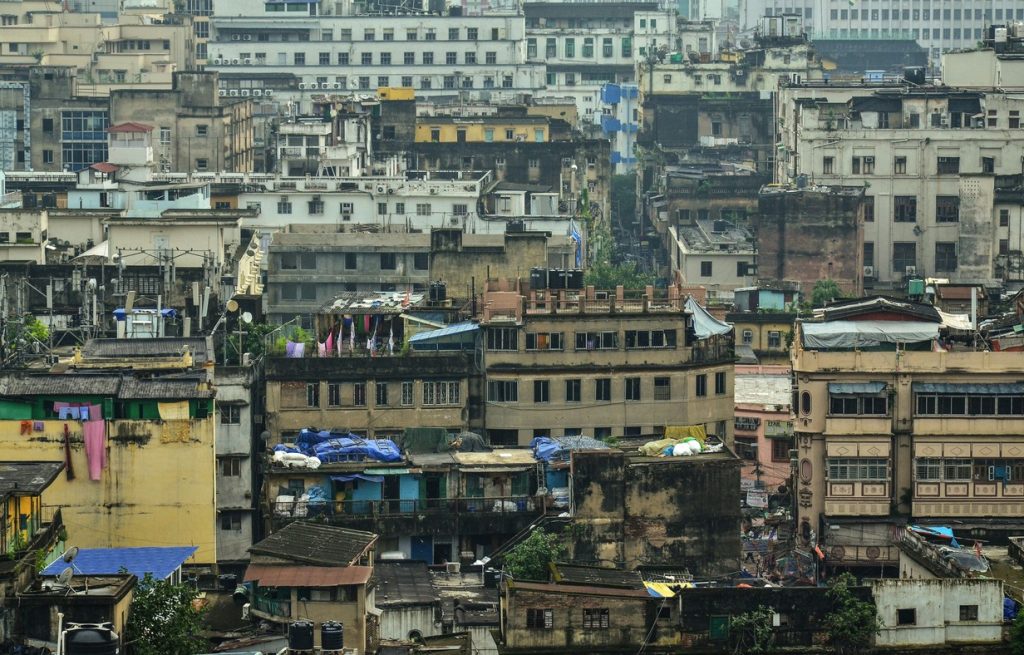
India is home to some of the world’s most populous cities with projected urbanisation figures standing at 43% of its population by the year 2035. The pace of urbanisation has brought along with it, the challenges of sustainability and the need to adapt and cope with the changing climate and the threats posed by it. […]
Fisheries play a vital role in providing food and livelihood security to millions in India, especially through small-scale fisheries. Today, World Fisheries Day, traces its roots to the small-scale fishworker movement and the birth of the World Forum of Fisher Peoples in 1997. At a time when the sector faces a multitude of challenges, including […]
हिमनदी ताल (Himanadī tāla, Nepali; Glacial lake) Greetings! Mountainscapes can be otherworldly – the weather is unpredictable and one never knows what the next bend might lead to: a valley, a stream, a forest or a wall of rocky cliffs. The higher one goes, the more magnificent the mysteries: snowy mountains host glaciers, which give […]
हरित क्रांति (Hindi: Harit Kraanti; Green Revolution) From 10-minute deliveries to social media timelines, food has become a ubiquitous element of our lives. We are able to access food so easily and with so much abundance that most of us fail to realise how much we take it for granted – an average Indian household […]
દુકાળ (Gujarati: Dukāḷa; drought) The month of August has been furiously extreme. Incessant rainfall in the Himalayas had the rivers flowing in spate. Buildings and bridges washed away in water and dozens of landslides morphed local maps. Hydropower dams opened their floodgates, without warning, flooding villages and towns downstream. We have on our hands much […]
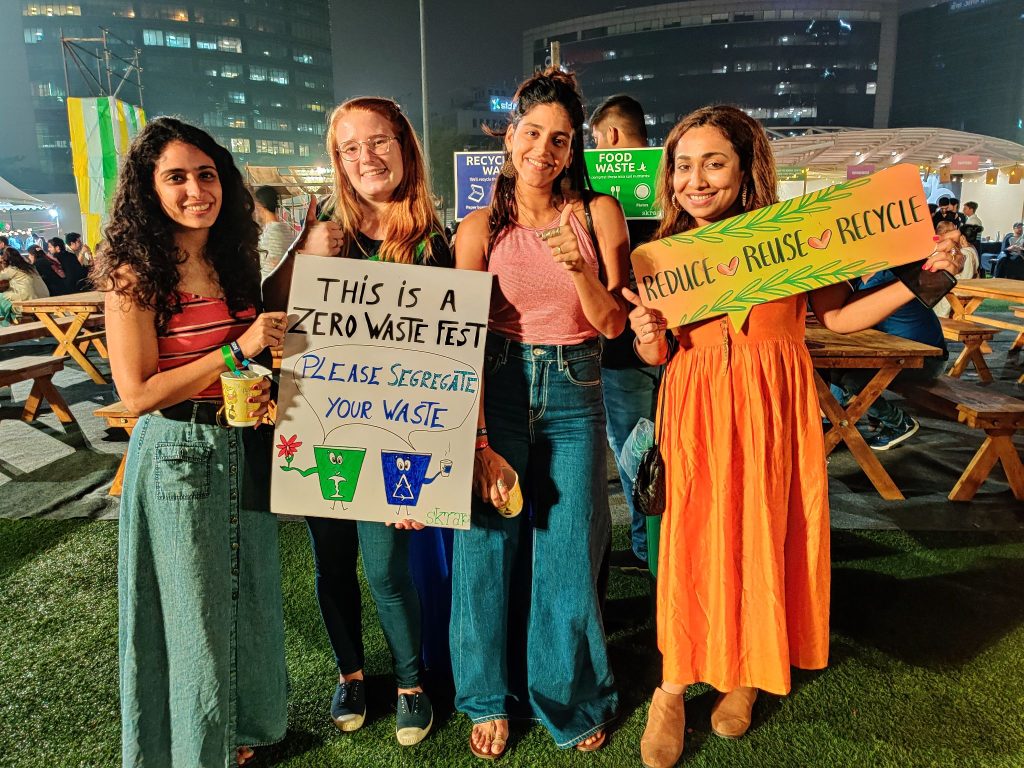
Skrap has grown to become one of India’s leading sustainability firms in the last couple of years – with a number of big events like the NH7 weekender, SBI Green Marathon (Mumbai) and waste management at the IPL in Ahmedabad under their belt. In a chat we had with their team to get insights into […]
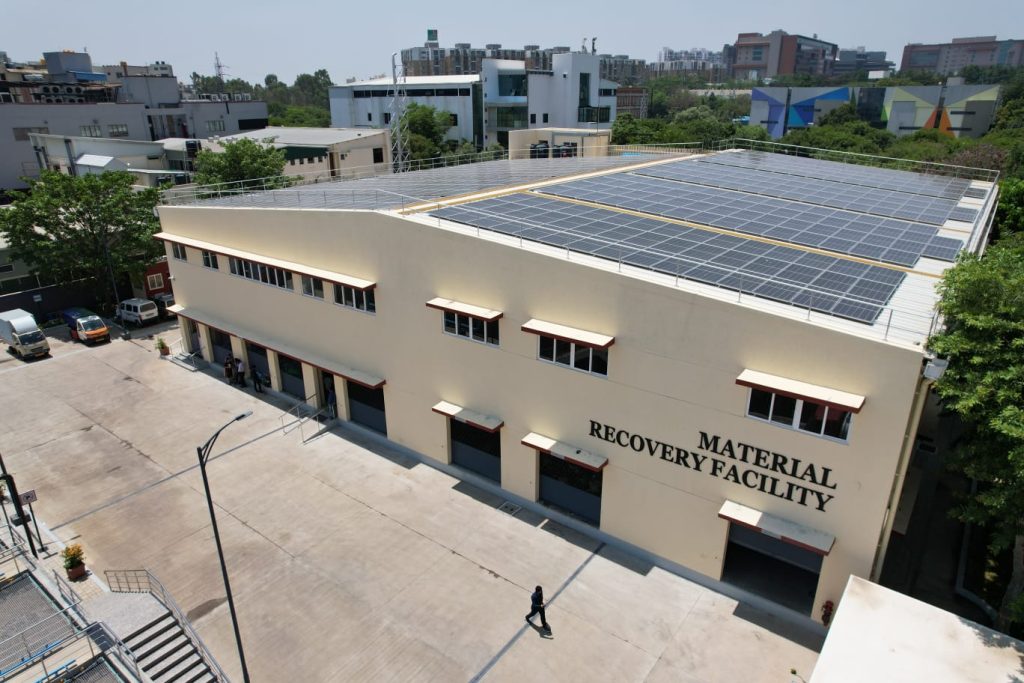
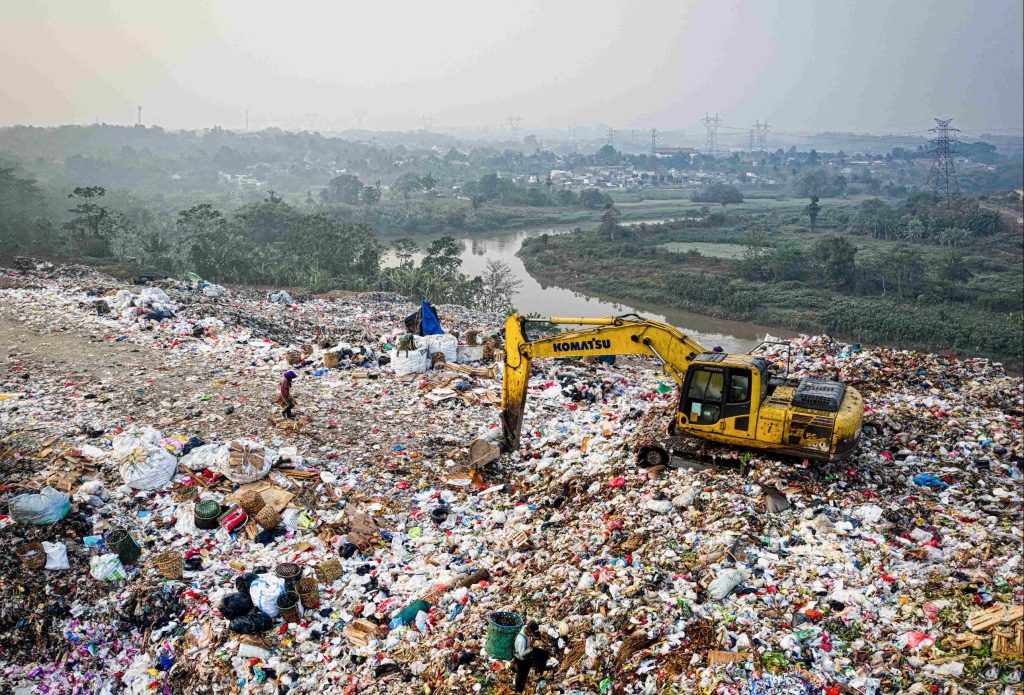
Waste is not easy Waste is not an easy subject to deal with. It’s hardly pleasant either. We know. We agree. Conversations ranging from the lack of infrastructure and the subsequent mismanagement of waste to upcoming innovative circular solutions and everything in between; and of course its impacts and intersections with the larger climate puzzle […]
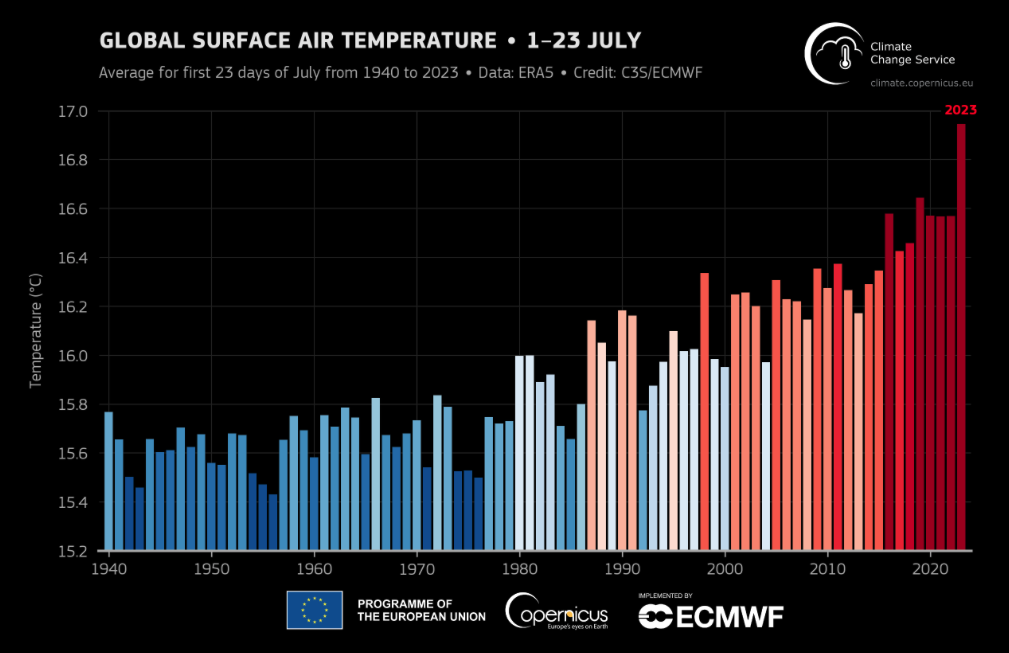
गुंतागुंत (Marathi: Guntā guṇṭī; entanglement) It’s been a while… The jumbled forces that move our world and interconnected systems are beginning to unravel our tangled lives. The summer of 2023 has brought heatwaves, wildfires, floods and landslides. After the hottest June on record, July turned out to be the hottest month in at least 120,000 […]
In June, we initiated the Walking Lightly campaign, with people from all walks of life joining us in rethinking our relationship with our planet and how we could walk on it more mindfully and respectfully. It gave us the opportunity to delve into the stories of so many ordinary people doing extraordinary and valuable work […]
Rainmatter partner Civis recently launched the Climate Voices handbook. The foundation had supported Civis to create, publish and disseminate the handbook, that would be a how-to guide on environmental public consultation. Here is Civis’ story, their endeavour to make the voices of common people heard in environmental regulation through pre-legislative public consultation, and the relevance of […]
Imagine yourself walking in nature on a beautiful morning – the bright golden sun peeking through the mountains, a river dancing to its tune, a meandering road leading to a house surrounded by lush green trees. What does this remind you of? It’s one of the first artworks we learnt to draw as children – […]
His generous smile went with him everywhere. I recall meeting Shashank Srinivasan the first time. I had reached out to him to learn about Technology for Wildlife Foundation’s efforts in an attempt to explore conservation-related opportunities. I had not expected that the founder of a niche organisation would have time to spare but Shashank was […]
I would’ve been about 16 or 17 when I came across Gavin Aung’s comic strip illustrating potentially the most famous excerpt from Carl Sagan’s Pale Blue Dot. To paraphrase, all of our pasts and futures, dreams and losses, wars and loves have taken shape on what is a mere speck in the gigantic scheme of […]
From harvesting to sorting, our crops undergo a lot of change before reaching us as food. A lack of mechanisation at the farm level means much of this work is done manually Farm-to-fork is a marvellous idea. What’s not to like about cultivating one’s own food and having a stable supply of fresh, healthy and […]